Watch Collecting Guide: Mastering the Art of Horology
Watch collecting guide: master horology by defining your philosophy, choosing the holy trinity and independents, spotting vintage value, and protecting every piece.…

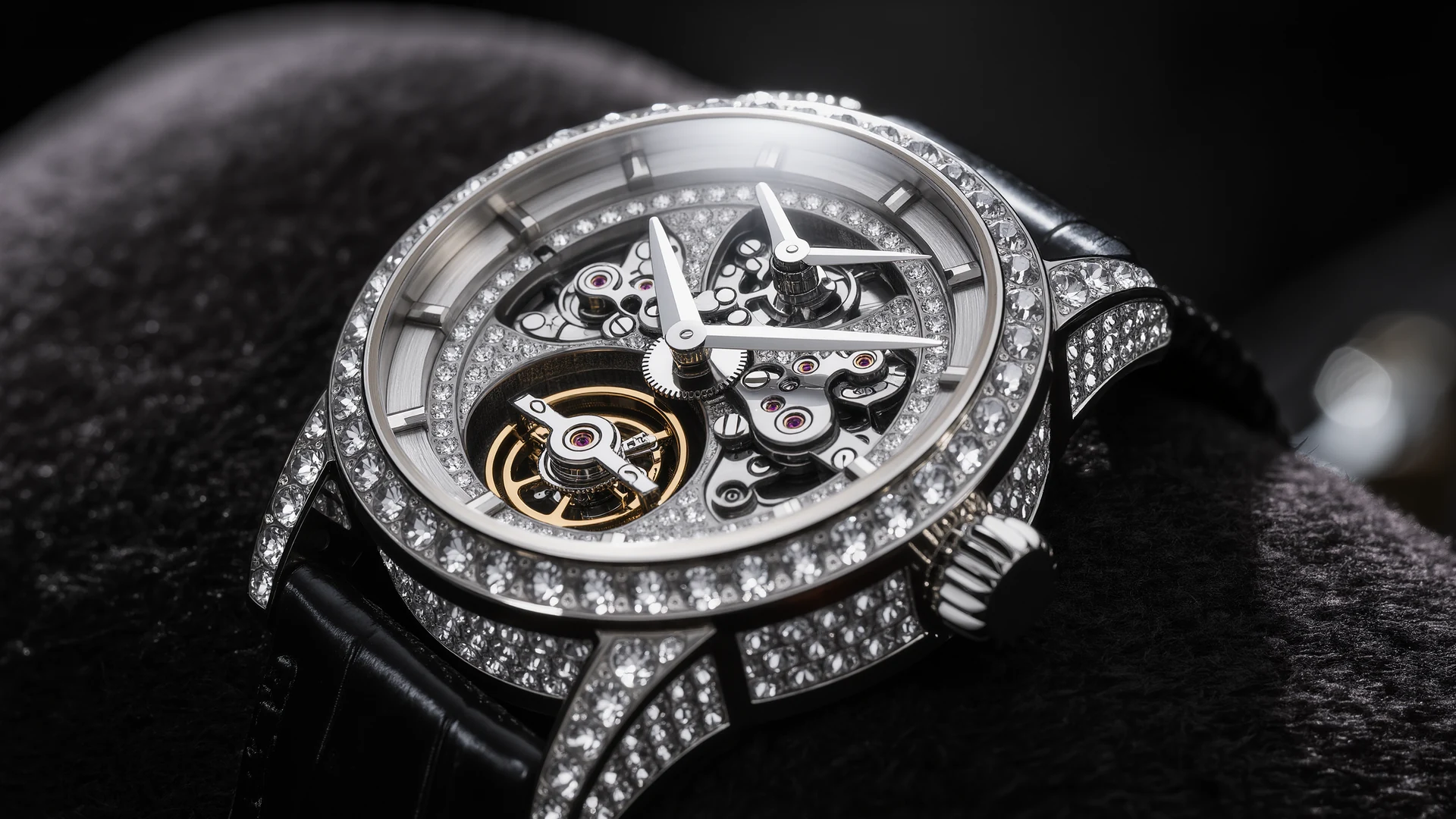

Watch collecting means building an intentional set of mechanical timepieces around a clear personal philosophy, buying what you love to wear rather than chasing hype or pure speculation.
Key Takeaways
- Rolex, Patek Philippe, and Audemars Piguet are widely regarded as the holy trinity of collectible watches, with icons like the Rolex Daytona, Patek Philippe Nautilus, and Audemars Piguet Royal Oak commanding demand that routinely outstrips retail supply.
- Independent watchmakers such as F.P. Journe, Kari Voutilainen, and Rexhep Rexhepi produce extremely limited, hand-finished pieces, offering an intimacy the larger maisons structurally cannot match.
- A strong collection starts from a clear philosophy and a versatile daily wearer like a Rolex Submariner or Omega Seamaster, then expands into roles such as a dress watch, a complication, and a sentimental piece.
- In vintage collecting, condition, originality, and documented service history are everything, and phenomena like the tropical dial, where black ages to warm brown, can make an example far more sought after.
- The guiding vintage principle is to buy the seller before the watch, relying on reputable dealers, auction houses, and documentation to reduce risk from counterfeits and franken-watches.
- Mechanical watches should generally be serviced roughly every three to five years, with water resistance tested annually, while original boxes, papers, and gentle handling preserve long-term value.
- Comprehensive insurance with agreed-value coverage and periodic revaluation is essential, because rising values can leave an ordinary policy short of replacement cost.
🌐 Also available in: Deutsch
Why Watch Collecting Endures
Watch collecting represents the intersection of mechanical artistry, investment strategy, and personal expression. Unlike most luxuries, a fine mechanical timepiece is a self-contained universe of engineering, history, and craft that lives on the wrist and can be passed between generations. The world of haute horlogerie offers endless fascination for those who appreciate precision engineering and timeless design, rewarding patience and study far more than impulse.
At its heart, collecting is the pursuit of objects that hold meaning. Some collectors are drawn to the romance of a hand-finished movement; others to the cultural weight of a particular reference; others still to the discipline of building a coherent, considered set. The most satisfying collections are rarely the most expensive ones. They are the ones assembled with intention, where every piece earns its place and tells part of a larger story about the person who chose it.
Understanding the Modern Market
The luxury watch market has matured into a sophisticated asset class with its own rhythms, vocabulary, and gatekeepers. At the apex sit Rolex, Patek Philippe, and Audemars Piguet, widely regarded as the holy trinity of collectible timepieces. Certain references from these maisons have appreciated meaningfully over time, and models such as the Rolex Daytona, the Patek Philippe Nautilus, and the Audemars Piguet Royal Oak have achieved near-mythical status among collectors, with demand at retail routinely outstripping supply.
It is worth understanding why these particular watches command such attention. The Daytona earned its reputation through motorsport heritage and decades of refinement. The Nautilus and Royal Oak, both born of the luxury steel sports watch movement of the 1970s, redefined what a high-end watch could be by making an everyday material aspirational. Scarcity, consistent design language, and cultural resonance compound over years, and that combination is difficult to manufacture deliberately.
The Rise of Independent Watchmakers
Beyond the established houses, independent watchmakers are experiencing remarkable demand. Brands such as F.P. Journe, Kari Voutilainen, and Rexhep Rexhepi produce watches in extremely limited quantities, making them some of the most coveted timepieces on the market. Their dedication to traditional hand-finishing techniques, much of it executed by a small team or even a single master, ensures each piece is genuinely a work of art rather than a product of scale.
For collectors, independents offer something the larger maisons structurally cannot: intimacy. Owning one of a few dozen pieces made in a given year, perhaps finished by a watchmaker whose name is on the dial, is a different proposition from owning a watch made in far greater numbers. That intimacy carries its own risks too, as access often depends on relationships and waiting lists, but it remains one of the most intellectually rewarding corners of the field.

Defining Your Collecting Philosophy
Before acquiring anything, it helps to articulate what you actually want from collecting. A clear philosophy protects you from chasing hype and spending on watches that do not suit your taste or your life. Consider which of these motivations resonates most, knowing that many collectors blend several over time.
- Aesthetic and craft: collecting for the beauty of dials, cases, and movement finishing, prioritizing how a watch is made and how it looks.
- History and provenance: seeking pieces tied to a moment, a milestone reference, or a documented past.
- Wearability: building a rotation of watches that genuinely earn wrist time across occasions and seasons.
- Mechanical complication: pursuing the technical achievements of horology, from chronographs to perpetual calendars.
- Long-term value: treating watches partly as a store of value, while accepting that markets shift and nothing is guaranteed.
Most importantly, buy what you love to wear and look at. A watch that sits in a safe purely as a speculation rarely delivers the deeper satisfaction that makes collecting worthwhile, and markets are far too unpredictable to justify joyless ownership.
Building a Meaningful Collection
A well-curated watch collection tells a story. The most durable approach is to start with a versatile daily wearer, perhaps a Rolex Submariner or an Omega Seamaster, that can move comfortably from the office to the weekend. From that anchor, you can expand thoughtfully into pieces that reflect your own interests and the way you actually live, rather than simply accumulating names.
Many collectors find it useful to think in terms of roles a collection should fill, so that each acquisition adds something genuinely new rather than duplicating what you already own.
- The everyday workhorse: robust, water-resistant, and unfussy enough to wear without a second thought.
- The dress watch: slim and elegant, designed to slip under a cuff for formal occasions.
- The complication: a chronograph, a world timer, or a perpetual calendar, each representing a different facet of horological achievement.
- The sentimental piece: a watch tied to a personal milestone, which often becomes the heart of a collection regardless of its market value.
Resist the temptation to acquire quickly. The collectors whose taste matures most gracefully tend to buy slowly, live with each watch, and learn what they genuinely respond to before moving on. A collection assembled over years almost always feels more personal than one bought in a season.
The Art of Vintage Collecting
Vintage collecting requires particular expertise and a willingness to do homework. Here, condition and originality become everything. Patina, original parts, and a documented service history can dramatically affect both desirability and value, and small details that a casual buyer would overlook are often the difference between a treasured example and a disappointing one.
One of the more celebrated phenomena is the tropical dial, where a dial originally finished in black ages over decades into rich, warm brown tones. When this aging is even and attractive, it can make a particular example considerably more sought after than a comparable watch with an unchanged dial. Other points of scrutiny include whether the hands, crown, and bezel are period-correct, whether the case retains its original proportions rather than being over-polished, and whether the movement matches the reference.
Trust the Seller First
A guiding principle in the vintage world is to buy the seller before you buy the watch. Reputation, transparency, and a track record of honest descriptions matter enormously, because the same reference can vary wildly in originality and a confident misrepresentation is hard for a newcomer to detect. Established dealers, well-regarded auction houses, and long-standing community references are worth their premiums precisely because they reduce risk.
Whenever possible, gather documentation: original papers, service records, and any provenance that ties the watch to its history. Paperwork rarely guarantees authenticity on its own, but combined with an expert eye and a trustworthy source, it builds the confidence that vintage buying demands.

Authentication and Avoiding Pitfalls
As values have risen, so has the sophistication of counterfeits and so-called franken-watches assembled from mismatched parts. Protecting yourself is largely a matter of patience, education, and the right relationships. A few habits serve collectors well at every level.
- Learn the reference deeply before buying, including correct dial text, case dimensions, and the movement that should be inside.
- Insist on clear, detailed photography of the dial, case back, lugs, and movement where appropriate.
- Be wary of prices that seem too good, as genuine bargains on coveted references are rare and often signal a problem.
- Prefer sellers who welcome inspection by an independent watchmaker before purchase.
- Keep records of your own, retaining invoices, papers, and service history to protect future value and ease resale.
Cultivating a relationship with an authorized dealer or a trusted independent specialist pays dividends over time. Access to sought-after pieces frequently flows through trust and loyalty rather than walk-in availability, and a good advisor will steer you away from mistakes that a single transaction would never reveal.
Care, Servicing, and Protection
A mechanical watch is a living machine, and it rewards proper care with decades, even generations, of reliable service. As a general rule, mechanical watches benefit from regular servicing roughly every three to five years, depending on the movement and how the watch is used, while water resistance should ideally be tested annually if you intend to wear a piece near water.
Day-to-day stewardship matters as much as periodic servicing. Sensible storage and handling preserve both function and value.
- Use a quality watch winder for automatic pieces you wear in rotation, keeping perpetual calendars and similar complications set and running.
- Store watches away from strong magnetic fields, which can disrupt timekeeping, and from extreme temperatures and humidity.
- Keep original boxes, papers, and spare links, as completeness meaningfully supports long-term value.
- Handle vintage pieces gently, avoiding unnecessary polishing that erodes original case lines.
Finally, comprehensive insurance with agreed-value coverage is essential for any serious collection. As values climb, an ordinary policy may fall short of replacement cost, and dedicated valuables coverage with periodic revaluation ensures that a loss does not become a financial as well as an emotional one.
The Lasting Reward of Horology
The joy of watch collecting lies not just in ownership but in the community, the history, and the endless pursuit of knowledge. Conversations with fellow collectors, visits to workshops and exhibitions, and the slow accumulation of expertise are as much a part of the hobby as the watches themselves. Many collectors find that the people they meet and the things they learn outlast any single acquisition.
Each timepiece represents centuries of innovation distilled into a mechanism that fits on the wrist, quietly tracking time as it has for the people who came before and will for those who come after. Approached with curiosity, discipline, and genuine affection for the craft, watch collecting becomes far more than the assembly of objects. It becomes a lifelong dialogue with one of the most enduring expressions of human ingenuity.
Frequently Asked Questions (FAQ)
How should a beginner start a watch collection?
Start a watch collection by first articulating a clear collecting philosophy, then acquiring a versatile daily wearer such as a Rolex Submariner or Omega Seamaster. From that anchor, expand thoughtfully into pieces that reflect your interests and how you actually live. Buy slowly, live with each watch, and prioritize what you genuinely love to wear over names or hype.
What are the holy trinity of watch brands for collectors?
The holy trinity of collectible timepieces is Rolex, Patek Philippe, and Audemars Piguet. Certain references from these maisons have appreciated meaningfully over time, and models such as the Rolex Daytona, Patek Philippe Nautilus, and Audemars Piguet Royal Oak have achieved near-mythical status, with demand at retail routinely outstripping supply due to scarcity and cultural resonance.
Why are independent watchmakers so coveted in collecting?
Independent watchmakers like F.P. Journe, Kari Voutilainen, and Rexhep Rexhepi are coveted because they produce watches in extremely limited quantities using traditional hand-finishing, often by a small team or single master. This makes each piece a genuine work of art and offers collectors an intimacy the larger maisons cannot, though access often depends on relationships and waiting lists.
How do I avoid fakes when buying a vintage watch?
Avoid fakes and franken-watches by buying the seller before the watch, favoring reputable dealers, auction houses, and trusted specialists. Learn the reference deeply, insist on detailed photography of the dial, case back, lugs, and movement, be wary of suspiciously low prices, prefer sellers who welcome independent inspection, and gather original papers and service records.
What is a tropical dial in vintage watch collecting?
A tropical dial is a celebrated vintage phenomenon where a dial originally finished in black ages over decades into rich, warm brown tones. When this aging is even and attractive, it can make a particular example considerably more sought after than a comparable watch with an unchanged dial, since condition and originality drive vintage desirability and value.
How often should a mechanical watch be serviced?
Mechanical watches generally benefit from servicing roughly every three to five years, depending on the movement and how the watch is used. Water resistance should ideally be tested annually if you intend to wear the piece near water. A mechanical watch is a living machine that rewards proper care with decades of reliable service.
Should I buy watches purely as an investment?
No, you should not buy watches purely as speculation. The article advises buying what you love to wear and look at, because a watch sitting in a safe purely as an investment rarely delivers the deeper satisfaction that makes collecting worthwhile. Markets shift and nothing is guaranteed, making joyless, speculation-only ownership hard to justify.
How should I store and protect a watch collection?
Protect a collection with sensible storage and comprehensive insurance. Use a quality watch winder for automatics in rotation, store watches away from strong magnetic fields, extreme temperatures, and humidity, and keep original boxes, papers, and spare links. Handle vintage pieces gently to avoid over-polishing, and secure agreed-value insurance with periodic revaluation as values climb.

More from News
Future of Luxury Fashion: Innovation, Technology, and the Next Frontier
Discover the future of luxury fashion: how AI, blockchain, digital couture, bio-fabricated materials and sustainability are reshaping maisons and the …

Celebrity Style Guide: Decoding the Fashion of the Famous
Decode celebrity style: how stylists, red carpet partnerships, and social media shape fashion, plus archetypes and tips to build a celebrity-inspired …

Luxury Lifestyle Guide: Curating the Art of Living Well
Discover the luxury lifestyle as the art of living well: quiet luxury in travel, wine, home design, wardrobe, watches, and wellness, curated with inte…