Perfume & Fragrance Guide: The Art of Olfactory Excellence
A complete perfume and fragrance guide: master top, heart and base notes, oil concentrations, olfactive families, heritage and niche houses, plus storage and wearing tips.…
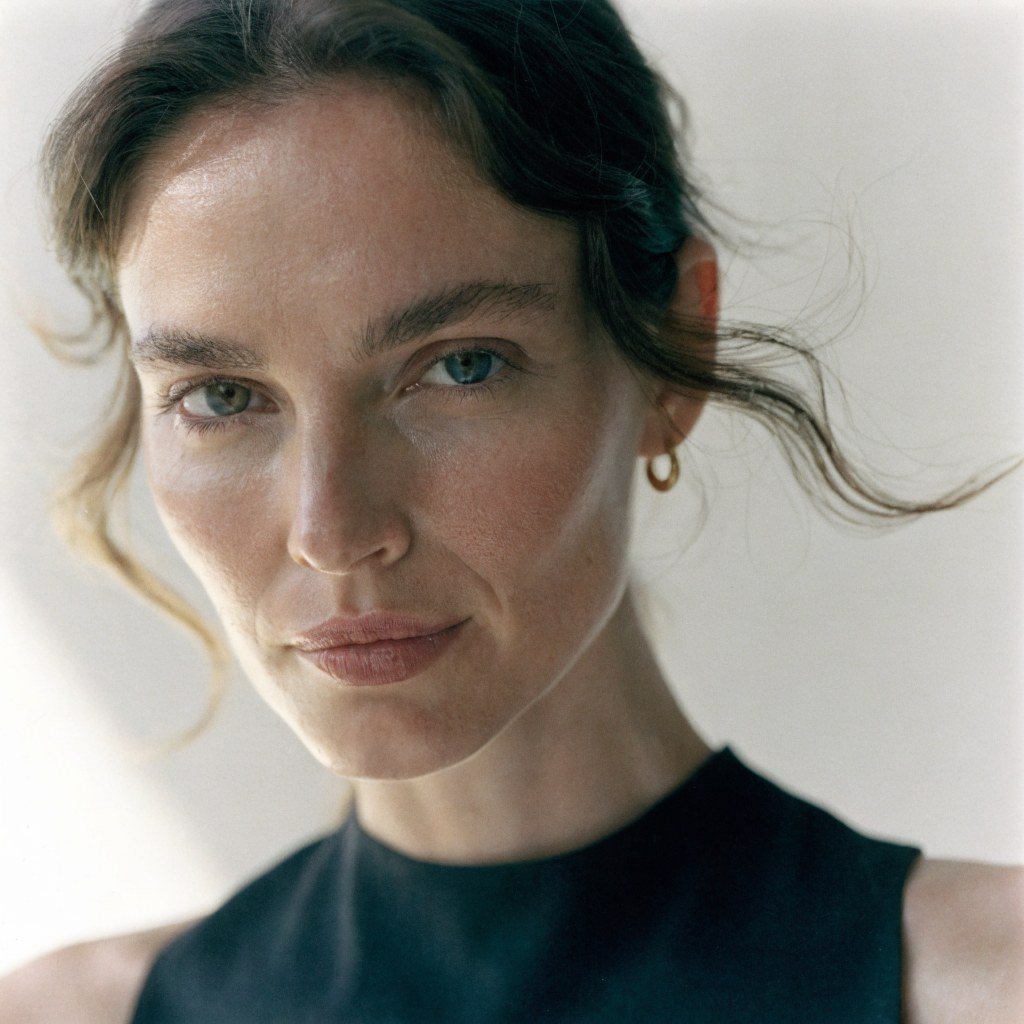


A fine perfume is built as a pyramid of top, heart, and base notes, with concentration, olfactive family, and a skilled dry-down shaping how it evolves and lasts.
Key Takeaways
- Perfume unfolds over time as a pyramid: top notes (citrus, herbs, light florals) evaporate within minutes, heart notes (rose, jasmine, lavender, spices) develop over hours, and base notes (woods, musks, amber, vanilla) linger on skin for a full day.
- Oil concentration sets intensity and longevity: parfum or extrait holds roughly 20-40% aromatic compounds and lasts longest, eau de parfum 15-20% with strong projection, eau de toilette 5-15% for lighter daytime wear, and eau de cologne is lighter still.
- Perfumes are grouped into six olfactive families that describe their dominant personality: Floral, Oriental or amber, Woody, Fresh, Chypre, and Fougère, though many finest creations deliberately blur these boundaries.
- Heritage maisons set the standard: Guerlain, founded in 1828, gave us Shalimar, Mitsouko, and L'Heure Bleue, while Chanel No. 5 (1921) revolutionized the field with its abstract floral-aldehydic composition and remains the most iconic fragrance in the world.
- Niche houses such as Creed, Maison Francis Kurkdjian, Byredo, and Le Labo favor artistic expression, while oud-driven Middle Eastern houses like Amouage and Roja Parfums have reshaped global luxury.
- Choosing a signature requires testing on skin at pulse points, sampling no more than three or four scents per session, weighing season and occasion, and living with a fragrance for a full day before committing.
- Fragrance is a living thing: store bottles cool, dark, and away from the humidity and heat of bathrooms, limit air exposure, and apply to warm pulse points without rubbing to protect the delicate top notes.
🌐 Also available in: Deutsch
The Invisible Accessory: Why Fragrance Is the Most Intimate Luxury
Perfume is the invisible accessory — the most intimate form of luxury and perhaps the most powerful. Unlike a watch, a handbag, or a tailored coat, a fragrance cannot be seen, yet it lingers longer in memory than almost anything we wear. A signature scent can evoke a forgotten summer, transform a mood in an instant, and communicate personality without a single word. To understand this sophisticated world is to enrich both the wearing and the collecting of fine fragrances, turning a daily ritual into an act of genuine connoisseurship.
Fragrance occupies a singular place in the hierarchy of luxury because it engages the most primal of our senses. Scent bypasses the rational mind and connects directly to the regions of the brain associated with memory and emotion. This is why a passing trace of a particular perfume can transport us across decades in a heartbeat, and why the right composition feels less like an adornment and more like an extension of identity. This guide explores the craft behind the bottle: how perfume is built, who builds it, how to choose it, and how to live with it well.
The Architecture of Fragrance
Every fine perfume is constructed in layers known as notes, and appreciating this architecture is the first step toward fluency in the language of scent. A fragrance is not a static smell but a composition that unfolds over time, revealing different facets as it warms on the skin. Perfumers speak of this evolution as a pyramid, with each tier playing a distinct role in the overall impression.
Top, Heart, and Base Notes
- Top notes create the first impression — bright citrus, crisp herbs, and light florals that announce themselves immediately and then evaporate within minutes. They are the opening handshake of a perfume.
- Heart notes, sometimes called the middle, form the fragrance’s true character — rose, jasmine, lavender, and warming spices that emerge as the top notes fade and develop over several hours.
- Base notes provide the lasting foundation — woods, musks, amber, resins, and vanilla that anchor the composition and linger on the skin for an entire day, often becoming the part of a scent we remember most fondly.
The interplay between these tiers is what separates a memorable perfume from a fleeting one. A great fragrance feels coherent from first spray to final whisper, each phase flowing into the next rather than fracturing into disconnected impressions. This sense of progression, known as the dry-down, is one of the surest signs of skilled composition.
Understanding Concentration
The concentration of perfume oils suspended in alcohol determines a fragrance’s intensity, projection, and longevity. Knowing these categories helps you select the right expression for every occasion:
- Parfum (also called extrait de parfum) carries the highest load of aromatic compounds, typically in the range of twenty to forty percent. It is the richest and longest-lasting form, meant to be applied sparingly.
- Eau de parfum generally sits around fifteen to twenty percent, offering excellent longevity with generous projection — the most versatile choice for many wearers.
- Eau de toilette ranges roughly from five to fifteen percent, providing a lighter, fresher expression that suits warm weather and daytime wear.
- Eau de cologne is lighter still, traditionally citrus-forward and invigorating, intended for liberal, refreshing application.
Higher concentration does not automatically mean a better fragrance; it means a different experience. An eau de toilette may be exactly right for a bright morning, while an extrait better suits an evening when you want depth and presence. The sophisticated wearer chooses concentration as deliberately as they choose the scent itself.

The Olfactive Families
Beyond individual notes, perfumes are organized into broad olfactive families that describe their dominant personality. Learning to recognize these families gives you a vocabulary for understanding what you love and why, and it makes navigating a fragrance counter far less daunting.
- Floral — the largest and most beloved family, built around single blooms or lavish bouquets, ranging from delicate to opulent.
- Oriental, or amber — warm, sensual compositions rich in resins, vanilla, spices, and balsams, often associated with evening and the cooler months.
- Woody — grounded and elegant, drawing on sandalwood, cedar, vetiver, and patchouli for structure and sophistication.
- Fresh — encompassing citrus, aromatic, green, and aquatic facets that feel clean, energetic, and uplifting.
- Chypre — a classic, refined accord traditionally pairing bright citrus with mossy, woody depths.
- Fougère — the foundation of much modern masculine perfumery, built on lavender, oakmoss, and coumarin.
These families are not rigid boxes but overlapping territories. Many of the finest creations blur boundaries — a woody floral, a fresh oriental, a green chypre — and it is precisely in these hybrids that perfumers express their individuality.
The Great Perfume Houses
To appreciate perfume fully is to know the houses that shaped its history. The heritage maisons established the standards against which all later work is measured, and their classics remain in production because nothing has surpassed them.
The Heritage Maisons
Guerlain, founded in 1828, represents the very foundation of modern perfumery. Its classics — Shalimar, Mitsouko, and L’Heure Bleue — endure as benchmarks of olfactory artistry, studied by perfumers and cherished by collectors generations after their creation. Chanel No. 5, introduced in 1921, revolutionized the field with its abstract floral-aldehydic composition; it stepped away from straightforward representations of a single flower toward something more complex and modern, and it remains perhaps the most iconic fragrance in the world. Houses such as Dior, with its storied florals, and the long tradition of French and Italian perfumery more broadly, continue to draw on this heritage while pushing it forward.
The Rise of Niche Perfumery
In recent decades, niche perfumery has flourished as a counterpoint to mass-market scent. These houses prize artistic expression over broad commercial appeal, often working with unusual materials, higher concentrations of natural ingredients, and a willingness to challenge the wearer. Names such as Creed, Maison Francis Kurkdjian, Byredo, and Le Labo have become bywords for distinctive, considered composition, each cultivating a recognizable aesthetic of its own.
The growing influence of Middle Eastern perfumery has also reshaped global luxury. Oud — the precious, resinous wood prized across the Arab world for centuries — now anchors many of the most coveted contemporary fragrances. Houses like Amouage and Roja Parfums have brought this opulent tradition to an international audience, marrying the richness of oud, rose, and incense with European structure to create scents of remarkable depth.
Finding Your Signature
Choosing a fragrance is a personal pilgrimage, and there is no shortcut that substitutes for experience on your own skin. A perfume that dazzles on a paper blotter may behave entirely differently once it meets your body chemistry, warmth, and the subtle oils of your skin. Patience and attention are the only reliable guides.
How to Test a Fragrance
- Test on skin, not only paper. Apply to a pulse point and allow the fragrance to develop for several hours before judging it. The opening is only the prologue.
- Limit your sampling. The nose tires quickly. Trying more than three or four scents in a single session muddies your judgment; smelling coffee beans does little to truly reset it, so trust restraint instead.
- Consider the season and occasion. Light, fresh compositions flatter warm days and professional settings, while richer, warmer scents come into their own in cool weather and evening hours.
- Live with it before committing. Wear a sample for a full day, or several, to learn how a fragrance evolves and how it makes you feel. A signature scent should still please you on the tenth wearing.
A signature need not be a single bottle. Many devotees build a fragrance wardrobe — a curated collection chosen for different seasons, settings, and moods. The aim is not to own everything but to assemble a personal palette you can reach for with confidence.

Collecting and Caring for Fine Fragrance
Fragrance is a living thing, and its delicate aromatic compounds are vulnerable to the elements. Proper care preserves both the scent and the value of a collection, while careless storage can dull a beautiful perfume in a matter of seasons.
- Keep bottles cool and dark. Heat, light, and dramatic temperature swings degrade fragrance over time. A drawer, cabinet, or box is far kinder than a sunlit bathroom shelf or windowsill.
- Limit exposure to air. Once opened, a perfume slowly oxidizes. Keeping caps secure and bottles upright helps maintain integrity.
- Store in stable conditions. Bathrooms, despite tradition, are often the worst place to keep perfume because of humidity and heat from bathing.
For those who collect seriously, original boxes offer additional protection from light, and vintage bottles in particular benefit from gentle, consistent conditions. Treated well, a fine fragrance can remain glorious for many years.
The Art of Wearing Perfume
Owning a beautiful fragrance is only half the pleasure; wearing it well is its own quiet discipline. Application is less about quantity than placement and intention. The goal is an aura that those near you can enjoy, not a cloud that announces your arrival before you do.
- Apply to pulse points. The wrists, the base of the throat, behind the ears, and the inner elbows radiate warmth that helps a fragrance diffuse and bloom throughout the day.
- Resist rubbing. Crushing the wrists together can bruise the delicate top notes; let the perfume settle naturally instead.
- Layer with intention. Pairing a scented body cream or oil beneath your perfume extends its life and adds dimension, while combining complementary fragrances lets you craft something uniquely your own.
- Mind the moment. Apply to clean, lightly moisturized skin, ideally just after bathing, when the skin best holds and slowly releases the scent.
Restraint is the hallmark of elegance. A perfume worn with subtlety invites others closer; one applied with a heavy hand keeps them at a distance. The most refined wearers understand that fragrance should be discovered, not imposed.
Conclusion: Memory in a Bottle
Perfume endures as a luxury because it speaks to something deeper than appearance. It marks our days, accompanies our celebrations, and quietly records the chapters of our lives. To learn its architecture, to know its houses, and to wear it with care is to participate in one of the oldest and most human of arts — the deliberate cultivation of beauty for its own sake.
In the end, perfume is memory in a bottle. The right fragrance does not merely smell beautiful; it becomes part of who you are, an invisible signature that others carry with them long after you have left the room.
Frequently Asked Questions (FAQ)
What are top, heart, and base notes in a perfume?
They are the three layers of a fragrance pyramid that unfold over time. Top notes such as citrus, herbs, and light florals create the first impression but evaporate within minutes. Heart notes like rose, jasmine, lavender, and spices form the true character over several hours. Base notes of woods, musks, amber, and vanilla linger on the skin for an entire day.
What is the difference between parfum, eau de parfum, and eau de toilette?
The difference is the concentration of perfume oils in alcohol, which sets intensity and longevity. Parfum, also called extrait, holds roughly 20-40% and lasts longest. Eau de parfum sits around 15-20% with excellent longevity and generous projection. Eau de toilette ranges from 5-15% for a lighter, fresher expression suited to daytime and warm weather.
What are the main olfactive families of fragrance?
There are six broad olfactive families that describe a perfume's dominant personality. They are Floral, the largest and most beloved; Oriental or amber, warm with resins and vanilla; Woody, grounded in sandalwood and cedar; Fresh, with citrus and aquatic facets; Chypre, pairing citrus with mossy depths; and Fougère, built on lavender, oakmoss, and coumarin. The finest creations often blur these boundaries.
What makes Guerlain and Chanel No. 5 important in perfume history?
Guerlain and Chanel anchor the heritage of modern perfumery. Guerlain, founded in 1828, created enduring classics such as Shalimar, Mitsouko, and L'Heure Bleue. Chanel No. 5, introduced in 1921, revolutionized the field with its abstract floral-aldehydic composition, stepping away from a single flower toward something more modern, and remains the most iconic fragrance in the world.
What is niche perfumery and which houses define it?
Niche perfumery is a counterpoint to mass-market scent that prizes artistic expression over broad commercial appeal. These houses often use unusual materials, higher concentrations of natural ingredients, and a willingness to challenge the wearer. Names such as Creed, Maison Francis Kurkdjian, Byredo, and Le Labo have become bywords for distinctive, considered composition, each cultivating a recognizable aesthetic.
How should I test a fragrance before buying it?
Test a fragrance on your own skin, not only on paper, because body chemistry changes how it behaves. Apply to a pulse point and let it develop for several hours before judging, since the opening is only the prologue. Sample no more than three or four scents per session, as the nose tires quickly, weigh the season and occasion, and live with a sample for a full day before committing.
What is the best way to store fine fragrance?
Keep perfume cool and dark, because heat, light, and temperature swings degrade it over time. A drawer, cabinet, or original box is far kinder than a sunlit shelf, and bathrooms are often the worst place because of humidity and heat from bathing. Limit air exposure by keeping caps secure and bottles upright to slow oxidation and preserve the scent.
How do you apply perfume properly?
Apply perfume to warm pulse points such as the wrists, base of the throat, behind the ears, and inner elbows, which help it diffuse and bloom through the day. Resist rubbing the wrists together, as that bruises the delicate top notes. Apply to clean, lightly moisturized skin, ideally after bathing, and layer with a scented cream to extend its life. Restraint is the hallmark of elegance.

More from News
Future of Luxury Fashion: Innovation, Technology, and the Next Frontier
Discover the future of luxury fashion: how AI, blockchain, digital couture, bio-fabricated materials and sustainability are reshaping maisons and the …

Celebrity Style Guide: Decoding the Fashion of the Famous
Decode celebrity style: how stylists, red carpet partnerships, and social media shape fashion, plus archetypes and tips to build a celebrity-inspired …

Luxury Lifestyle Guide: Curating the Art of Living Well
Discover the luxury lifestyle as the art of living well: quiet luxury in travel, wine, home design, wardrobe, watches, and wellness, curated with inte…