Luxury Lifestyle Guide: Curating the Art of Living Well
Discover the luxury lifestyle as the art of living well: quiet luxury in travel, wine, home design, wardrobe, watches, and wellness, curated with intention.…
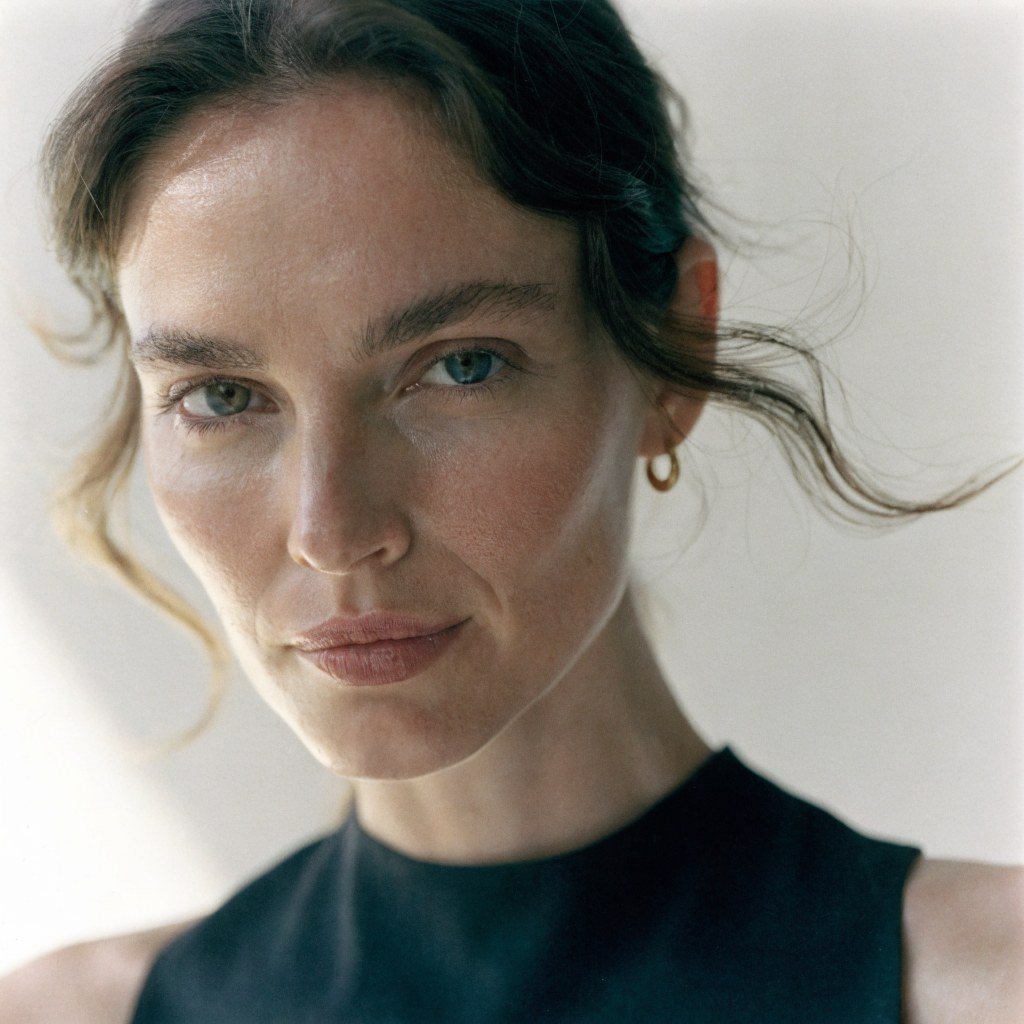


A luxury lifestyle is the disciplined, intentional art of living well, prizing quality, craftsmanship, and meaningful experiences over visible status or mere acquisition.
Key Takeaways
- Modern luxury has shifted from conspicuous logos to "quiet luxury," valuing discretion, longevity, and meaning over visible display and novelty.
- Luxury travel now favors authentic immersion and private access, with houses like Aman, Belmond, and Six Senses prizing slowness, local expertise, and footprint awareness over amenities.
- A serious wine cellar rests on proper storage, documented provenance, balance between drink-now and lay-down bottles, and restraint over chasing trophy labels.
- The luxury home is a sanctuary of bespoke craftsmanship, shaped by Italian houses like B&B Italia and by Scandinavian, Japanese, and wabi-sabi aesthetics that value imperfection and negative space.
- A luxury wardrobe is built around a tightly edited capsule of natural-fiber pieces chosen for fabric, fit, and care rather than logos or trends.
- Fine mechanical watches from maisons such as Patek Philippe, Audemars Piguet, Vacheron Constantin, and Rolex embody tangible heritage, made to be worn for a lifetime and passed on.
- The ultimate luxury is health, time, and peace of mind, with wellness, sleep, movement, and protected attention treated as the foundation of living well.
🌐 Also available in: Deutsch
What Luxury Really Means in the Modern Era
The luxury lifestyle extends far beyond fashion and accessories — it encompasses how we travel, dine, entertain, and design our personal spaces. True luxury is about the quality of experiences, the depth of knowledge, and the art of savoring life’s finest pleasures. It is a sensibility rather than a price tag, expressed in the way a person curates their hours as carefully as their wardrobe.
For much of the twentieth century, luxury was defined by visibility: the recognizable monogram, the conspicuous logo, the unmistakable badge of arrival. Today, the conversation has moved inward. The most refined practitioners of the good life prize discretion over display, longevity over novelty, and meaning over mere acquisition. The shift is often described as the rise of “quiet luxury,” but it is really a return to first principles — the idea that genuine quality speaks softly and lasts.
Living well, in this sense, is a discipline. It asks you to understand provenance, to recognize craftsmanship, and to make choices with intention. The chapters that follow map the territory of a considered luxury life — travel, gastronomy, the home, the wardrobe, wellness, timepieces, and the philosophy that binds them together.
The Art of Luxury Travel
Modern luxury travel has evolved from ostentatious display to authentic immersion. The most discerning travelers seek transformative experiences — private access to cultural treasures, encounters with master artisans, and journeys that expand understanding. Houses such as Aman, Belmond, and Six Senses have redefined hospitality by creating properties that honor their locations while delivering flawless, almost invisible service. The destination and the architecture become inseparable, and the guest leaves with something more durable than a memory of comfort.
Private aviation has become more accessible through fractional ownership and jet card programs, while expedition yachts offer access to remote coastlines unreachable by commercial vessels. Increasingly, the true luxury is not the hardware but the freedom it buys: the ability to set your own rhythm, to arrive where others cannot, and to move through the world on your own terms.
Designing a Journey With Purpose
The discerning traveler values privacy, personalization, and purpose. Voluntourism and conservation-focused expeditions represent a meaningful frontier of high-end travel, pairing access with responsibility. A few principles distinguish a curated journey from a merely expensive one:
- Access over amenities. A private after-hours tour of a museum or a meeting with a vineyard’s winemaker is worth more than another marble bathroom.
- Slowness as a feature. Fewer destinations, longer stays, and time to actually absorb a place rather than collect it.
- Local expertise. A knowledgeable fixer or guide unlocks doors that no booking platform can.
- Footprint awareness. Conservation-minded lodges and carbon-conscious itineraries increasingly define the upper tier of travel.
Culinary Excellence and the Cellar
The luxury culinary world has never been more dynamic. Michelin-starred restaurants continue to push creative boundaries, but the most exciting developments are happening at the intersection of gastronomy, hospitality, and storytelling. Multi-sensory dining experiences, chef’s-table concepts, and immersive food journeys have elevated dining from sustenance to something closer to performance art — a meal that engages memory, place, and emotion as much as the palate.
Yet the deepest pleasures of the table are often the simplest: impeccable ingredients, a cook who respects them, and the unhurried company of people you enjoy. Cultivating the art of living well at home means learning to source thoughtfully, to season confidently, and to treat an ordinary dinner as worthy of care.
Building a Serious Wine Collection
Wine collecting has matured into a sophisticated pursuit. Burgundy and Bordeaux remain blue-chip cornerstones of any cellar, prized for their pedigree and their capacity to age. At the same time, regions such as Oregon’s Willamette Valley and South Africa’s Swartland offer exceptional character and value for the curious collector. The goal is not only to own great bottles but to drink them at their peak, which requires patience and knowledge in equal measure.
Serious collecting rests on a few fundamentals:
- Storage. Stable temperature, appropriate humidity, darkness, and freedom from vibration protect a bottle’s future.
- Provenance. A documented chain of custody preserves both quality and resale value.
- Balance. A cellar should hold wines to drink now and wines to lay down, across styles and price points.
- Restraint. The best collections reflect personal taste, not merely a chase for trophy labels.
Home and Interior Design as Sanctuary
The luxury home has become a sanctuary — the place where personal taste is expressed most completely and where the day begins and ends. Interior design excellence draws on bespoke craftsmanship: custom furniture, commissioned art, hand-finished surfaces, and architectural details that no mass-market interior can replicate. The result is a space that feels authored rather than assembled.
Italian design houses such as B&B Italia, Poltrona Frau, and Molteni&C continue to define global standards for furniture and finish, marrying engineering precision with sculptural beauty. At the same time, Scandinavian and Japanese aesthetics have profoundly shaped contemporary taste, encouraging a preference for serene minimalism, natural materials, and the quiet luxury of negative space. The principle of wabi-sabi — finding beauty in imperfection and the patina of time — has become a touchstone for designers seeking warmth rather than coldness in restraint.
Technology That Disappears
Smart-home technology has been seamlessly integrated into luxury interiors. Automated lighting, climate, entertainment, and security systems disappear into the architecture, delivering comfort without visual compromise. The mark of sophistication is not how much technology a home contains but how little of it you ever see. Hidden speakers, motorized shades, and intuitive controls serve the room rather than dominating it.
When approaching a space, a few enduring guidelines help:
- Invest where you touch. Bedding, seating, and surfaces you use daily reward quality more than show pieces.
- Edit ruthlessly. Empty space is a luxury; let important objects breathe.
- Layer the light. Thoughtful, dimmable lighting transforms a room more affordably than any furniture.
- Choose materials that age. Solid wood, stone, leather, and natural fibers grow more beautiful with use.
The Wardrobe: Quiet Luxury and the Art of Curation
A luxury wardrobe is built, not bought. Where fast fashion encourages volume and disposability, the considered dresser pursues the opposite — fewer pieces of higher quality, chosen to last and to combine effortlessly. The houses most associated with this philosophy, from Hermès and Loro Piana to Brunello Cucinelli and The Row, are admired less for their logos than for their materials, their cut, and their refusal to shout.
The foundation of such a wardrobe is the capsule: a tightly edited set of versatile garments in disciplined colors and impeccable fabrics. A beautifully tailored coat, a cashmere knit, a crisp white shirt, well-cut trousers, and a single pair of perfectly made shoes will outperform a closet full of trend-driven impulse buys.
Investing in Pieces That Last
Cultivating a wardrobe with longevity rests on a handful of habits:
- Fabric first. Natural fibers — wool, silk, cashmere, fine cotton, and linen — feel better and endure longer.
- Fit over fashion. Tailoring transforms even a modest garment; nothing reads as more luxurious than clothes that fit precisely.
- Care as ritual. Proper storage, gentle cleaning, and timely repair extend the life of fine pieces for decades.
- Buy slowly. A single considered acquisition each season builds a more coherent wardrobe than frequent, impulsive shopping.
Timepieces and Tangible Heritage
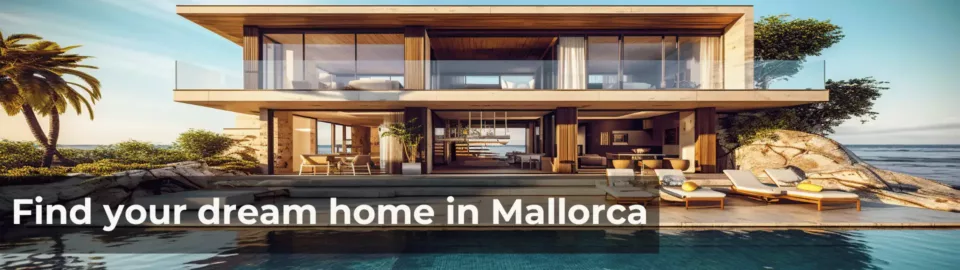
Few objects embody the philosophy of considered luxury as completely as a fine mechanical watch. A timepiece from a maison such as Patek Philippe, Audemars Piguet, Vacheron Constantin, or Rolex is a feat of miniature engineering, often assembled and finished by hand over many hours. It keeps time, of course, but it also keeps faith with a tradition of craft that machines alone cannot replicate.
The enduring appeal of haute horlogerie lies in its permanence. A well-chosen watch can be worn for a lifetime and passed on, accruing meaning as it accrues history. The same logic extends to other objects of tangible heritage — fine jewelry, a leather trunk, a piece of furniture commissioned to last generations. In a culture of the disposable, these are quiet acts of permanence, and the most genuine expression of luxury’s longer view.
Wellness, Time, and the Inner Life
The ultimate luxury is not a possession at all but a state of being: health, time, and peace of mind. As the pace of life accelerates and connectivity becomes inescapable, the rarest commodities are rest, presence, and unhurried attention. The contemporary understanding of luxury increasingly centers on wellness — not as indulgence, but as the foundation that makes everything else worthwhile.
This shows up in the rise of destination spas and longevity-focused retreats, in the renewed value placed on sleep and movement, and in the simple decision to protect one’s time. A private chef cooking nourishing food, a quiet morning with no obligations, an afternoon spent reading rather than scrolling — these are luxuries available to the attentive far more than to the merely wealthy.
- Time, well guarded. The freedom to choose how you spend your hours is the scarcest luxury of all.
- Health, well tended. Sleep, nutrition, and movement underpin every other pleasure.
- Attention, well directed. Presence — to people, food, and place — multiplies the value of every experience.
Curating a Life of Intention
What unites travel, dining, design, dress, and wellness is a single thread: intentionality. The luxury lifestyle is ultimately about choosing quality, embracing beauty, and cultivating joy in every aspect of daily life. It is less about how much one owns than about how thoughtfully one lives — the willingness to slow down, to learn, and to surround oneself with things and experiences that genuinely matter.
Curating the art of living well is a lifelong practice rather than a destination. It rewards patience, knowledge, and discernment over impulse and excess. Approached this way, luxury ceases to be a competition for status and becomes something far richer: a quiet, deliberate, and deeply personal celebration of life at its finest.
Frequently Asked Questions (FAQ)
What does a luxury lifestyle really mean today?
A luxury lifestyle today is a sensibility rather than a price tag, expressed in how thoughtfully a person curates their hours, experiences, and possessions. It extends beyond fashion to travel, dining, the home, and wellness. The modern shift toward "quiet luxury" prizes discretion, longevity, and meaning over visible logos and conspicuous display.
What is "quiet luxury" and why has it become so important?
Quiet luxury is the preference for discretion over display, longevity over novelty, and meaning over mere acquisition. The guide frames it as a return to first principles: the idea that genuine quality speaks softly and lasts. It replaces twentieth-century visibility, defined by recognizable monograms and conspicuous logos, with refined, understated choices made with intention.
What defines luxury travel in the modern era?
Modern luxury travel favors authentic immersion over ostentatious display, offering transformative experiences like private cultural access and encounters with master artisans. Houses such as Aman, Belmond, and Six Senses deliver flawless, almost invisible service rooted in their locations. The truest luxury is freedom of rhythm, plus principles like access over amenities, slowness, local expertise, and footprint awareness.
How do you build a serious luxury wine collection?
Building a serious wine collection rests on four fundamentals: proper storage, documented provenance, balance, and restraint. Stable temperature, humidity, darkness, and freedom from vibration protect bottles, while a documented chain of custody preserves quality and value. Burgundy and Bordeaux remain blue-chip cornerstones, though regions like Oregon's Willamette Valley and South Africa's Swartland offer character and value.
What makes a luxury home and interior design feel truly refined?
A refined luxury home is a sanctuary of bespoke craftsmanship: custom furniture, commissioned art, hand-finished surfaces, and architectural details no mass-market interior can replicate. Italian houses like B&B Italia, Poltrona Frau, and Molteni&C set standards, while Scandinavian, Japanese, and wabi-sabi aesthetics favor serene minimalism. Sophistication shows in how little smart-home technology you ever see.
How do you build a quiet-luxury wardrobe that lasts?
A luxury wardrobe is built, not bought, around a tightly edited capsule of versatile, high-quality pieces. Houses like Hermès, Loro Piana, Brunello Cucinelli, and The Row are admired for materials and cut rather than logos. The guiding habits are fabric first, fit over fashion, care as ritual, and buying slowly to build coherence over volume.
Why are fine mechanical watches considered the ultimate luxury heritage object?
Fine mechanical watches embody considered luxury because they are feats of miniature engineering, often assembled and finished by hand over many hours. Timepieces from maisons such as Patek Philippe, Audemars Piguet, Vacheron Constantin, and Rolex can be worn for a lifetime and passed on, accruing meaning as they accrue history. They are quiet acts of permanence.
What is the ultimate luxury according to this guide?
The ultimate luxury is not a possession but a state of being: health, time, and peace of mind. As life accelerates, the rarest commodities are rest, presence, and unhurried attention. Wellness becomes the foundation that makes everything else worthwhile, expressed through guarded time, tended health, and directed attention, available to the attentive more than the merely wealthy.

More from News
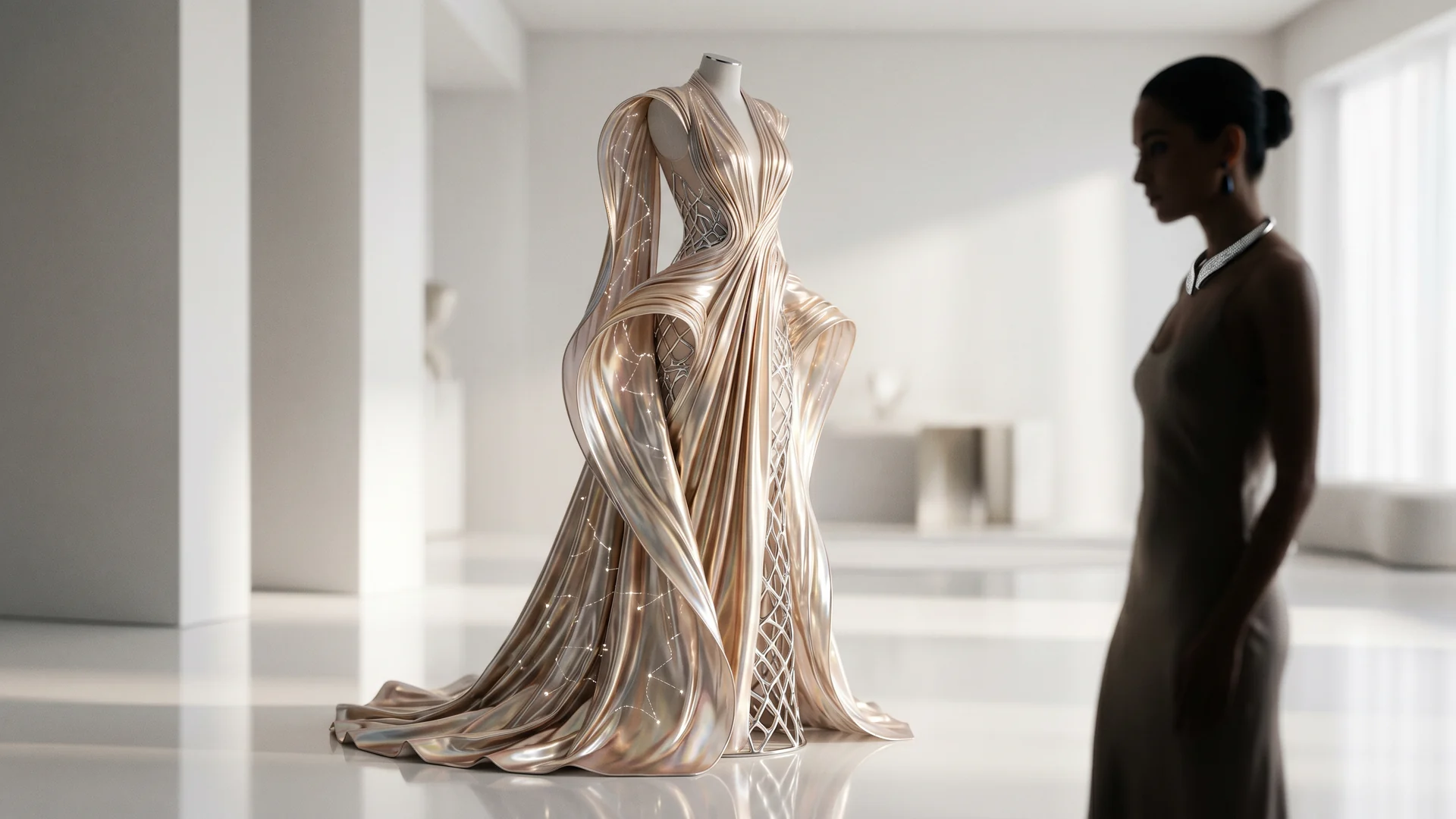
Future of Luxury Fashion: Innovation, Technology, and the Next Frontier
Discover the future of luxury fashion: how AI, blockchain, digital couture, bio-fabricated materials and sustainability are reshaping maisons and the …

Celebrity Style Guide: Decoding the Fashion of the Famous
Decode celebrity style: how stylists, red carpet partnerships, and social media shape fashion, plus archetypes and tips to build a celebrity-inspired …

Perfume & Fragrance Guide: The Art of Olfactory Excellence
A complete perfume and fragrance guide: master top, heart and base notes, oil concentrations, olfactive families, heritage and niche houses, plus stor…