Luxury Fashion Guide 2026: The Definitive Handbook
Luxury Fashion Guide 2026: explore the trends, top houses, jewel tones, quiet luxury, sustainability, resale, and timeless investment pieces shaping high-end fashion.…

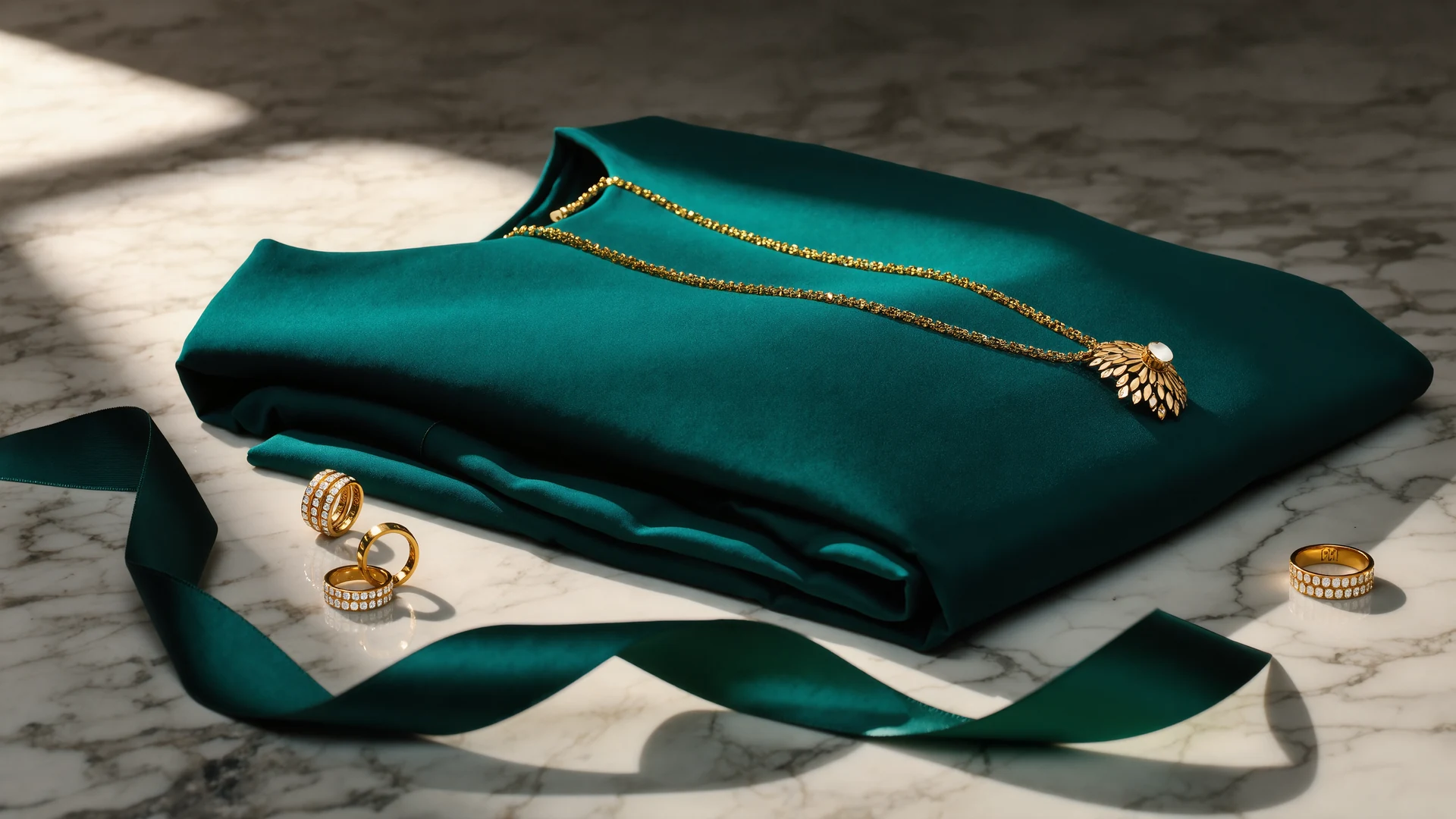
In 2026, luxury fashion fuses heritage craftsmanship with technology, rewarding patience and intention through quiet luxury, sustainability, traceability, and fewer, better investment pieces built to last.
Key Takeaways
- The 2026 palette pairs sophisticated neutrals like camel, ivory, charcoal, and stone with bold jewel tones, as deep sapphire, rich emerald, and vibrant amethyst dominate the runways.
- Oversized tailoring continues with structured shoulders, cinched waists, and fluid draping, while gender-fluid design becomes a mainstream expectation led by Gucci, Bottega Veneta, and Loewe.
- Quiet luxury has matured into a lasting sensibility, with Loro Piana, Brunello Cucinelli, and The Row prized for craftsmanship and durability over conspicuous branding.
- Sustainability is now a core business imperative, with Stella McCartney setting the standard and heritage houses like Hermes and Loro Piana pursuing responsible sourcing and longevity.
- Digital traceability tools, including blockchain-based provenance records, give high-value pieces a verifiable history useful for both authentication and resale.
- Timeless investment pieces include a Max Mara cashmere coat, a classic Chanel flap bag, and handcrafted John Lobb oxfords, valued for versatility and durability over novelty.
- The luxury resale market has expanded via Vestiaire Collective and The RealReal, giving access to archival pieces and making the wardrobe a more liquid asset.
🌐 Also available in: Deutsch
The State of Luxury Fashion in 2026
The landscape of luxury fashion continues to evolve at a breathtaking pace, and 2026 marks a pivotal year for the industry. What once moved in stately, seasonal rhythms now responds to a far more complex set of forces: a generation of collectors who research provenance as carefully as they read editorials, supply chains under unprecedented scrutiny, and creative directors balancing the weight of heritage against the pull of reinvention. This comprehensive guide explores the trends, houses, and innovations shaping high-end fashion today, and offers a framework for understanding luxury not as a static category, but as a living conversation between craft, culture, and conscience.
Luxury has always been about more than price. At its best, it is the visible result of time, skill, and restraint — the kind of quality that announces itself quietly. In 2026, that principle remains intact, even as the vocabulary around it grows richer. The houses that thrive are those that translate their archives into the present without diluting what made them desirable in the first place.
Key Trends Defining 2026
This year, we are witnessing a remarkable fusion of heritage craftsmanship and cutting-edge technology. Major fashion houses are embracing digital integration while maintaining their commitment to artisanal excellence. The result is a wardrobe that feels both timeless and unmistakably current.
Color and Material
The color palette of 2026 leans toward sophisticated neutrals punctuated by bold jewel tones. Deep sapphire, rich emerald, and vibrant amethyst dominate the runways, anchored by a foundation of camel, ivory, charcoal, and stone. These tones are chosen for their longevity as much as their drama — a sapphire coat or an emerald evening dress reads as an investment rather than a fleeting statement. Texture is doing as much work as color this year, with brushed wools, dense cashmere, polished leathers, and tactile silks rewarding a closer look.
Silhouette and Tailoring
Silhouettes have shifted noticeably. Oversized tailoring continues its reign, but with a refined twist: structured shoulders, cinched waists, and fluid draping create a powerful yet graceful aesthetic. The exaggerated proportions of recent seasons have been tempered by precision, so that volume now reads as deliberate rather than careless. Gender-fluid designs are no longer a niche concept but a mainstream expectation, with houses like Gucci, Bottega Veneta, and Loewe leading the charge toward a more open and expressive idea of how clothing relates to identity.
- Sculptural outerwear — coats and capes treated as architecture, with a clear sense of line and weight.
- Elevated knitwear — fine-gauge cashmere and merino moving from supporting role to centerpiece.
- Considered accessories — fewer, better pieces chosen to last across many seasons.
- Quiet hardware — discreet clasps and tonal finishes replacing loud, logo-heavy detailing.

The Rise of Quiet Luxury and Its Counterpoint
The conversation around “quiet luxury” — understated, logo-light dressing built on superb materials and cut — has matured into a genuine sensibility rather than a passing trend. Houses long associated with discretion, such as Loro Piana, Brunello Cucinelli, and The Row, have found a wider audience among buyers who prize craftsmanship over conspicuous branding. The appeal is durability in every sense: garments designed to outlast the news cycle and to integrate seamlessly into an existing wardrobe.
Yet fashion rarely allows a single mood to go unchallenged. Alongside this restraint, a more maximalist and expressive current persists, championed by designers who treat clothing as spectacle and self-expression. The most interesting wardrobes in 2026 borrow from both impulses — pairing an impeccably plain cashmere knit with a single, deliberate statement piece. Understanding where you sit on that spectrum is the first step in building a collection that feels authentically yours rather than dictated by the prevailing trend.
Sustainability Takes Center Stage
Sustainability has moved from a marketing buzzword to a core business imperative. In 2026, luxury brands are investing heavily in circular fashion models, regenerative materials, and transparent supply chains. Stella McCartney continues to set the standard for design that refuses to compromise on ethics, while heritage houses like Hermès and Loro Piana pursue their own approaches to responsible sourcing and longevity. For many of these maisons, sustainability and luxury were never in tension: a product built to last decades and be repaired rather than replaced is, by definition, the antithesis of disposable fashion.
Traceability and Transparency
Consumers now expect a clear account of where a piece comes from and how it was made. Digital traceability tools, including blockchain-based provenance records, are being deployed to give high-value pieces a verifiable history — useful both for authentication and for resale. This shift toward accountability is reshaping how luxury brands communicate with their clientele, replacing vague claims with documentation a buyer can actually inspect.
Care, Repair, and Longevity
One of the quietest but most meaningful changes is the renewed emphasis on aftercare. Repair ateliers, restoration services, and made-to-last construction are being positioned as central to the luxury proposition rather than an afterthought. The implication for buyers is practical: the most sustainable purchase is usually the one you already own, properly maintained.
- Choose natural or responsibly sourced fibers with a long usable life.
- Favor classic construction that can be repaired or re-soled rather than discarded.
- Keep documentation, dust bags, and original packaging to preserve resale value.
- Use professional cleaning and storage to extend the life of delicate materials.
Investment Pieces Worth Your Attention
For the discerning collector, certain pieces transcend seasonal trends. A well-tailored cashmere coat from Max Mara, a classic Chanel flap bag, or a pair of handcrafted John Lobb oxfords remain timeless investments — items whose value lies in versatility and durability rather than novelty. The logic of the investment wardrobe is simple: spend deliberately on a small number of exceptional pieces that anchor everything else, and resist the churn of fast-moving trends.
Building a Core Wardrobe
A thoughtfully assembled luxury wardrobe tends to rest on a handful of enduring categories. These are the pieces worth the most consideration and, often, the largest share of the budget:
- Outerwear — a structured wool or cashmere coat that elevates everything beneath it.
- Tailoring — a well-cut blazer and trousers that move easily between formal and relaxed settings.
- Leather goods — a single, well-chosen handbag or briefcase built to age gracefully.
- Footwear — handcrafted shoes that can be resoled and maintained over years of wear.
- Knitwear — fine cashmere or merino pieces that bridge casual and refined dressing.
The Resale and Vintage Market
The resale market for luxury goods has expanded dramatically, with established platforms such as Vestiaire Collective and The RealReal bringing structure, authentication, and confidence to a once-fragmented space. For buyers, the secondary market offers access to discontinued and archival pieces, often at compelling value; for sellers, it makes the wardrobe a more liquid asset. Vintage shopping has also shed any lingering stigma, increasingly regarded as a sophisticated route to individuality and a more circular way to consume luxury.
Designers and Houses to Watch
Beyond the established maisons, a generation of designers is shaping where luxury is headed. Emerging talents include Peter Do, whose architectural minimalism has captivated the fashion elite, and Conner Ives, whose upcycled creations marry sustainability with high-concept design. Both represent a vision of luxury that is innovative, conscious, and uncompromising in quality — proof that responsibility and desirability can coexist at the highest level.
At the same time, the major houses continue to define the broader conversation. Creative leadership remains one of the most closely watched dynamics in the industry, as appointments and departures at storied maisons reverberate across collections, accessories, and brand identity. For collectors, these shifts can be meaningful: a change in direction often reframes how earlier work is valued and which pieces become enduring references. Watching how houses such as Gucci, Bottega Veneta, Loewe, Chanel, and Hermès navigate continuity and reinvention offers a reliable read on the season ahead.

Where and How to Shop in 2026
The luxury retail experience has transformed. While flagship boutiques on Avenue Montaigne and Bond Street remain pilgrimage sites — places where service, atmosphere, and the tactile reality of the product still matter enormously — the digital luxury experience has matured significantly. Virtual showrooms, AI-powered personal shopping assistants, and exclusive digital drops have become standard offerings from top-tier brands, extending the relationship between house and client well beyond the shop floor.
The Physical Boutique
For significant purchases, the in-person experience remains unmatched. The ability to feel a fabric, assess a cut, and build a relationship with a sales associate or client advisor delivers value that no interface fully replicates. Many houses now treat their flagships less as points of sale and more as cultural spaces — settings designed to communicate the world a brand inhabits.
The Digital Frontier
Online, the priorities are convenience, access, and personalization. The best digital experiences pair generous imagery and detailed product information with knowledgeable human or AI-assisted guidance. For buyers, a few principles keep the experience sound:
- Purchase from official boutiques, brand sites, or reputable authenticated resellers.
- Scrutinize materials, construction, and provenance details before committing.
- Confirm return, repair, and care policies, which are part of the true cost of ownership.
- Treat authentication and documentation as essential, especially in the secondary market.
How to Build a Personal Luxury Wardrobe
Translating all of this into a wardrobe that works for you requires a strategy rather than a shopping list. The most satisfying collections are edited, intentional, and personal — assembled over time rather than in a single rush.
- Define your foundation. Identify the neutral, hard-working pieces you reach for most, and invest there first.
- Buy fewer, better. One exceptional coat outperforms several mediocre ones in both wear and satisfaction.
- Prioritize fit. Even the finest garment underwhelms if it fits poorly; budget for tailoring.
- Let pieces earn their place. Choose items that combine easily with what you already own.
- Think in decades. Favor designs and materials that will still feel right years from now.
This approach reframes luxury as a long game. Rather than chasing each season, you assemble a wardrobe with a clear point of view, where every addition strengthens the whole.
The Future of Luxury
As we navigate 2026, one thing is clear: luxury fashion is no longer just about what you wear — it is about the values you embody and the story your wardrobe tells. The defining tension of the moment is a productive one, between heritage and innovation, between restraint and expression, between the desire to own beautiful things and the responsibility to do so thoughtfully.
The houses and designers that succeed will be those who honor the craft that built their reputations while meeting a more informed, more conscientious clientele on its own terms. For the collector, the opportunity has rarely been richer: an expanding resale market, deeper transparency, and a renewed appreciation for the pieces designed to last. Luxury in 2026 rewards patience, knowledge, and intention — and a wardrobe built on those principles is one that holds its value, both in the market and in the wearing.
Frequently Asked Questions (FAQ)
What defines luxury fashion in 2026?
Luxury fashion in 2026 is defined by a fusion of heritage craftsmanship and cutting-edge technology, with houses embracing digital integration while maintaining artisanal excellence. The year centers on quiet luxury, sustainability as a core imperative, traceability, jewel-tone palettes, gender-fluid design, and a focus on durable investment pieces designed to last and be repaired rather than replaced.
Which colors and materials dominate luxury fashion in 2026?
The 2026 palette leans toward sophisticated neutrals such as camel, ivory, charcoal, and stone, punctuated by bold jewel tones including deep sapphire, rich emerald, and vibrant amethyst. These tones are chosen for longevity as much as drama. Texture works as hard as color, with brushed wools, dense cashmere, polished leathers, and tactile silks rewarding a closer look.
What is quiet luxury and which brands lead it in 2026?
Quiet luxury is understated, logo-light dressing built on superb materials and cut, and in 2026 it has matured into a genuine sensibility rather than a passing trend. Houses long associated with discretion, including Loro Piana, Brunello Cucinelli, and The Row, lead it, appealing to buyers who prize craftsmanship and durability over conspicuous branding.
How is sustainability shaping luxury fashion in 2026?
Sustainability has moved from a marketing buzzword to a core business imperative in luxury fashion. Brands invest heavily in circular fashion models, regenerative materials, and transparent supply chains. Stella McCartney sets the design standard, while heritage houses like Hermes and Loro Piana pursue responsible sourcing. Repair, restoration, and made-to-last construction are now central to the luxury proposition.
Which luxury pieces are worth investing in for 2026?
For discerning collectors, certain pieces transcend seasonal trends. A well-tailored cashmere coat from Max Mara, a classic Chanel flap bag, and handcrafted John Lobb oxfords remain timeless investments whose value lies in versatility and durability rather than novelty. A core wardrobe rests on outerwear, tailoring, leather goods, resoleable footwear, and fine knitwear.
How does the luxury resale market work in 2026?
The luxury resale market has expanded dramatically, with established platforms such as Vestiaire Collective and The RealReal bringing structure, authentication, and confidence to a once-fragmented space. Buyers gain access to discontinued and archival pieces at compelling value, while sellers make their wardrobes a more liquid asset. Vintage shopping is now seen as a sophisticated, circular route to individuality.
How is blockchain being used in luxury fashion in 2026?
Digital traceability tools, including blockchain-based provenance records, are deployed to give high-value pieces a verifiable history. As consumers now expect a clear account of where a piece comes from and how it was made, this is useful for both authentication and resale. The shift toward accountability replaces vague claims with documentation a buyer can inspect.
Which emerging luxury designers should you watch in 2026?
Two emerging designers stand out in 2026. Peter Do is celebrated for architectural minimalism that has captivated the fashion elite, while Conner Ives is known for upcycled creations that marry sustainability with high-concept design. Both represent a vision of luxury that is innovative, conscious, and uncompromising in quality, proving responsibility and desirability can coexist at the highest level.
More from News
Future of Luxury Fashion: Innovation, Technology, and the Next Frontier
Discover the future of luxury fashion: how AI, blockchain, digital couture, bio-fabricated materials and sustainability are reshaping maisons and the …

Celebrity Style Guide: Decoding the Fashion of the Famous
Decode celebrity style: how stylists, red carpet partnerships, and social media shape fashion, plus archetypes and tips to build a celebrity-inspired …

Luxury Lifestyle Guide: Curating the Art of Living Well
Discover the luxury lifestyle as the art of living well: quiet luxury in travel, wine, home design, wardrobe, watches, and wellness, curated with inte…