News · News
Ultimate Outdoor Adventures: Embrace the Wild
Hiking is one of the most accessible ways to immerse oneself in nature, offering a unique blend of physical exercise and mental rejuvenation. Trails can be found in nearly every co…

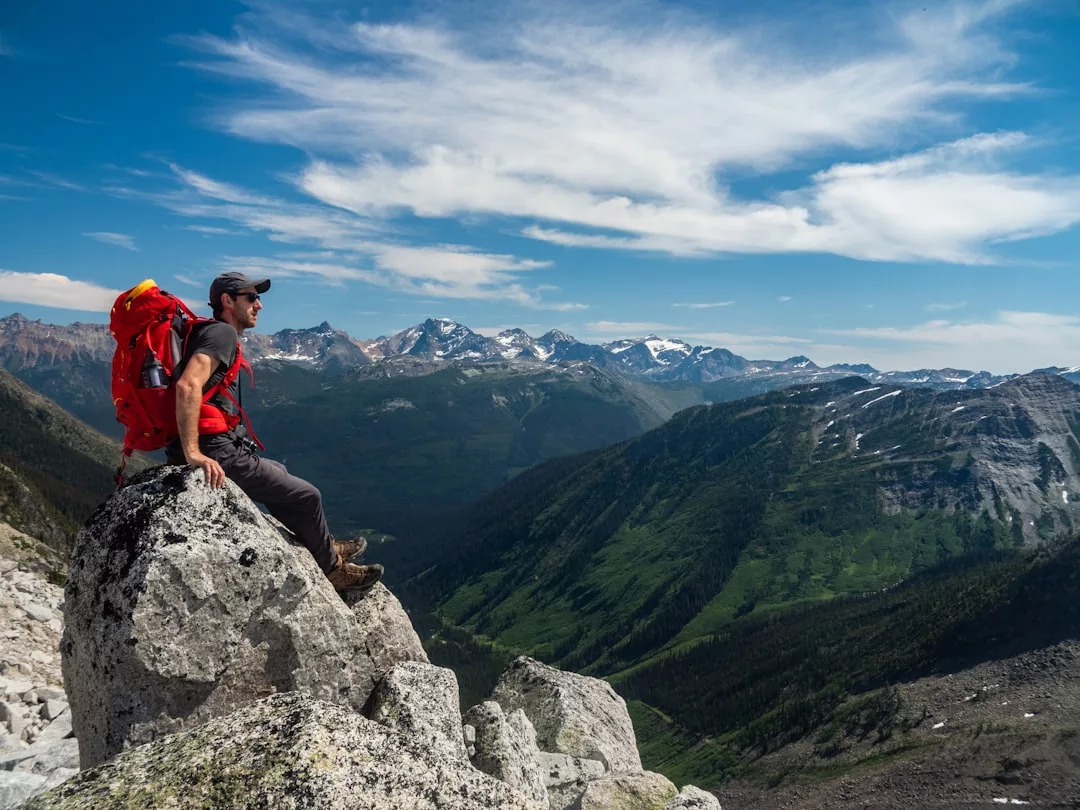

Hiking is one of the most accessible ways to immerse oneself in nature, offering a unique blend of physical exercise and mental rejuvenation. Trails can be found in nearly every corner of the globe, ranging from gentle walks through lush forests to challenging ascents up rugged mountains. The beauty of hiking lies not only in the diverse landscapes one encounters but also in the opportunity for personal reflection and connection with the environment.
For instance, the Appalachian Trail, stretching over 2,190 miles from Georgia to Maine, showcases a variety of ecosystems and terrains, allowing hikers to experience everything from dense woodlands to breathtaking vistas. Moreover, hiking can be a social activity or a solitary pursuit, depending on one’s preference. Group hikes can foster camaraderie and shared experiences, while solo hikes often provide a chance for introspection and solitude.
The physical benefits of hiking are well-documented; it improves cardiovascular health, strengthens muscles, and enhances overall well-being. Additionally, studies have shown that spending time in nature can reduce stress levels and improve mood, making hiking not just a physical endeavor but also a mental escape. Whether traversing the serene paths of national parks or exploring local trails, hiking invites individuals to step away from their daily routines and reconnect with the natural world.
Key Takeaways
- Hiking allows you to connect with nature and explore beautiful landscapes at your own pace.
- Camping offers a unique opportunity to disconnect from the hustle and bustle of everyday life and enjoy the tranquility of the outdoors.
- Rock climbing provides a thrilling challenge and a sense of accomplishment as you conquer new heights.
- Whitewater rafting is an exhilarating adventure that allows you to experience the rush of riding through rapids.
- Backpacking enables you to carry everything you need on your back and explore remote and untouched wilderness areas.
Camping: Sleep under the Stars
Camping offers an unparalleled opportunity to experience the great outdoors in a more intimate way. Setting up a tent beneath a canopy of stars allows individuals to escape the confines of urban life and immerse themselves in nature’s tranquility. The act of camping can range from primitive setups in remote locations to more luxurious glamping experiences that include comfortable beds and gourmet meals.
Regardless of the style, camping encourages individuals to slow down and appreciate the simple pleasures of life, such as cooking over an open fire or listening to the sounds of nature at night. The experience of camping is often enhanced by the activities that accompany it. Hiking during the day, fishing in nearby lakes, or simply lounging by the campfire can create lasting memories.
For families, camping serves as an excellent bonding experience, teaching children valuable skills such as setting up a tent, building a fire, and respecting nature. National parks like Yellowstone or Yosemite offer designated campgrounds that provide access to stunning landscapes and abundant wildlife, making them ideal destinations for both novice and experienced campers.
Rock Climbing: Conquer the Heights
Rock climbing is an exhilarating sport that challenges both physical strength and mental fortitude. It requires not only athleticism but also strategic thinking and problem-solving skills as climbers navigate their way up vertical rock faces. From bouldering—climbing shorter walls without ropes—to traditional climbing that involves placing gear for protection on longer routes, rock climbing offers a variety of styles to suit different preferences and skill levels.
Iconic climbing destinations like El Capitan in Yosemite National Park or the sandstone cliffs of Joshua Tree National Park attract climbers from around the world, each seeking their own personal challenge. The mental aspect of rock climbing cannot be overstated; climbers must constantly assess risks, plan their movements, and maintain focus under pressure. This combination of physical exertion and mental engagement creates a unique sense of accomplishment when reaching the summit.
Additionally, rock climbing fosters a strong sense of community among climbers who often share tips, techniques, and encouragement. Climbing gyms have also become popular venues for beginners to learn the ropes in a controlled environment before venturing outdoors. Whether scaling indoor walls or tackling outdoor crags, rock climbing provides an adrenaline rush that few other sports can match.

Whitewater Rafting: Ride the Rapids
Whitewater rafting is an adventure sport that combines teamwork with adrenaline-pumping excitement as participants navigate through turbulent river waters. The thrill of paddling through rapids while working in unison with fellow rafters creates an exhilarating experience that is both challenging and rewarding. Rivers like the Colorado River through the Grand Canyon or the Gauley River in West Virginia are renowned for their thrilling rapids and stunning scenery, drawing adventurers eager to test their skills against nature’s forces.
Safety is paramount in whitewater rafting; participants are typically equipped with life jackets and helmets, and guides provide essential training on paddling techniques and navigating rapids. The camaraderie developed during a rafting trip is often profound, as teams must communicate effectively to maneuver through challenging sections of the river. Beyond the thrill of navigating rapids, whitewater rafting also offers opportunities for exploration and appreciation of natural beauty.
Many rivers wind through breathtaking landscapes, providing glimpses of wildlife and stunning geological formations along the way.
Backpacking: Carry Your World on Your Shoulders
Backpacking combines hiking with camping, allowing adventurers to explore remote areas while carrying all necessary gear on their backs. This form of travel encourages self-sufficiency and fosters a deep connection with nature as backpackers traverse trails that lead to hidden gems away from crowded tourist spots. The experience can range from short overnight trips to extended journeys lasting weeks or even months, such as those undertaken on long-distance trails like the Pacific Crest Trail or the Continental Divide Trail.
The art of backpacking involves careful planning and preparation; selecting lightweight gear is crucial for comfort during long treks. The rewards of backpacking are immense—stunning sunrises over mountain ranges, serene moments by alpine lakes, and encounters with wildlife create unforgettable memories.
Additionally, backpacking fosters resilience and adaptability as individuals learn to overcome challenges such as inclement weather or difficult terrain.
Mountain Biking: Conquer the Trails
Mountain biking is an exhilarating way to explore rugged terrains while enjoying the thrill of speed and agility on two wheels. With specialized bikes designed for off-road conditions, mountain bikers can tackle everything from smooth singletrack paths to technical descents filled with rocks and roots. Trails can be found in various environments—from forested areas to desert landscapes—each offering unique challenges and breathtaking views.
The sport has gained immense popularity over recent years, leading to the development of dedicated mountain biking parks equipped with purpose-built trails catering to different skill levels. These parks often feature features like jumps, berms, and technical sections that allow riders to hone their skills while enjoying a sense of community among fellow enthusiasts. Mountain biking not only provides an adrenaline rush but also promotes physical fitness by improving cardiovascular health and building muscle strength.
The combination of speed, skill, and connection with nature makes mountain biking an appealing choice for outdoor enthusiasts seeking adventure.
Kayaking: Paddle through Scenic Waters
Kayaking offers a unique perspective on waterways, allowing paddlers to explore lakes, rivers, and coastal areas at their own pace. This versatile activity can be enjoyed recreationally or as part of more challenging adventures such as sea kayaking or whitewater kayaking. The tranquility of gliding across calm waters contrasts sharply with the adrenaline rush experienced when navigating rapids or ocean swells.
Kayaking also provides opportunities for wildlife observation; many paddlers encounter birds, fish, and even marine mammals while exploring their chosen waterways. Popular kayaking destinations include places like Lake Tahoe in California or the fjords of Norway, where stunning scenery enhances the experience. For those new to kayaking, guided tours are available that offer instruction on paddling techniques and safety measures while providing insights into local ecosystems.
Whether paddling solo or joining a group expedition, kayaking allows individuals to connect with nature in a profound way.
Wildlife Safari: Encounter Nature’s Creatures
Wildlife safaris offer an extraordinary opportunity to observe animals in their natural habitats while promoting conservation efforts. These excursions can take place in diverse environments—from African savannas teeming with elephants and lions to lush rainforests inhabited by exotic birds and primates. Safaris can be conducted via vehicles, on foot, or even by boat, each providing unique vantage points for observing wildlife.
The thrill of spotting animals in their natural surroundings is unparalleled; moments such as witnessing a pride of lions on a hunt or observing migratory patterns during the Great Migration in East Africa create lasting memories for participants. Many safari operators prioritize sustainable practices that benefit local communities and protect wildlife populations. Educational components are often included in safari experiences, allowing participants to learn about conservation efforts and the importance of preserving ecosystems for future generations.

Canyoning: Descend into the Unknown
Canyoning is an adventurous activity that involves navigating through canyons by rappelling down waterfalls, jumping into pools, and swimming through narrow passages. This thrilling sport combines elements of hiking, climbing, swimming, and diving into one exhilarating experience that challenges participants both physically and mentally. Canyoning locations vary widely across the globe; places like Utah’s Zion National Park or Slovenia’s Soca Valley are renowned for their stunning canyon formations.
Safety is crucial in canyoning; participants typically wear harnesses and helmets while being guided by experienced instructors who ensure proper techniques are followed throughout the descent. The sense of adventure is heightened by the breathtaking scenery encountered along the way—towering rock walls, crystal-clear waters, and lush vegetation create an otherworldly atmosphere that captivates adventurers. Canyoning not only provides an adrenaline rush but also fosters teamwork as participants work together to navigate challenging sections of the canyon.
Paragliding: Soar through the Sky
Paragliding offers a unique perspective on the world below as participants glide gracefully through the air like birds. This exhilarating sport allows individuals to experience flight without the complexities associated with traditional aviation methods. Launching from elevated terrains such as mountains or cliffs provides breathtaking views while creating an adrenaline-fueled adventure that few other activities can match.
The sensation of soaring through the sky is both liberating and awe-inspiring; paragliders often describe it as a meditative experience that fosters a deep connection with nature. Many paragliding locations around the world offer tandem flights for beginners alongside experienced instructors who guide them through every step of the process—from takeoff to landing. Popular destinations include locations like Interlaken in Switzerland or Oludeniz in Turkey, where stunning landscapes enhance the thrill of flight.
Survival Skills: Learn to Thrive in the Wilderness
Survival skills are essential knowledge for anyone venturing into remote areas where access to modern conveniences may be limited or nonexistent. Learning how to build shelters, start fires without matches, find food sources in nature, and navigate using natural landmarks can mean the difference between thriving or merely surviving in challenging situations. Survival courses are offered worldwide—ranging from weekend workshops to extensive training programs—that teach participants practical skills applicable in real-life scenarios.
The importance of survival skills extends beyond mere survival; they foster self-reliance and confidence while encouraging individuals to develop a deeper appreciation for nature’s resources. Skills such as foraging for edible plants or purifying water can empower individuals during outdoor adventures while promoting sustainability practices that respect natural ecosystems. Engaging with survival training not only prepares adventurers for unexpected situations but also cultivates a mindset focused on resilience and adaptability—qualities essential for thriving in any environment.

More in
More from News

News · 15 min
Future of Luxury Fashion: Innovation, Technology, and the Next Frontier
Discover the future of luxury fashion: how AI, blockchain, digital couture, bio-fabricated materials and sustainability are reshaping maisons and the …

News · 15 min
Celebrity Style Guide: Decoding the Fashion of the Famous
Decode celebrity style: how stylists, red carpet partnerships, and social media shape fashion, plus archetypes and tips to build a celebrity-inspired …

News · 14 min
Luxury Lifestyle Guide: Curating the Art of Living Well
Discover the luxury lifestyle as the art of living well: quiet luxury in travel, wine, home design, wardrobe, watches, and wellness, curated with inte…