News · News
The Rise of Co-working Spaces: A New Era for Collaboration
The landscape of workspaces has undergone a significant transformation over the past few decades. Traditional offices, characterized by cubicles, closed-door offices, and rigid hie…

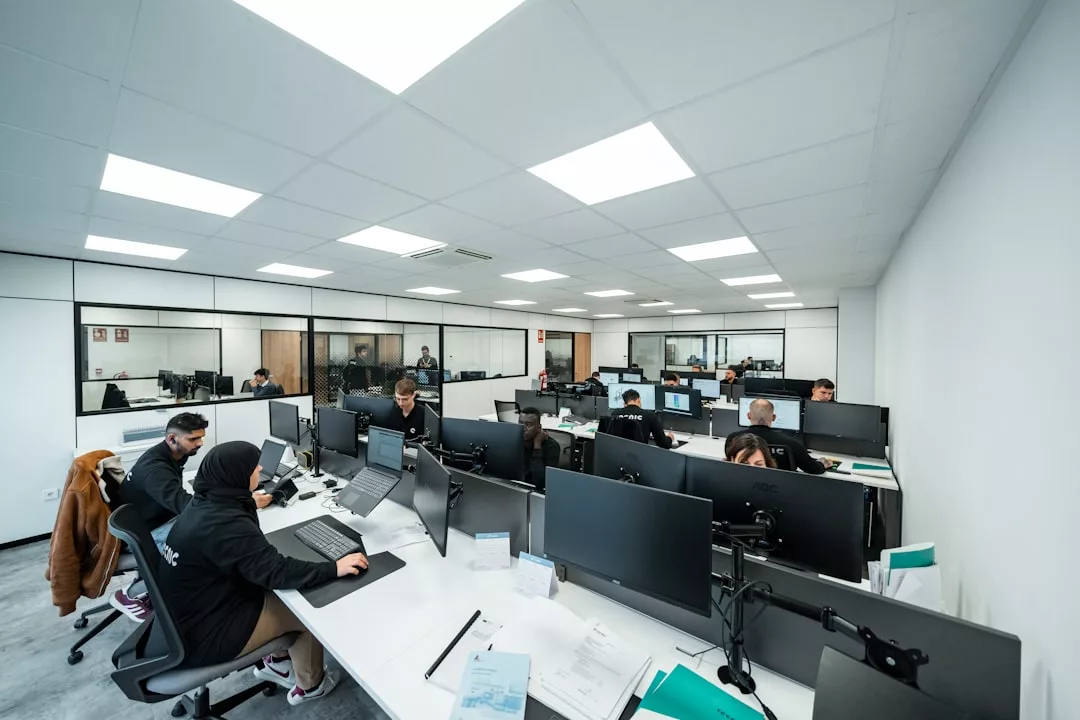

The landscape of workspaces has undergone a significant transformation over the past few decades. Traditional offices, characterized by cubicles, closed-door offices, and rigid hierarchies, have gradually given way to more flexible and dynamic environments. The shift began in the late 20th century when companies started to recognize the limitations of conventional office designs.
The rise of technology and the internet facilitated remote work, prompting organizations to rethink their spatial needs. As a result, open-plan offices emerged, promoting collaboration and communication among employees. However, these spaces often lacked the privacy and focus that many workers desired.
The advent of co-working spaces marked a pivotal moment in this evolution. These shared environments cater to freelancers, entrepreneurs, and remote workers, offering a blend of community and independence. Unlike traditional offices, co-working spaces are designed to foster interaction while providing the necessary amenities for productivity.
They often feature communal areas, meeting rooms, and private offices, allowing individuals to choose their preferred work setting. This flexibility has made co-working spaces increasingly popular, as they adapt to the diverse needs of today’s workforce. The concept has expanded globally, with cities around the world embracing this new model of work.
Key Takeaways
- Traditional offices are evolving into co-working spaces, providing more flexibility and collaboration opportunities.
- Co-working spaces offer freelancers and remote workers benefits such as cost-effectiveness, networking, and a sense of community.
- Collaboration and networking opportunities are fostered in co-working spaces through shared resources and events.
- Co-working spaces play a role in fostering creativity and innovation through diverse and dynamic environments.
- Co-working spaces can positively impact work-life balance by offering flexibility and a supportive community.
The Benefits of Co-working Spaces for Freelancers and Remote Workers
Co-working spaces offer a myriad of advantages for freelancers and remote workers that extend beyond mere physical space. One of the most significant benefits is the access to a professional environment that enhances productivity. Many freelancers struggle with distractions at home or in coffee shops, where noise and interruptions can hinder focus.
Co-working spaces provide a dedicated workspace that is designed for work, equipped with high-speed internet, ergonomic furniture, and essential office supplies. This professional setting can lead to increased efficiency and a more structured workday. Moreover, co-working spaces often come with flexible membership options that cater to various needs.
Freelancers can choose from hot-desking arrangements, dedicated desks, or private offices based on their requirements and budget. Additionally, many co-working spaces offer amenities such as meeting rooms, event spaces, and networking opportunities that can be invaluable for freelancers looking to expand their client base or collaborate with others in their field.
The ability to access these resources without the overhead costs associated with traditional office leases makes co-working spaces an attractive option for many.
How Co-working Spaces Foster Collaboration and Networking Opportunities
One of the defining features of co-working spaces is their inherent ability to foster collaboration and networking among diverse professionals. Unlike traditional offices where employees often work within silos, co-working environments bring together individuals from various industries and backgrounds. This diversity creates a rich tapestry of ideas and perspectives that can lead to innovative collaborations.
For instance, a graphic designer working alongside a software developer may spark a partnership that results in a new app or service. Networking opportunities abound in co-working spaces, as they often host events such as workshops, seminars, and social gatherings. These events encourage members to connect with one another, share knowledge, and explore potential partnerships.
Many co-working spaces also have community managers who facilitate introductions and help members find collaborators based on their skills and interests. This sense of community not only enhances professional relationships but also contributes to personal growth and development. The informal interactions that occur in shared kitchens or lounge areas can lead to meaningful connections that extend beyond the workspace.

The Role of Co-working Spaces in Fostering Creativity and Innovation
Co-working spaces are designed to inspire creativity and innovation by providing an environment that encourages experimentation and collaboration. The open layout and communal areas promote spontaneous interactions among members, which can lead to the exchange of ideas and creative solutions. For example, a writer may find inspiration from conversations with a marketing professional or an artist may collaborate with a tech entrepreneur on a multimedia project.
This cross-pollination of ideas is often difficult to achieve in traditional office settings where teams are compartmentalized. Additionally, many co-working spaces incorporate design elements that stimulate creativity. Bright colors, unique furniture arrangements, and art installations can create an atmosphere that encourages out-of-the-box thinking.
Some spaces even offer quiet zones or relaxation areas where individuals can take breaks and recharge their minds. By providing a variety of work environments within the same space, co-working facilities cater to different working styles and preferences, allowing individuals to find the setting that best suits their creative process.
The Impact of Co-working Spaces on Work-Life Balance
The rise of co-working spaces has also had a profound impact on work-life balance for many professionals. With the increasing prevalence of remote work, individuals often struggle to separate their personal lives from their professional responsibilities. Co-working spaces offer a solution by providing a clear distinction between work and home life.
By commuting to a dedicated workspace, individuals can establish boundaries that help them focus during work hours while allowing them to disconnect when they leave. Furthermore, many co-working spaces promote wellness initiatives that contribute to a healthier work-life balance. Amenities such as fitness classes, meditation rooms, and wellness workshops are becoming more common in these environments.
These offerings encourage members to prioritize their physical and mental well-being alongside their professional goals. The social aspect of co-working also plays a role in enhancing work-life balance; members often form friendships and support networks that provide emotional support during challenging times.
The Rise of Co-working Spaces in Urban and Suburban Areas
The proliferation of co-working spaces is not limited to urban centers; suburban areas are also experiencing a surge in these flexible work environments. As remote work becomes more mainstream, professionals are seeking alternatives to long commutes into city centers. Co-working spaces in suburban locations offer the same benefits as their urban counterparts while catering to individuals who prefer a more relaxed atmosphere closer to home.
In urban areas, co-working spaces have become integral to the fabric of city life. They serve as hubs for innovation and entrepreneurship, attracting startups and established businesses alike. Cities like San Francisco, New York, and London have seen an explosion of co-working facilities that cater to diverse industries and demographics.
However, as remote work continues to gain traction, suburban co-working spaces are emerging as viable options for those who wish to maintain a professional presence without the hustle and bustle of city life.
The Diversity and Inclusivity of Co-working Spaces
Diversity and inclusivity are core principles for many co-working spaces, which strive to create environments where individuals from all backgrounds feel welcome and valued. This commitment is reflected in the design of these spaces as well as in their programming. Many co-working facilities actively seek out members from underrepresented groups, including women entrepreneurs, people of color, and LGBTQ+ individuals.
By fostering an inclusive community, these spaces not only enhance collaboration but also contribute to social equity within the workforce. Co-working spaces often host events focused on diversity and inclusion, such as panel discussions featuring successful entrepreneurs from various backgrounds or workshops aimed at empowering marginalized communities. These initiatives help raise awareness about the challenges faced by underrepresented groups while providing valuable resources for overcoming those obstacles.
The result is a vibrant community where diverse perspectives are celebrated and innovation thrives.
The Role of Technology in Enhancing the Co-working Experience
Technology plays a crucial role in shaping the co-working experience by providing tools that enhance productivity and connectivity among members. High-speed internet is a fundamental requirement for any co-working space; however, many facilities go beyond this basic necessity by offering advanced technological amenities such as video conferencing equipment, smart meeting rooms equipped with interactive displays, and cloud-based collaboration tools. Additionally, many co-working spaces leverage technology to streamline operations and improve member experiences.
Mobile apps allow members to book meeting rooms, manage their memberships, and connect with other professionals within the community seamlessly. Some spaces even utilize data analytics to understand member preferences better and tailor services accordingly. This integration of technology not only enhances day-to-day operations but also fosters a sense of community among members who can easily connect with one another through digital platforms.

The Sustainability and Environmental Impact of Co-working Spaces
As awareness of environmental issues grows, many co-working spaces are taking steps to minimize their ecological footprint. Sustainable practices are becoming increasingly important in the design and operation of these facilities. For instance, some co-working spaces incorporate eco-friendly materials in their construction and furnishings while utilizing energy-efficient lighting systems and appliances.
Moreover, many co-working facilities promote sustainability through initiatives such as recycling programs, composting efforts, and partnerships with local businesses that prioritize environmentally friendly practices. By creating awareness around sustainability issues within their communities, these spaces encourage members to adopt eco-conscious habits both at work and in their personal lives. This commitment not only benefits the environment but also attracts members who value sustainability as part of their professional ethos.
The Future of Work: How Co-working Spaces are Shaping the Way We Work
The future of work is being shaped significantly by the rise of co-working spaces as they redefine traditional notions of employment and collaboration. As more companies embrace remote work policies and flexible arrangements become the norm, co-working spaces will likely play an increasingly central role in how professionals engage with their work environments. These shared spaces offer solutions for businesses looking to reduce overhead costs while maintaining access to essential resources for their employees.
Furthermore, as the gig economy continues to expand, co-working spaces will serve as vital hubs for freelancers and independent contractors seeking community support and networking opportunities. The adaptability of these environments allows them to respond quickly to changing workforce dynamics while fostering innovation through collaboration among diverse professionals.
The Challenges and Opportunities of Managing and Operating Co-working Spaces
While managing co-working spaces presents numerous opportunities for growth and innovation, it also comes with its own set of challenges. One significant hurdle is maintaining a balance between fostering community engagement while ensuring profitability.
Additionally, competition among co-working providers is intensifying as more players enter the market; therefore, differentiation becomes crucial for success. Operators must find ways to create unique value propositions that resonate with potential members—this could involve niche targeting (e.g., focusing on specific industries) or offering specialized services tailored to particular demographics. In conclusion, the evolution from traditional offices to co-working spaces represents a fundamental shift in how we approach work today—one that prioritizes flexibility, collaboration, creativity, inclusivity—and sustainability—while addressing emerging challenges head-on through innovative solutions tailored for modern professionals seeking meaningful connections within their careers.

More in
More from News

News · 15 min
Future of Luxury Fashion: Innovation, Technology, and the Next Frontier
Discover the future of luxury fashion: how AI, blockchain, digital couture, bio-fabricated materials and sustainability are reshaping maisons and the …

News · 15 min
Celebrity Style Guide: Decoding the Fashion of the Famous
Decode celebrity style: how stylists, red carpet partnerships, and social media shape fashion, plus archetypes and tips to build a celebrity-inspired …

News · 14 min
Luxury Lifestyle Guide: Curating the Art of Living Well
Discover the luxury lifestyle as the art of living well: quiet luxury in travel, wine, home design, wardrobe, watches, and wellness, curated with inte…