News · News
Mastering the Art of Travel Planning
Traveling is a deeply personal experience, and understanding your unique travel style is the first step toward crafting memorable journeys. Some individuals thrive on adventure, se…

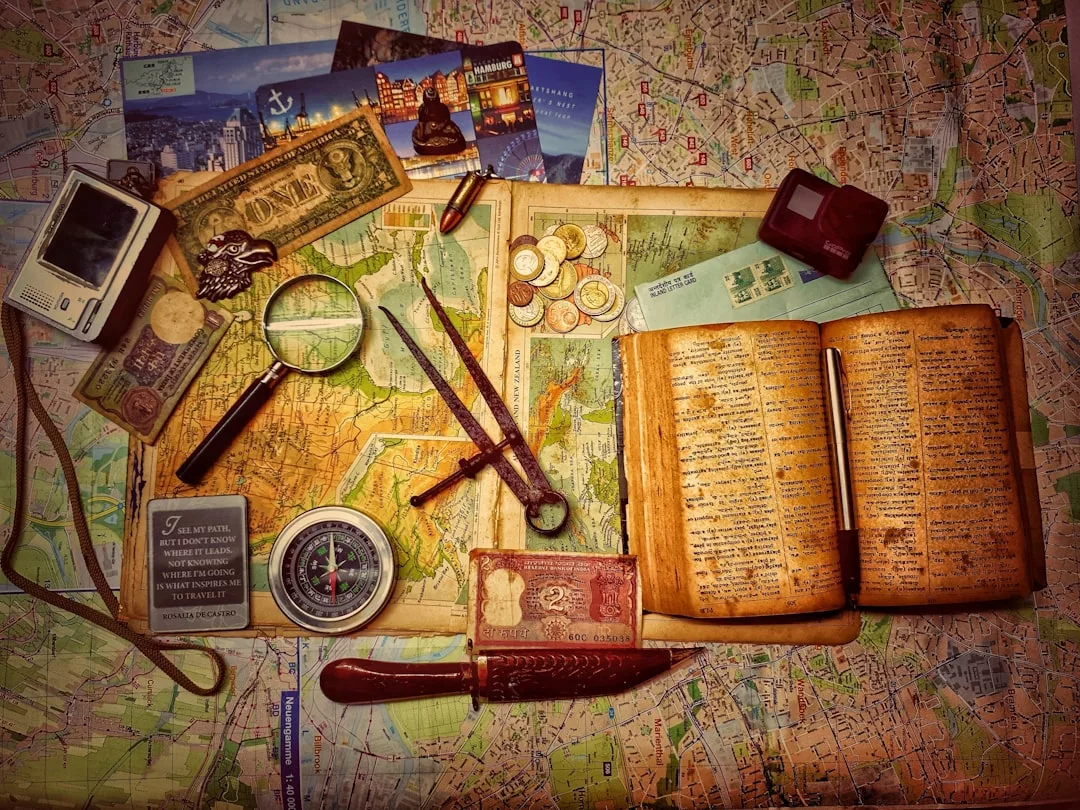

Traveling is a deeply personal experience, and understanding your unique travel style is the first step toward crafting memorable journeys. Some individuals thrive on adventure, seeking out adrenaline-pumping activities like rock climbing, scuba diving, or hiking through rugged terrains. Others may prefer a more leisurely pace, enjoying cultural experiences, culinary delights, and historical explorations.
Identifying whether you are an adventurer, a culture enthusiast, or a relaxation seeker can significantly influence your travel choices, from destinations to activities. Moreover, your travel style can also be shaped by your personality traits. For instance, extroverts may find joy in meeting new people and engaging in group tours, while introverts might prefer solitary explorations or quiet retreats.
Understanding these nuances allows you to tailor your travel experiences to align with your preferences. Consider keeping a travel journal where you document past trips and highlight what you enjoyed most—this can serve as a valuable reference for future adventures.
Key Takeaways
- Understanding your travel style is essential for planning a trip that suits your preferences and needs.
- Researching destinations thoroughly helps in making informed decisions and maximizing your travel experience.
- Setting a realistic budget ensures that you can enjoy your trip without financial stress.
- Creating a flexible itinerary allows for spontaneity and unexpected discoveries while still having a general plan in place.
- Booking accommodations in advance can save time and money, and ensure a comfortable stay during your trip.
Researching Destinations
Once you have a grasp of your travel style, the next step is to research potential destinations that resonate with your interests. The world is vast, and each location offers a unique blend of culture, history, and natural beauty. Utilize various resources such as travel blogs, documentaries, and social media platforms to gather insights about different places.
Websites like TripAdvisor and Lonely Planet provide user-generated reviews and recommendations that can help you gauge the suitability of a destination. In addition to online resources, consider engaging with local tourism boards or travel agencies that specialize in specific regions. They can provide insider tips and lesser-known attractions that may not be highlighted in mainstream travel guides.
For example, if you are drawn to Italy for its rich history and cuisine, researching beyond the popular cities of Rome and Florence could lead you to hidden gems like Matera or the lesser-known regions of Puglia. This thorough research will not only enhance your understanding of potential destinations but also ignite excitement for the journey ahead.
Setting a Realistic Budget
Budgeting is a crucial aspect of travel planning that can make or break your experience. Establishing a realistic budget involves considering various factors such as transportation, accommodation, food, activities, and souvenirs. Begin by determining how much you can afford to spend overall and then break it down into daily expenses.
This approach allows for better financial management throughout your trip. When setting your budget, it’s essential to account for unexpected expenses that may arise during your travels. For instance, consider setting aside a contingency fund for emergencies or spontaneous activities that catch your interest.
Additionally, researching the cost of living in your chosen destination can provide valuable insights into how far your money will stretch. For example, traveling to Southeast Asia can often be more affordable than visiting Western Europe, allowing for a more extended stay or additional activities within the same budget.

Creating a Flexible Itinerary
A well-structured itinerary serves as a roadmap for your travels but should also allow for flexibility. Start by outlining key activities and attractions you wish to experience each day while leaving room for spontaneity. This balance ensures that you have a plan in place but are not overly constrained by it. Flexibility in your itinerary also means being open to changes based on weather conditions or local events. If you find yourself in a city during a festival or concert that piques your interest, don’t hesitate to adjust your plans accordingly.
Embracing this fluidity can lead to unexpected adventures and deeper connections with the places you visit.
Booking Accommodations
Choosing the right accommodations is vital for ensuring comfort during your travels. The options range from luxury hotels to budget hostels and vacation rentals, each catering to different preferences and budgets. When booking accommodations, consider factors such as location, amenities, and guest reviews.
Staying in central areas can save time on transportation and allow for easy access to attractions. Additionally, explore alternative lodging options like Airbnb or local guesthouses that offer unique experiences and insights into local culture. For example, staying with a host family can provide an authentic glimpse into daily life in a foreign country while also supporting local economies.
Always read reviews from previous guests to gauge the quality of service and cleanliness before making a reservation.
Finding Transportation Options
Transportation plays a significant role in shaping your travel experience. Depending on your destination, various options may be available, including public transit systems, rental cars, bicycles, or even walking tours. Researching these options ahead of time can help you navigate unfamiliar areas more efficiently.
In cities with robust public transportation networks like Tokyo or London, utilizing trains and buses can be both economical and convenient. If you plan to explore rural areas or national parks, renting a car may be necessary for greater flexibility and access to remote locations. However, familiarize yourself with local driving laws and conditions before hitting the road.
In some countries, driving styles may differ significantly from what you are accustomed to, so it’s essential to approach this aspect of travel with caution.
Packing Smart
Packing efficiently is an art that can greatly enhance your travel experience. Begin by creating a packing list tailored to your destination’s climate and activities planned. Consider versatile clothing items that can be mixed and matched to create different outfits while minimizing luggage weight.
For instance, lightweight layers are ideal for fluctuating temperatures and can easily be packed into small spaces. Additionally, don’t forget essential items such as travel-sized toiletries, chargers for electronic devices, and any necessary medications. A well-organized packing system can save time during your travels; using packing cubes or compression bags can help keep items sorted and maximize space in your luggage.
Remember that many destinations offer laundry services or facilities, allowing you to pack fewer clothes if needed.
Planning for Emergencies
No matter how meticulously you plan your trip, emergencies can occur at any time. Preparing for unforeseen circumstances is crucial for ensuring safety and peace of mind while traveling. Start by obtaining comprehensive travel insurance that covers medical emergencies, trip cancellations, and lost belongings. Additionally, familiarize yourself with local emergency numbers and healthcare facilities at your destination. Keep copies of important documents such as passports and identification stored separately from the originals in case of loss or theft.
Having a plan in place for emergencies not only protects you but also allows you to focus on enjoying your travels without constant worry.

Making the Most of Your Time
Maximizing your time while traveling involves strategic planning and prioritization of activities that align with your interests. Start each day with a clear idea of what you want to accomplish but remain open to new experiences that may arise spontaneously. Consider using apps or tools that help track time spent at various attractions to ensure you’re making the most of each day.
Engaging with locals can also enhance your experience significantly; they often have insights into hidden gems or off-the-beaten-path activities that tourists might overlook. Whether it’s joining a local cooking class or participating in community events, these interactions can enrich your understanding of the culture while creating lasting memories.
Embracing Spontaneity
While planning is essential for successful travel, embracing spontaneity can lead to some of the most memorable experiences. Allow yourself the freedom to deviate from your itinerary when something unexpected catches your eye—a street performance, an intriguing market stall, or an invitation from locals to join them for dinner can all lead to enriching experiences that enhance your journey. Spontaneity often fosters connections with people and places in ways that rigid plans cannot achieve.
For instance, striking up conversations with fellow travelers at a hostel or joining an impromptu group hike can lead to friendships that last long after the trip ends. By remaining open to new possibilities, you create space for adventure and discovery.
Reflecting and Learning from Your Experiences
After returning from your travels, take time to reflect on your experiences and what you learned along the way. Journaling about your journey can help solidify memories while providing insights into what worked well and what could be improved for future trips. Consider questions such as: What were the highlights of my trip?
Did I step outside my comfort zone? How did I connect with the local culture? This reflection process not only enhances personal growth but also informs future travel decisions.
By analyzing both positive experiences and challenges faced during your travels, you can develop a deeper understanding of yourself as a traveler and refine your approach for future adventures. Ultimately, each journey contributes to a broader tapestry of experiences that shape who you are and how you engage with the world around you.
More in
More from News

News · 15 min
Future of Luxury Fashion: Innovation, Technology, and the Next Frontier
Discover the future of luxury fashion: how AI, blockchain, digital couture, bio-fabricated materials and sustainability are reshaping maisons and the …

News · 15 min
Celebrity Style Guide: Decoding the Fashion of the Famous
Decode celebrity style: how stylists, red carpet partnerships, and social media shape fashion, plus archetypes and tips to build a celebrity-inspired …

News · 14 min
Luxury Lifestyle Guide: Curating the Art of Living Well
Discover the luxury lifestyle as the art of living well: quiet luxury in travel, wine, home design, wardrobe, watches, and wellness, curated with inte…