Jewelry · Jewelry
The Allure of White Gold: A Timeless Elegance
The origins of white gold can be traced back to the early 19th century, when jewelers began experimenting with different alloys to create a metal that would rival platinum and silv…

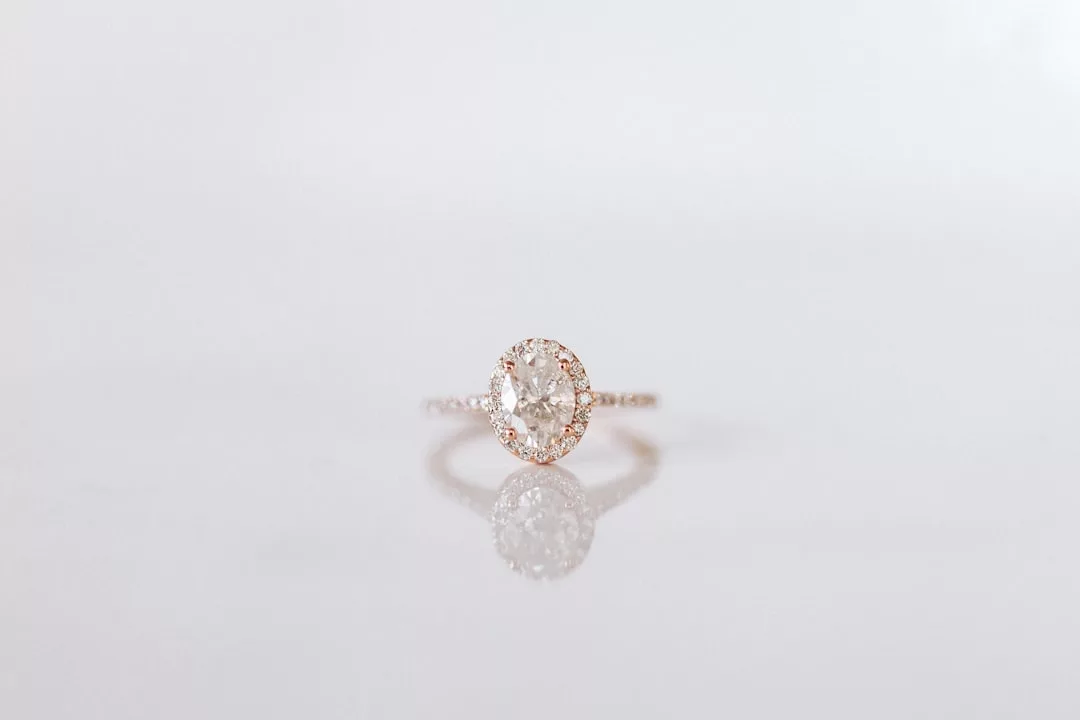

The origins of white gold can be traced back to the early 19th century, when jewelers began experimenting with different alloys to create a metal that would rival platinum and silver in both appearance and durability. The term “white gold” was first used in the 1920s, but the alloy itself had been in use for several decades prior. Initially, white gold was created by mixing yellow gold with metals such as palladium, nickel, or silver, which imparted a silvery hue to the final product.
This innovative approach allowed jewelers to offer a new aesthetic that appealed to consumers seeking a modern alternative to traditional yellow gold. As the popularity of white gold grew, so did the techniques used in its production. By the mid-20th century, white gold had become a staple in the jewelry industry, particularly in the United States and Europe.
The rise of Art Deco and later design movements emphasized geometric shapes and clean lines, which complemented the sleek appearance of white gold. This period also saw the introduction of rhodium plating, a process that further enhanced the luster and durability of white gold jewelry. The combination of these factors solidified white gold’s status as a desirable material for fine jewelry, paving the way for its enduring popularity.
Key Takeaways
- White gold was first popularized in the 1920s as an alternative to platinum during World War II.
- White gold is typically composed of gold, nickel, and palladium, giving it a durable and lustrous finish.
- The appeal of white gold in jewelry lies in its modern and sophisticated look, making it a popular choice for engagement rings and wedding bands.
- White gold’s versatility in fashion allows it to complement a wide range of styles, from classic to contemporary.
- White gold’s timeless elegance and durability make it a popular choice for engagement rings, symbolizing eternal love and commitment.
The Composition and Properties of White Gold
White gold is not a single metal but rather an alloy composed primarily of yellow gold mixed with other metals to achieve its distinctive color and properties. The most common metals used in the creation of white gold include palladium, nickel, silver, and sometimes platinum. The specific composition can vary significantly depending on the desired characteristics of the final product.
For instance, an alloy with a higher percentage of nickel will typically be harder and more durable, while one with more palladium may exhibit a softer, more luxurious feel. The properties of white gold are influenced by its composition. One of the most notable characteristics is its resistance to tarnishing and scratching, particularly when alloyed with metals like palladium or nickel.
This makes white gold an excellent choice for everyday wear items such as rings and bracelets. Additionally, white gold has a unique ability to reflect light, giving it a brilliant shine that enhances the appearance of gemstones set within it. However, it is important to note that the presence of nickel can cause allergic reactions in some individuals, leading to a growing trend toward nickel-free alternatives in recent years.
The Appeal of White Gold in Jewelry
The allure of white gold lies in its sophisticated aesthetic and versatility. Its neutral tone allows it to complement a wide range of gemstones and styles, making it a favored choice among jewelers and consumers alike. Unlike yellow gold, which can sometimes clash with certain colors, white gold provides a harmonious backdrop that enhances the vibrancy of colored stones such as sapphires, emeralds, and rubies.
This adaptability has made white gold a popular choice for various types of jewelry, from engagement rings to statement necklaces. Moreover, white gold’s modern appeal resonates with contemporary design sensibilities. Its sleek and polished finish aligns well with minimalist trends that prioritize clean lines and understated elegance.
As fashion evolves, so too does the perception of what constitutes timeless beauty; white gold embodies this shift by offering a fresh take on classic jewelry styles. The ability to create intricate designs while maintaining durability further cements its status as a go-to material for both traditional and avant-garde pieces.
The Versatility of White Gold in Fashion
White gold’s versatility extends beyond traditional jewelry applications; it has also made significant inroads into the world of fashion accessories. Designers have embraced white gold for its ability to blend seamlessly with various materials and styles. From high-end fashion runways to everyday wear, white gold accents can elevate an outfit, adding a touch of luxury without overwhelming the overall look.
For instance, a simple white gold bracelet can enhance both casual attire and formal wear, making it an essential accessory for any wardrobe. In addition to its compatibility with other materials, white gold can be easily manipulated into various forms and designs. This adaptability allows designers to experiment with textures, finishes, and shapes, resulting in unique pieces that cater to diverse tastes.
Whether it’s a chunky statement ring or delicate filigree earrings, white gold can be crafted to suit any aesthetic preference. This creative freedom has led to an explosion of innovative designs that continue to captivate consumers and redefine contemporary fashion.

The Timeless Elegance of White Gold in Engagement Rings
When it comes to engagement rings, white gold has emerged as a favored choice for couples seeking a blend of tradition and modernity. Its cool tone provides an elegant contrast to diamonds and other precious stones, enhancing their brilliance while maintaining a classic appeal. Many couples appreciate that white gold offers a contemporary twist on the traditional yellow gold setting without straying too far from established norms.
The durability of white gold is another factor contributing to its popularity in engagement rings. Given that these rings are often worn daily, the strength provided by the alloying metals ensures that they can withstand the rigors of everyday life while retaining their beauty over time. Additionally, the option for rhodium plating adds an extra layer of protection against scratches and tarnishing, ensuring that the ring remains as stunning as the day it was given.
This combination of beauty and resilience makes white gold an ideal choice for one of life’s most significant symbols.
The Popularity of White Gold in Modern Jewelry Trends
In recent years, white gold has seen a resurgence in popularity as consumers increasingly gravitate toward modern aesthetics that prioritize simplicity and elegance. Social media platforms like Instagram and Pinterest have played a pivotal role in shaping jewelry trends, showcasing stunning pieces crafted from white gold that resonate with younger generations. Influencers and celebrities often sport white gold jewelry in their daily lives, further solidifying its status as a must-have accessory.
Moreover, the rise of sustainable fashion has prompted many consumers to seek out ethically sourced materials for their jewelry purchases. White gold can be produced using recycled metals or sourced from responsible mining practices, appealing to environmentally conscious buyers who wish to make informed choices about their purchases. This alignment with contemporary values has contributed significantly to the ongoing popularity of white gold in modern jewelry trends.
The Maintenance and Care of White Gold Jewelry
While white gold is known for its durability, proper care is essential to maintain its luster and appearance over time. This gentle approach helps remove dirt and oils that can accumulate on the surface without damaging the rhodium plating or alloy beneath.
It is advisable to avoid harsh chemicals or abrasive materials that could scratch or dull the finish. Over time, rhodium plating can wear off due to regular wear and tear; thus, having pieces re-plated every few years can help maintain their brilliance.
Jewelers often recommend storing white gold items separately from other jewelry to prevent scratching or tangling, ensuring they remain in pristine condition for years to come.
The Symbolism of White Gold in Different Cultures
Throughout history, different cultures have imbued various metals with symbolic meanings, and white gold is no exception. In many Western cultures, white gold is associated with purity and sophistication—qualities that make it particularly appealing for significant life events such as engagements and weddings. The color white itself often symbolizes innocence and new beginnings, aligning perfectly with the sentiments surrounding marriage.
In contrast, some Eastern cultures view white metals as symbols of mourning or loss; thus, their use in jewelry may carry different connotations depending on cultural context. For instance, in certain Asian traditions, wearing white is reserved for funerals rather than celebrations. This duality highlights how perceptions of materials can vary widely across cultures, influencing consumer choices in ways that reflect deeper societal values.

The Ethical Considerations of White Gold
As awareness surrounding ethical sourcing continues to grow within the jewelry industry, consumers are increasingly concerned about the origins of their purchases—white gold included. The mining processes associated with precious metals can have significant environmental impacts and raise ethical questions regarding labor practices in mining regions. As such, many jewelers are now prioritizing transparency by offering ethically sourced or recycled options for their customers.
The rise of lab-grown diamonds has also influenced discussions around ethical considerations in jewelry production. These diamonds are created using advanced technology that mimics natural processes without contributing to environmental degradation or unethical labor practices often associated with traditional diamond mining. As consumers become more informed about these issues, they are likely to seek out jewelry options—such as those made from ethically sourced white gold—that align with their values.
The Investment Value of White Gold Jewelry
Investing in white gold jewelry can be seen as both a financial decision and an emotional one. While precious metals like gold tend to hold intrinsic value over time due to their rarity and demand in various markets, jewelry crafted from these materials often carries additional sentimental worth for its owners. High-quality pieces made from well-crafted white gold can appreciate over time if maintained properly; thus, they may serve as both adornments and valuable assets.
However, potential investors should consider factors such as craftsmanship, brand reputation, and market trends when evaluating the investment potential of specific pieces. Not all white gold jewelry will appreciate equally; designer pieces or those featuring rare gemstones may yield higher returns than mass-produced items. As with any investment decision, thorough research is essential to ensure that one’s choices align with both personal preferences and financial goals.
The Future of White Gold in the Jewelry Industry
Looking ahead, the future of white gold appears promising as trends continue to evolve within the jewelry industry. With increasing consumer demand for sustainable practices and ethical sourcing methods, jewelers are likely to adapt by offering more environmentally friendly options without compromising on quality or aesthetics. Innovations in alloying techniques may also lead to new formulations that enhance durability while minimizing allergic reactions associated with certain metals like nickel.
Furthermore, advancements in technology could pave the way for more intricate designs that push the boundaries of traditional craftsmanship. As 3D printing becomes more prevalent in jewelry production, designers may find new ways to create unique pieces using white gold that were previously unimaginable through conventional methods. This fusion of artistry and technology will likely keep white gold at the forefront of contemporary jewelry trends while ensuring its continued relevance in an ever-changing market landscape.
◦ Good to know
What is white gold made of?
White gold is not a single metal but an alloy of yellow gold mixed with other metals, most commonly palladium, nickel, silver and sometimes platinum. The specific composition affects its characteristics: more nickel makes it harder and more durable, while more palladium gives a softer, more luxurious feel. Rhodium plating often enhances its lustre.
When did white gold become popular?
The origins of white gold trace back to the early 19th century, when jewellers experimented with alloys to rival platinum and silver. The term "white gold" was first used in the 1920s. By the mid-20th century it had become a jewellery staple across the United States and Europe, complemented by Art Deco's clean lines.
Why is white gold popular for jewellery?
White gold's appeal lies in its sophisticated, neutral tone, which complements a wide range of gemstones and styles. It resists tarnishing and scratching, making it excellent for everyday pieces like rings and bracelets, and reflects light for a brilliant shine. Because nickel can cause allergic reactions, nickel-free alternatives have grown increasingly popular.
More in
More from Jewelry
Jewelry · 8 min
Stylish Bar Jewelry: Elevate Your Look
Bar jewelry has emerged as a captivating trend in the world of accessories, captivating fashion enthusiasts and casual wearers alike. Characterized by…

Jewelry · 9 min
Unlocking the Elegance of the Emerald Cut
The emerald cut has a rich and storied history that dates back to the 15th century, originating in the lapidary practices of the Spanish and Portugues…
Jewelry · 9 min
Bangle: A Timeless Fashion Accessory
Bangle jewelry has a rich and diverse history that spans across various cultures and epochs. The origins of bangles can be traced back to ancient civi…