Jewelry · Jewelry
Bangle: A Timeless Fashion Accessory
Bangle jewelry has a rich and diverse history that spans across various cultures and epochs. The origins of bangles can be traced back to ancient civilizations, where they were oft…

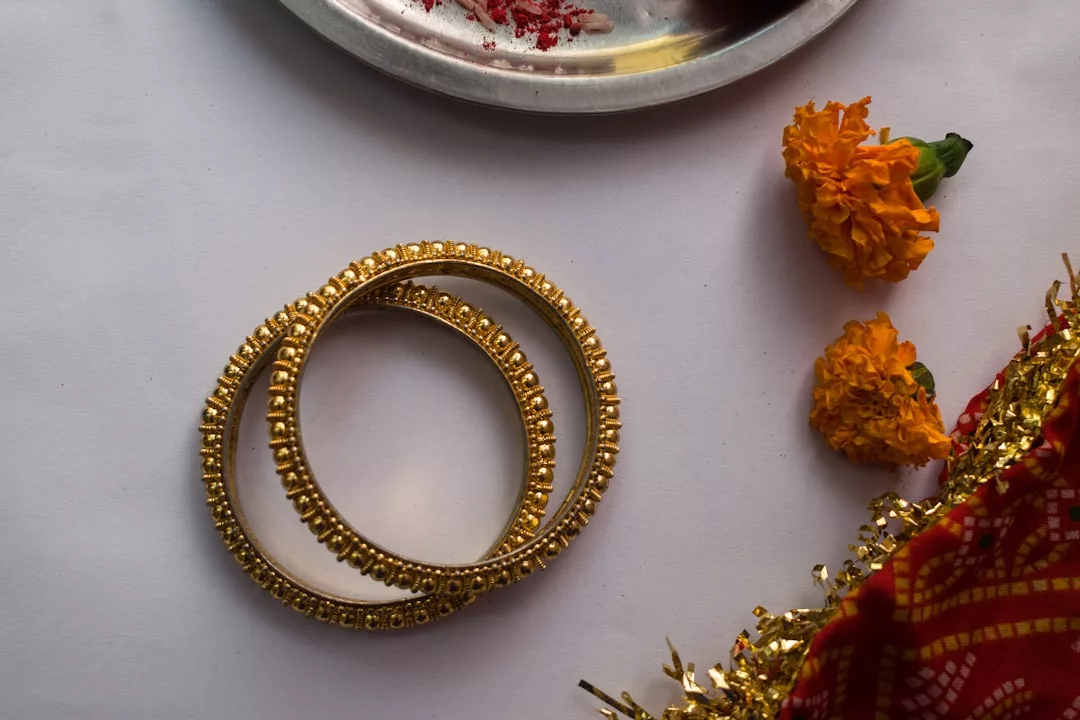

Bangle jewelry has a rich and diverse history that spans across various cultures and epochs. The origins of bangles can be traced back to ancient civilizations, where they were often crafted from materials such as stone, metal, and clay. In India, for instance, bangles have been worn for thousands of years, with archaeological evidence suggesting their use as far back as the Indus Valley Civilization around 2500 BCE.
These early bangles were not merely decorative; they held significant cultural and social meanings, often symbolizing marital status and femininity. The traditional Indian bangle, known as “chudi,” is often made from glass or metal and is an integral part of a bride’s adornment during weddings. In other parts of the world, such as Egypt and Mesopotamia, bangles were also prevalent.
Ancient Egyptians adorned themselves with gold and silver bangles, which were often inscribed with hieroglyphics or symbols of protection. These pieces were not only fashion statements but also served as amulets believed to ward off evil spirits. As trade routes expanded and cultures intermingled, the design and significance of bangles evolved, leading to a plethora of styles that reflect the unique aesthetics of different societies.
The evolution of bangle jewelry is a testament to its enduring appeal and the way it has adapted to changing tastes and cultural influences over millennia.
Key Takeaways
- Bangle jewelry has a rich history dating back to ancient civilizations, with evidence of bangles being worn in Mesopotamia, Egypt, and the Indus Valley.
- There are various types of bangle designs, including solid bangles, cuff bangles, charm bangles, and flexible bangles, each offering a unique style and look.
- Bangle materials have evolved from traditional options like gold, silver, and glass to modern materials such as plastic, wood, and stainless steel, offering a wide range of choices for consumers.
- When wearing bangles, consider mixing and matching different designs, sizes, and materials to create a personalized and stylish look that complements your outfit.
- Bangles hold cultural significance in many societies, with different colors, materials, and designs symbolizing various aspects of life, such as marriage, fertility, and spirituality.
Types of Bangle Designs
Bangles come in an astonishing variety of designs, each reflecting the artistry and craftsmanship of its maker. Traditional designs often feature intricate carvings, engravings, or embellishments that tell a story or convey a specific cultural significance. For example, Kundan bangles from India are known for their elaborate designs that incorporate gemstones set in gold or silver.
These bangles are often worn during festive occasions and weddings, showcasing the wearer’s wealth and status. Similarly, Meenakari bangles are characterized by their vibrant enamel work, which adds a splash of color and intricacy to the piece. Modern bangle designs have embraced minimalism and contemporary aesthetics, appealing to a broader audience.
Sleek metal bangles with geometric shapes or simple cuffs have gained popularity among fashion-forward individuals who prefer understated elegance. Additionally, the rise of personalized jewelry has led to the creation of custom bangles that can be engraved with names, dates, or meaningful symbols. This trend allows wearers to express their individuality while still enjoying the timeless charm of bangle jewelry.
The diversity in bangle designs ensures that there is something for everyone, whether one prefers traditional opulence or modern simplicity.
Bangle Materials: From Traditional to Modern
The materials used in bangle production have evolved significantly over time, reflecting advancements in technology and changes in consumer preferences. Traditionally, bangles were crafted from natural materials such as wood, bone, ivory, and clay. In many cultures, these materials were readily available and allowed artisans to create unique pieces that resonated with local traditions.
For instance, wooden bangles are still popular in various African cultures, where they are often hand-carved with intricate patterns that hold cultural significance. In contrast, modern bangles are frequently made from metals like gold, silver, stainless steel, and even titanium. These materials not only offer durability but also allow for more intricate designs due to their malleability.
Additionally, the introduction of synthetic materials such as acrylic and resin has opened up new avenues for creativity in bangle design. These materials can be molded into various shapes and colors, making them accessible to a wider audience at different price points. The fusion of traditional craftsmanship with modern materials has resulted in a vibrant market for bangles that caters to diverse tastes and budgets.

How to Wear Bangles: Styling Tips
Wearing bangles can elevate an outfit and add a touch of elegance or playfulness depending on how they are styled. One popular approach is to stack multiple bangles together for a bold statement look. This technique allows for mixing different materials and colors, creating a visually striking effect that draws attention to the wrist.
When stacking bangles, it’s essential to consider balance; pairing thicker bangles with thinner ones can create an appealing contrast while maintaining harmony in the overall look. For a more sophisticated appearance, wearing a single statement bangle can be equally effective. A chunky gold cuff or an intricately designed piece can serve as the focal point of an outfit without overwhelming it.
Additionally, considering the occasion is crucial when styling bangles. For formal events, opting for elegant metallic or gemstone-studded bangles can enhance evening wear, while colorful or playful designs may be more suitable for casual outings or festivals. Ultimately, the key to successfully wearing bangles lies in understanding one’s personal style and how different pieces can complement various outfits.
The Cultural Significance of Bangles
Bangles hold profound cultural significance in many societies around the world. In India, for example, they are not just accessories but symbols of marital status and femininity. Traditionally, married women wear red and white bangles as a sign of their commitment to their husbands.
The breaking of these bangles is often associated with widowhood, highlighting their deep-rooted connection to social customs and rituals. Similarly, in some African cultures, bangles are worn during rites of passage ceremonies and are believed to bring good fortune and protection. In other cultures, such as those in the Middle East and Southeast Asia, bangles are often gifted during significant life events like weddings or childbirth.
They serve as tokens of love and blessings from family members and friends. The act of gifting bangles can also signify the strengthening of social bonds within communities. This cultural significance extends beyond mere adornment; it encapsulates traditions, beliefs, and values that have been passed down through generations.
Famous Bangle Designers and Brands
The world of bangle jewelry boasts several renowned designers and brands that have made significant contributions to its evolution. One notable name is Cartier, a luxury brand known for its exquisite craftsmanship and timeless designs. Their iconic Love bracelet has become synonymous with luxury jewelry and is often worn as a symbol of love and commitment.
Cartier’s ability to blend traditional techniques with modern aesthetics has solidified its status as a leader in the jewelry industry. Another prominent figure is Indian designer Sabyasachi Mukherjee, who has redefined traditional Indian jewelry through his unique interpretations of classic designs. His collections often feature intricately designed bangles adorned with precious stones that reflect India’s rich heritage while appealing to contemporary tastes.
Additionally, brands like Tanishq have popularized gold bangles in India by offering a wide range of designs that cater to various occasions and budgets. These designers not only create beautiful pieces but also contribute to the ongoing dialogue about cultural identity and fashion.
Bangle Trends Throughout the Years
Bangle trends have evolved significantly over the decades, influenced by changing fashion sensibilities and cultural shifts. In the 1960s and 1970s, chunky plastic bangles became a staple accessory among youth culture, reflecting the vibrant colors and bold patterns of the era. This trend was characterized by layering multiple bangles in contrasting colors to create a playful look that resonated with the spirit of freedom and self-expression prevalent during that time.
As we moved into the 1980s and 1990s, there was a resurgence of interest in vintage styles, leading to a revival of metal bangles adorned with intricate engravings or gemstones. The minimalist movement in the early 2000s saw a shift towards sleek designs with clean lines, emphasizing simplicity over extravagance. Today’s trends continue to evolve with an emphasis on sustainability; many designers are now creating eco-friendly bangles using recycled materials or ethically sourced gemstones.
This shift reflects a growing awareness among consumers about the environmental impact of fashion choices.
Bangle Etiquette: When and Where to Wear Them
Understanding bangle etiquette is essential for making appropriate fashion choices in various social settings. In formal occasions such as weddings or gala events, wearing elegant gold or diamond-studded bangles is considered appropriate and can enhance one’s overall attire. It’s advisable to choose pieces that complement the outfit without overwhelming it; for instance, pairing delicate bangles with an intricately designed dress can create a harmonious look.
Conversely, casual settings allow for more playful experimentation with bangle styles. Stacking colorful resin or wooden bangles can add a fun element to everyday outfits without appearing overly formal. However, it’s important to consider cultural contexts when wearing bangles; in some cultures, certain styles may carry specific meanings or be reserved for particular occasions.
Being mindful of these nuances ensures that one respects cultural traditions while enjoying the beauty of bangle jewelry.

Bangle Care and Maintenance
Proper care and maintenance are crucial for preserving the beauty and longevity of bangle jewelry. Different materials require specific cleaning methods; for instance, gold or silver bangles can be cleaned using mild soap and water followed by gentle polishing with a soft cloth to restore their shine. It’s advisable to store these pieces separately in soft pouches or lined boxes to prevent scratches or tangling.
For bangles made from more delicate materials like glass or enamel, extra caution is necessary as they may chip or break easily. Avoid exposing them to harsh chemicals or extreme temperatures that could damage their finish. Regularly inspecting your bangles for signs of wear can help catch any potential issues early on; if you notice loose stones or clasps on your pieces, seeking professional repair services can ensure they remain wearable for years to come.
Bangle Symbolism in Different Cultures
Bangles carry diverse symbolic meanings across various cultures worldwide. In Hindu culture, for instance, they symbolize prosperity and well-being; wearing them is believed to bring good fortune to married women. The color red is particularly significant; red bangles are often worn during weddings as they represent love and fertility. They can denote rites of passage or signify membership within certain groups or tribes. In Western cultures, while not traditionally associated with specific meanings like in Eastern societies, bangles have become symbols of personal style and self-expression—often reflecting individual identity through unique designs or personalized engravings.
The Future of Bangle Fashion
As fashion continues to evolve in response to societal changes and technological advancements, the future of bangle jewelry appears promising yet dynamic. With increasing awareness around sustainability in fashion, many designers are exploring eco-friendly materials and ethical production practices when creating new bangle collections. This shift not only caters to environmentally conscious consumers but also encourages innovation within the industry.
Moreover, advancements in technology have opened up exciting possibilities for customization through 3D printing techniques that allow consumers to design their own unique pieces tailored specifically to their preferences—blending traditional craftsmanship with modern technology seamlessly. As global connectivity increases through social media platforms showcasing diverse styles from around the world—bangles will likely continue evolving into versatile accessories that transcend cultural boundaries while celebrating individuality at every turn.

More in
More from Jewelry
Jewelry · 8 min
Stylish Bar Jewelry: Elevate Your Look
Bar jewelry has emerged as a captivating trend in the world of accessories, captivating fashion enthusiasts and casual wearers alike. Characterized by…
Jewelry · 9 min
Unlocking the Elegance of the Emerald Cut
The emerald cut has a rich and storied history that dates back to the 15th century, originating in the lapidary practices of the Spanish and Portugues…

Jewelry · 11 min
Mastering Micro Pavé: The Art of Intricate Jewelry Design
Micro pavé is a sophisticated jewelry setting technique that involves the meticulous placement of small gemstones, typically diamonds, into a metal su…