Jewelry · Jewelry
Master the Art of Tension Setting
Tension setting is a captivating technique in jewelry design that allows gemstones to appear as if they are floating between two metal bands. This method relies on the inherent str…

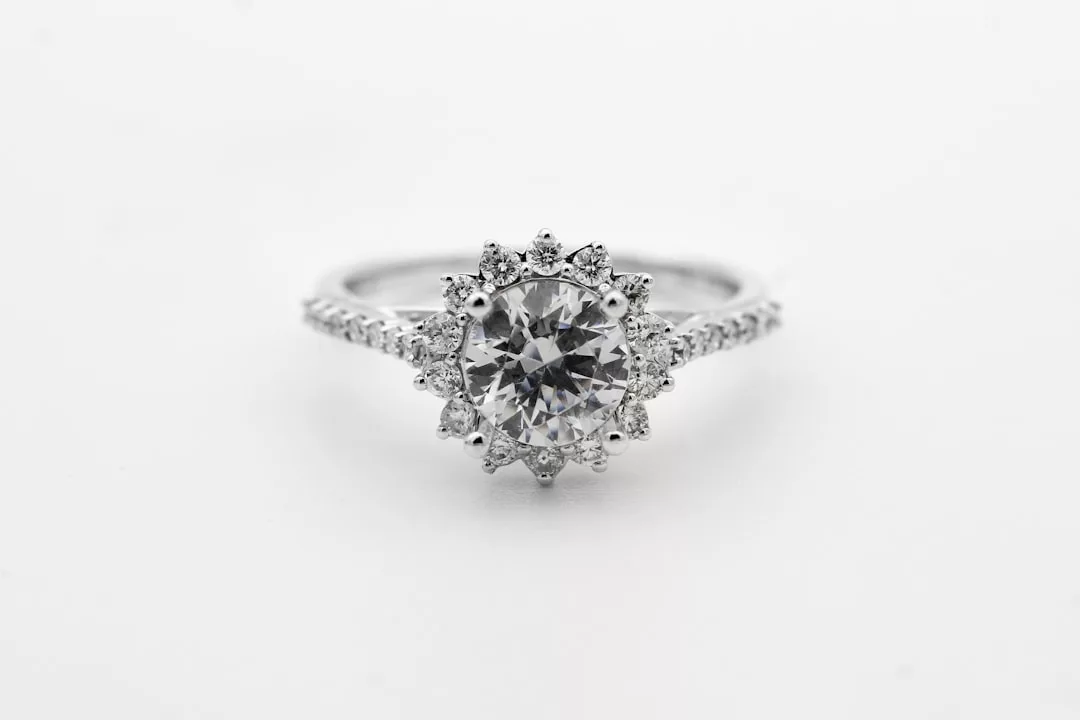

Tension setting is a captivating technique in jewelry design that allows gemstones to appear as if they are floating between two metal bands. This method relies on the inherent strength of the metal to hold the stone securely in place, creating a striking visual effect that emphasizes the gem’s brilliance and color. The tension setting is particularly popular in modern jewelry, where minimalism and clean lines are often favored.
The design not only showcases the stone but also creates an illusion of lightness and airiness, making it a favorite among contemporary jewelers and clients alike. The mechanics of tension setting involve precise engineering and craftsmanship. The metal band is crafted to exert pressure on the gemstone, which is typically cut in a way that maximizes its surface area and allows for optimal light reflection.
This technique requires a deep understanding of both the physical properties of the materials used and the specific characteristics of the gemstones being set. Jewelers must consider factors such as the hardness of the stone, its shape, and how it interacts with the metal to ensure a secure fit without compromising the integrity of either component.
Key Takeaways
- Understanding tension setting is crucial for creating secure and visually appealing jewelry pieces.
- Choosing the right materials, such as durable metals and high-quality gemstones, is essential for successful tension setting.
- Specialized tools and techniques, like laser welding and precision measurement, are key for achieving a precise tension setting.
- Properly preparing the gemstone, including inspecting for flaws and ensuring the right size and shape, is critical for tension setting.
- Following a step-by-step guide and troubleshooting common issues can help achieve a professional finish in tension setting.
Choosing the Right Materials for Tension Setting
Selecting appropriate materials is crucial for successful tension setting. The choice of metal can significantly influence both the aesthetic and functional aspects of the piece. Common metals used in tension settings include platinum, gold (in various karats), and titanium.
Platinum is often favored for its durability and resistance to tarnishing, making it an excellent choice for settings that require long-lasting strength. Gold, particularly in its higher karat forms, offers a warm hue that can enhance the visual appeal of certain gemstones. Titanium, known for its lightweight nature and strength, is increasingly popular in modern designs, especially for men’s jewelry.
Equally important is the selection of gemstones. Not all stones are suitable for tension settings due to their varying hardness and structural integrity. Diamonds are the most commonly used stones in tension settings because of their exceptional hardness and ability to withstand pressure without chipping or breaking.
Other suitable options include sapphires and rubies, which also possess significant durability. However, softer stones like opals or pearls are generally avoided in tension settings due to their susceptibility to damage under pressure. Jewelers must carefully assess each gemstone’s properties to ensure it can withstand the forces exerted by the tension setting.
Tools and Techniques for Tension Setting
The tools required for tension setting are specialized and often differ from those used in traditional setting methods. A jeweler’s toolkit for tension setting typically includes a precision saw, files, pliers, and a specialized tension setting tool that helps create the necessary pressure on the metal band. Additionally, a digital caliper is essential for measuring both the gemstone and the setting accurately, ensuring a perfect fit that maintains the integrity of the design.
Techniques employed in tension setting involve meticulous planning and execution. Jewelers must first create a model or prototype of the piece to determine how the gemstone will fit within the metal band. This often involves creating a wax model or using computer-aided design (CAD) software to visualize the final product.
Once the design is finalized, jewelers will cut and shape the metal band with precision, ensuring that it can accommodate the gemstone while providing adequate tension. The process requires not only technical skill but also an artistic eye to balance functionality with aesthetic appeal.

Preparing the Gemstone for Tension Setting
Preparing a gemstone for tension setting is a critical step that demands careful attention to detail. The first stage involves selecting a stone that meets both aesthetic and structural criteria. Once a suitable gemstone is chosen, it must be cut to specific dimensions that will allow it to fit snugly within the tension setting while maximizing its visual impact.
The cut should enhance the stone’s brilliance; for instance, a round brilliant cut is often preferred for diamonds due to its ability to reflect light effectively. After cutting, the gemstone undergoes polishing to achieve a smooth surface that enhances its luster. This process not only improves the stone’s appearance but also ensures that it fits seamlessly into the metal band without any rough edges that could compromise its security.
Jewelers may also perform tests to assess the stone’s hardness and durability, ensuring it can withstand the pressures of being set in tension without risk of damage.
Step-by-Step Guide to Tension Setting
The process of tension setting involves several precise steps that require both skill and patience. Initially, jewelers begin by crafting the metal band according to the specifications determined during the design phase. This involves cutting and shaping the metal with tools such as a jeweler’s saw and files to create a channel that will hold the gemstone securely. This groove is essential as it allows for even distribution of pressure when the stone is placed in position. After preparing the band, jewelers carefully insert the gemstone into this groove, ensuring it fits snugly without excessive force.
The next step involves applying pressure to secure the stone in place. This can be achieved using specialized tools designed for tension settings, which help apply even pressure around the stone without risking damage. Jewelers must be cautious during this phase, as too much pressure can lead to cracking or chipping of the gemstone.
Once secured, any excess metal around the stone may be polished away to achieve a smooth finish.
Troubleshooting Common Issues in Tension Setting
Despite careful planning and execution, jewelers may encounter common issues during tension setting that require troubleshooting skills. One frequent problem is misalignment of the gemstone within the setting. If a stone appears off-center or tilted after being set, it may need to be removed and repositioned carefully.
Jewelers must ensure that they apply even pressure when securing the stone to avoid this issue. Another challenge can arise from insufficient tension on the gemstone, which may lead to it becoming loose over time. If a stone feels wobbly or unstable after being set, jewelers may need to re-evaluate their technique and adjust the pressure applied during setting.
This may involve using specialized tools designed for tension settings or even reworking parts of the metal band to ensure a secure fit.
Tips for Achieving a Professional Finish in Tension Setting
Achieving a professional finish in tension setting requires attention to detail at every stage of the process. One key tip is to ensure that all surfaces are polished thoroughly before assembling the piece. A well-polished metal band not only enhances its visual appeal but also reduces friction against the gemstone, minimizing wear over time.
Additionally, jewelers should take care when applying pressure during setting; using gradual force rather than sudden pressure can help prevent damage to both the stone and metal band. It’s also beneficial to regularly check alignment throughout the process, making small adjustments as needed to maintain symmetry and balance in design.
Investing in premium metals and gemstones not only elevates the aesthetic quality but also ensures durability and longevity in wear.
Exploring Different Designs for Tension Setting
Tension setting offers an array of design possibilities that cater to various tastes and styles. Traditional designs often feature simple bands with single gemstones prominently displayed; however, contemporary interpretations have expanded this concept significantly. For instance, some jewelers experiment with asymmetrical designs that incorporate multiple stones or unique shapes, creating visually dynamic pieces that challenge conventional aesthetics.
Another trend involves combining different metals within a single piece, such as pairing white gold with rose gold accents or incorporating contrasting textures into the band itself. These innovative approaches allow jewelers to create one-of-a-kind pieces that reflect individual personalities while still adhering to the principles of tension setting. Moreover, custom designs tailored specifically for clients have become increasingly popular in recent years.
Many customers seek personalized jewelry that tells their unique stories or commemorates special occasions; thus, jewelers are often tasked with creating bespoke tension set pieces that resonate on an emotional level.

How to Care for Tension Set Jewelry
Caring for tension set jewelry requires specific considerations due to its unique construction and materials used. Regular cleaning is essential to maintain both appearance and integrity; however, jewelers recommend avoiding harsh chemicals or abrasive cleaners that could damage either metal or gemstone surfaces. Instead, gentle soap solutions combined with soft cloths or brushes are ideal for removing dirt and oils without causing harm.
Additionally, it’s crucial for wearers to be mindful of activities that could expose their jewelry to excessive force or impact; while tension settings are designed for durability, they are not invincible. Removing rings before engaging in strenuous activities such as sports or heavy lifting can help prevent accidental damage. Finally, periodic professional inspections by a jeweler can ensure that any potential issues—such as loosening stones or wear on metal bands—are addressed promptly before they escalate into more significant problems.
Advantages and Disadvantages of Tension Setting
Tension setting presents several advantages that make it an appealing choice for both jewelers and clients alike. One primary benefit is its ability to showcase gemstones prominently without obscuring them with traditional prongs or bezels; this results in an unobstructed view of each stone’s brilliance and color play. Additionally, because there are fewer components involved compared to other settings, tension set pieces often have a sleek and modern aesthetic that aligns well with contemporary design trends.
However, there are also disadvantages associated with this technique that should be considered before committing to a tension set piece. One significant concern is that not all gemstones are suitable for this type of setting; softer stones may be at risk of damage under pressure, limiting options for customization. Furthermore, if not executed correctly by skilled artisans, tension settings can lead to loose stones or even loss of gems over time due to inadequate pressure application.
Pushing the Boundaries of Tension Setting: Innovative Approaches and Trends
As jewelry design continues evolving, so too does the art of tension setting. Innovative approaches are emerging that push traditional boundaries while maintaining core principles associated with this technique. For instance, some designers are experimenting with mixed media by incorporating unconventional materials such as wood or resin alongside traditional metals; these combinations create striking contrasts that challenge conventional notions of luxury jewelry.
Moreover, advancements in technology have enabled jewelers to utilize 3D printing techniques for creating intricate designs that were previously unattainable through traditional methods alone. This allows for greater creativity in crafting unique tension set pieces tailored specifically for individual clients’ preferences. Sustainability has also become an essential consideration within modern jewelry design; many artisans are now sourcing ethically mined gemstones and recycled metals when creating tension set pieces—reflecting growing consumer demand for environmentally responsible practices within luxury markets.
Through these innovative approaches and trends, tension setting remains at the forefront of contemporary jewelry design—continuously evolving while captivating audiences with its unique blend of artistry and engineering prowess.

More in
More from Jewelry
Jewelry · 8 min
Stylish Bar Jewelry: Elevate Your Look
Bar jewelry has emerged as a captivating trend in the world of accessories, captivating fashion enthusiasts and casual wearers alike. Characterized by…
Jewelry · 9 min
Unlocking the Elegance of the Emerald Cut
The emerald cut has a rich and storied history that dates back to the 15th century, originating in the lapidary practices of the Spanish and Portugues…
Jewelry · 9 min
Bangle: A Timeless Fashion Accessory
Bangle jewelry has a rich and diverse history that spans across various cultures and epochs. The origins of bangles can be traced back to ancient civi…