Travel · Travel
Exploring the Wild: Wildlife Safari Adventures
Wildlife safaris evoke a sense of adventure and excitement that few other travel experiences can match. The very word “safari,” derived from the Swahili term for “…

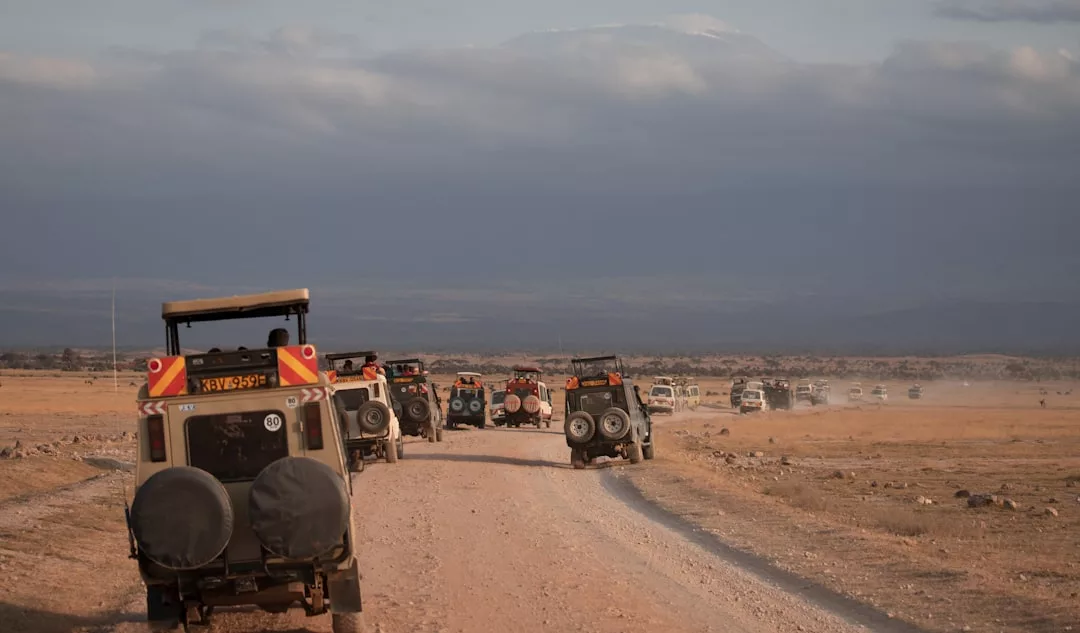

Wildlife safaris evoke a sense of adventure and excitement that few other travel experiences can match. The very word “safari,” derived from the Swahili term for “journey,” conjures images of vast savannahs, majestic elephants, and the thrill of encountering nature in its rawest form. For many, the allure lies not just in the chance to observe animals in their natural habitats but also in the opportunity to connect with the rhythms of the wild.
The sights, sounds, and even the scents of the African bush create an immersive experience that captivates the senses and leaves an indelible mark on the soul. The thrill of a wildlife safari is multifaceted. It encompasses the anticipation of spotting a pride of lions lounging under an acacia tree, the awe of witnessing a herd of wildebeest thundering across the plains during migration, and the serenity found in the quiet moments spent watching a solitary giraffe nibble on treetop leaves.
Each safari is unique, shaped by the landscape, the wildlife, and the unpredictable elements of nature. This unpredictability adds to the excitement, as no two safaris are ever the same. The journey into the wild is not merely about observing animals; it is about experiencing a world that operates on its own terms, where every moment is a reminder of nature’s beauty and power.
Key Takeaways
- Wildlife safaris offer an exhilarating experience to observe animals in their natural habitat, providing a thrilling adventure for nature enthusiasts.
- When choosing a safari destination, consider factors such as the type of wildlife you want to see, the best time to visit, and the level of comfort and luxury you desire.
- Getting up close and personal with big game requires caution and respect for the animals, as well as following the guidance of experienced guides.
- The best times to embark on a wildlife safari depend on the seasonal patterns of animal migrations, weather conditions, and the specific wildlife you want to see.
- Safari accommodations range from luxury lodges to tented camps, each offering a unique experience and level of comfort for travelers.
Choosing the Right Safari Destination: Tips and Recommendations
Selecting the ideal safari destination is crucial for ensuring a fulfilling experience. Africa is home to some of the most renowned safari locations, each offering distinct landscapes and wildlife encounters. The Serengeti in Tanzania is famous for its annual wildebeest migration, while Kenya’s Maasai Mara provides opportunities to witness dramatic predator-prey interactions.
South Africa’s Kruger National Park boasts a diverse range of ecosystems and is known for its accessibility and well-established infrastructure. For those seeking something off the beaten path, Namibia’s Etosha National Park offers unique salt pans and desert-adapted wildlife. When choosing a destination, consider what type of wildlife you are most eager to see.
If big cats are your primary interest, regions like the Okavango Delta in Botswana or the Sabi Sands Game Reserve in South Africa are excellent choices. For birdwatchers, the wetlands of Zambia or the forests of Uganda provide rich avian diversity. Additionally, think about the type of experience you desire—whether it’s a luxury lodge with all amenities or a more rustic tented camp that immerses you in nature.
Researching seasonal wildlife patterns can also guide your decision; for instance, visiting during calving season in February can yield spectacular sightings of young animals.
Getting Up Close and Personal with Big Game: A Guide to Safari Wildlife
One of the most exhilarating aspects of a wildlife safari is the opportunity to encounter big game up close. The term “big game” typically refers to large mammals such as elephants, lions, rhinos, buffalo, and leopards—species that have long captured human fascination. Each of these animals has unique behaviors and habitats that can enhance your safari experience.
For example, elephants are known for their complex social structures and intelligence; observing them interact can provide profound insights into their lives. Leopards, on the other hand, are elusive creatures that often prefer to remain hidden in trees or dense foliage. Spotting one requires patience and keen observation skills, making it a rewarding experience for those who succeed.
Understanding animal behavior can significantly enhance your safari; guides often share fascinating anecdotes about specific animals or families they have tracked over time. This knowledge not only enriches your understanding but also fosters a deeper appreciation for wildlife conservation efforts aimed at protecting these magnificent creatures.

The Best Times to Embark on a Wildlife Safari: Seasonal Considerations
Timing is everything when it comes to wildlife safaris. Different seasons bring varying weather conditions and animal behaviors that can greatly influence your experience. In general, the dry season—typically from May to October—is considered the best time for safaris in many regions of Africa.
During this period, animals congregate around water sources, making them easier to spot. The vegetation is also less dense, providing clearer views of wildlife. However, each season has its own unique advantages.
The wet season, from November to April, brings lush landscapes and vibrant flora, attracting migratory birds and newborn animals. For instance, witnessing wildebeest calves during their first few weeks of life can be an unforgettable experience. Additionally, fewer tourists during this time can lead to a more intimate safari experience.
Safari Accommodations: Luxury Lodges, Tented Camps, and Other Options
The choice of accommodation can significantly impact your safari experience. Options range from opulent lodges with all the modern amenities to rustic tented camps that offer a more immersive connection with nature. Luxury lodges often feature spacious suites with private decks overlooking waterholes or game trails, providing guests with opportunities to observe wildlife from the comfort of their rooms.
Many high-end lodges also offer gourmet dining experiences and spa services, ensuring a lavish retreat after a day spent exploring. On the other hand, tented camps provide a unique opportunity to sleep under canvas while still enjoying comfort and style. These camps often blend seamlessly into their surroundings, allowing guests to feel truly connected to the wilderness.
Some tented camps even offer guided night drives or walking safaris for an added thrill. For those seeking adventure on a budget, self-catering lodges or campsites within national parks can provide an authentic experience without breaking the bank. Ultimately, selecting accommodations that align with your preferences will enhance your overall safari adventure.
What to Pack for a Wildlife Safari: Essential Gear and Clothing
Packing for a wildlife safari requires careful consideration to ensure comfort and practicality while navigating diverse environments. Clothing should be lightweight, breathable, and neutral-colored to blend into the surroundings without startling wildlife. Long-sleeved shirts and pants are advisable for protection against sunburn and insect bites during early morning or late afternoon game drives when temperatures can fluctuate dramatically.
In addition to clothing, essential gear includes binoculars for spotting distant animals and a good-quality camera for capturing memories. A sturdy pair of walking shoes is crucial if you plan on participating in walking safaris or exploring campgrounds. Don’t forget sunscreen and insect repellent; these items are vital for protecting your skin from harsh sun exposure and pesky mosquitoes that may carry diseases like malaria.
A reusable water bottle is also important for staying hydrated during excursions while minimizing plastic waste.
The Role of Conservation in Wildlife Safaris: Sustainable Tourism Practices
Wildlife safaris play a significant role in conservation efforts across Africa by promoting sustainable tourism practices that benefit both local communities and ecosystems. Many safari operators are committed to responsible tourism that prioritizes environmental stewardship and wildlife protection. This commitment often includes supporting anti-poaching initiatives, funding conservation projects, and collaborating with local communities to create economic opportunities through tourism.
Sustainable practices extend beyond conservation efforts; they also encompass minimizing environmental impact during safaris. Many lodges and camps utilize solar power, implement waste recycling programs, and source food locally to reduce their carbon footprint. Travelers can contribute by choosing eco-friendly operators that prioritize sustainability in their operations.
By participating in responsible tourism, visitors not only enjoy incredible wildlife experiences but also help ensure that future generations can appreciate these natural wonders.
Safari Photography Tips: Capturing the Beauty of Wildlife in their Natural Habitat
Photography is an integral part of any wildlife safari experience, allowing travelers to capture stunning images of animals in their natural habitats. To make the most of your photographic opportunities, it’s essential to understand some basic principles of wildlife photography. First and foremost, invest in a good camera with a zoom lens; this will enable you to capture detailed shots from a distance without disturbing the animals.
Timing is crucial when photographing wildlife; early morning or late afternoon light provides soft illumination that enhances colors and textures in your images. Patience is equally important; waiting quietly for an animal to enter your frame can yield breathtaking results. Additionally, consider composition techniques such as the rule of thirds or leading lines to create visually compelling images.
Lastly, respect wildlife by maintaining a safe distance and avoiding flash photography; this ensures both your safety and the well-being of the animals you are observing.

Interacting with Indigenous Communities: Cultural Experiences on Safari
A wildlife safari offers more than just encounters with animals; it also presents opportunities to engage with indigenous communities whose lives are intertwined with the land and its wildlife. Visiting villages or participating in community-led initiatives can provide valuable insights into how indigenous people coexist with nature while preserving their cultural heritage.
These interactions often include traditional dances, storytelling sessions, or demonstrations of crafts such as beadwork or pottery-making. Engaging with local communities not only enriches your travel experience but also supports sustainable development initiatives that empower these populations economically. By participating in cultural exchanges, travelers contribute to preserving indigenous cultures while fostering mutual respect and understanding between visitors and local residents.
The Dangers and Precautions of Wildlife Safaris: Staying Safe in the Wild
While wildlife safaris are thrilling adventures, they come with inherent risks that require awareness and precautionary measures. Animals in their natural habitats can be unpredictable; therefore, it’s essential to follow guidelines set by experienced guides who understand animal behavior and safety protocols. Always remain inside vehicles during game drives unless instructed otherwise by your guide; this ensures both your safety and minimizes stress on wildlife.
In addition to animal encounters, travelers should be mindful of environmental hazards such as extreme weather conditions or rough terrain. Staying hydrated and protecting yourself from sun exposure is crucial during long days spent outdoors. It’s also wise to familiarize yourself with potential health risks associated with specific regions—such as malaria or yellow fever—and take necessary vaccinations or medications before embarking on your journey.
The Future of Wildlife Safaris: Trends and Innovations in Ecotourism
The future of wildlife safaris is evolving as travelers increasingly seek meaningful experiences that prioritize sustainability and conservation efforts. Innovations in ecotourism are shaping how safaris are conducted; for instance, many operators are adopting technology such as drones for monitoring wildlife populations or using mobile apps for tracking animal movements in real-time. These advancements not only enhance guest experiences but also contribute valuable data for conservation research.
Moreover, there is a growing emphasis on community-based tourism initiatives that empower local populations while promoting cultural exchange between visitors and residents. As awareness around environmental issues continues to rise globally, travelers are becoming more discerning about their choices—favoring operators who demonstrate genuine commitment to conservation practices over those focused solely on profit margins. This shift towards responsible tourism ensures that wildlife safaris remain sustainable endeavors that benefit both nature and local communities for generations to come.

More in
More from Travel

Travel · 9 min
Exploring the Ultimate Culinary Experience
The ultimate culinary experience transcends mere sustenance; it is an intricate tapestry woven from flavors, aromas, textures, and visual appeal. This…

Travel · 11 min
Exploring the Best of Paris: A 3-Day Itinerary
The first day in Paris is often a whirlwind of excitement and discovery, as travelers set out to explore the city’s most iconic landmarks. Starting at…

Travel · 8 min
Mastering the Art of Skiing: Tips for Perfecting Your Technique
Selecting the appropriate skiing equipment is a fundamental step for both beginners and seasoned skiers alike. The right gear not only enhances perfor…