Travel · Travel
Exploring the Ultimate Culinary Experience
The ultimate culinary experience transcends mere sustenance; it is an intricate tapestry woven from flavors, aromas, textures, and visual appeal. This experience is not solely abou…

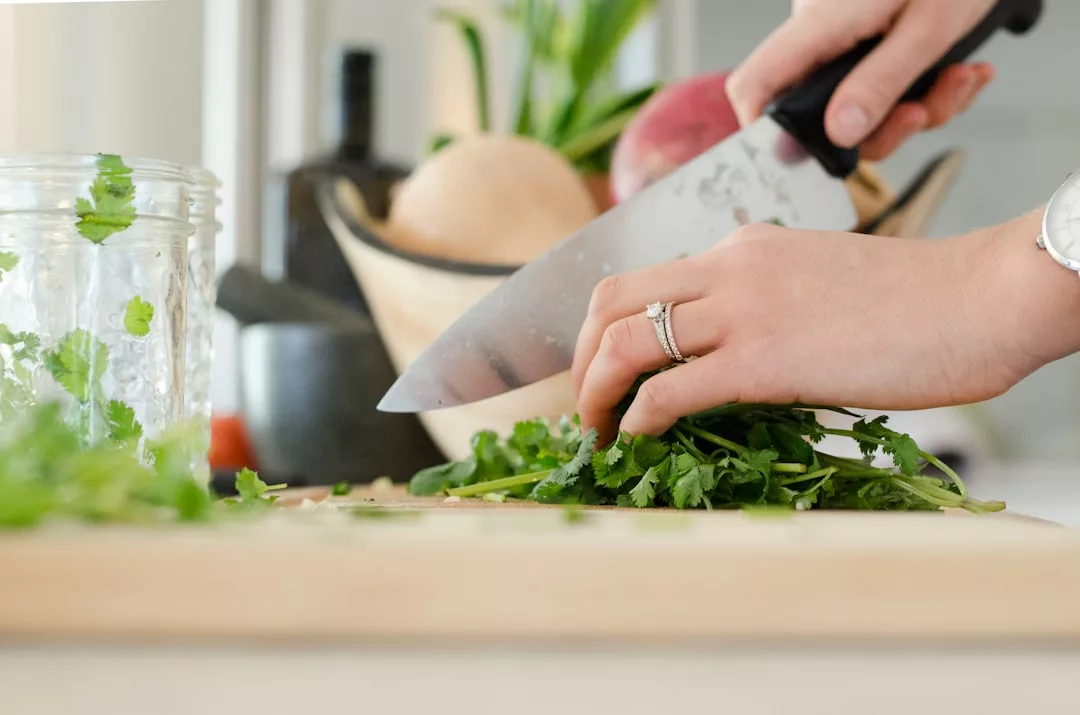

The ultimate culinary experience transcends mere sustenance; it is an intricate tapestry woven from flavors, aromas, textures, and visual appeal. This experience is not solely about the act of eating but encompasses the entire journey from the selection of ingredients to the final presentation on the plate. It invites diners to engage their senses fully, creating a memorable occasion that lingers long after the last bite.
In a world where food has become a central aspect of culture and social interaction, understanding what constitutes this ultimate experience is essential for both chefs and food enthusiasts alike. It is a celebration of creativity and craftsmanship, where each dish tells a story and evokes emotions.
Whether it’s a meticulously crafted dish in a Michelin-starred restaurant or a home-cooked meal shared among family, the essence of this experience lies in its ability to bring people together, fostering a sense of community and belonging through the universal language of food.
Key Takeaways
- Quality ingredients are essential for creating the ultimate culinary experience, as they enhance the flavor and overall enjoyment of the dish.
- Presentation plays a crucial role in enhancing the culinary experience, as it can elevate the visual appeal and make the dish more enticing.
- Cultural influences have a significant impact on culinary experiences, as they bring diversity and unique flavors to the table.
- Pairing food with the right beverages can elevate the overall dining experience, as the combination of flavors can complement and enhance each other.
- Embracing the ultimate culinary experience involves savoring and appreciating the unique and exotic flavors that different cuisines have to offer.
Understanding the Importance of Quality Ingredients
Quality ingredients serve as the foundation upon which exceptional culinary experiences are built. The adage “you are what you eat” rings particularly true in the culinary world, where the freshness, origin, and treatment of ingredients can dramatically influence the final dish. Chefs who prioritize high-quality ingredients often find that their dishes resonate more deeply with diners, as these ingredients carry inherent flavors that can elevate even the simplest preparations.
For instance, a ripe heirloom tomato picked at its peak will offer a sweetness and acidity that far surpasses that of a mass-produced counterpart. Moreover, sourcing ingredients locally not only supports regional farmers but also ensures that produce is harvested at its prime. This practice fosters a connection between the chef and their community, allowing for seasonal menus that reflect the changing landscape of available ingredients.
The farm-to-table movement exemplifies this philosophy, emphasizing transparency in sourcing and encouraging chefs to create dishes that highlight the natural flavors of their ingredients. By understanding and respecting the importance of quality ingredients, chefs can craft dishes that are not only delicious but also meaningful.
Exploring Different Culinary Techniques and Styles
Culinary techniques are as diverse as the cultures they originate from, each offering unique methods for transforming raw ingredients into extraordinary dishes. Techniques such as sous-vide, fermentation, and smoking have gained popularity in recent years, allowing chefs to explore new dimensions of flavor and texture. Sous-vide cooking, for example, involves vacuum-sealing food in a bag and cooking it slowly in a water bath at precise temperatures.
This method ensures that proteins retain their moisture and tenderness while allowing for infusions of flavor that would be difficult to achieve through traditional cooking methods. In addition to modern techniques, traditional cooking styles continue to play a vital role in shaping culinary experiences. Techniques such as braising, roasting, and grilling have stood the test of time for good reason; they bring out the best in ingredients while imparting rich flavors.
Regional styles—such as French haute cuisine, Italian rustic cooking, or Japanese kaiseki—each offer distinct approaches to preparation and presentation. By exploring these various techniques and styles, chefs can create dishes that not only showcase their skills but also pay homage to culinary traditions from around the world.

The Role of Presentation in Enhancing the Culinary Experience
Presentation is an art form in itself, capable of transforming a simple dish into an extraordinary visual feast. The way food is plated can significantly influence a diner’s perception and enjoyment of a meal. A well-presented dish invites curiosity and anticipation, engaging diners before they even take their first bite.
Chefs often employ various techniques—such as layering, garnishing, and using contrasting colors—to create visually striking plates that reflect their culinary vision. Furthermore, presentation extends beyond aesthetics; it can also enhance the sensory experience of dining. For example, serving a dish on a warm plate can help maintain temperature, while using unique serving vessels can add an element of surprise.
The arrangement of components on the plate can guide diners through the meal, encouraging them to savor each element individually or in combination. Ultimately, thoughtful presentation elevates the dining experience by appealing to both sight and taste, creating a holistic encounter that lingers in memory.
The Impact of Cultural Influences on Culinary Experiences
Culinary experiences are deeply intertwined with culture, reflecting historical traditions, regional ingredients, and social practices. Each culture brings its own unique flavors and techniques to the table, resulting in an incredible diversity of culinary expressions worldwide. For instance, Indian cuisine is characterized by its bold use of spices and complex flavor profiles, while Italian cooking emphasizes simplicity and quality ingredients.
These cultural influences shape not only what we eat but also how we eat—whether it’s communal dining practices in Mediterranean cultures or the meticulous rituals surrounding Japanese tea ceremonies. Moreover, globalization has led to an exciting fusion of culinary traditions, where chefs blend elements from different cultures to create innovative dishes that challenge conventional boundaries. This cross-pollination of ideas has given rise to new culinary movements such as “New American” cuisine or “Cal-Asian” fare, which celebrate diversity while honoring traditional roots.
By embracing cultural influences in their cooking, chefs can create unique culinary experiences that resonate with diners on multiple levels—inviting them to explore new flavors while appreciating the rich tapestry of global gastronomy.
The Importance of Pairing Food with the Right Beverages
The art of pairing food with beverages is an essential aspect of enhancing the overall culinary experience. Whether it’s wine, beer, cocktails, or non-alcoholic options like tea or coffee, the right beverage can elevate a dish by complementing or contrasting its flavors. For example, a crisp Sauvignon Blanc can enhance the freshness of a seafood dish by mirroring its acidity and brightness.
Conversely, a rich Cabernet Sauvignon may provide depth when paired with a hearty steak, creating a harmonious balance on the palate. Understanding flavor profiles is crucial when considering beverage pairings. Sweetness can soften acidity or bitterness; acidity can cut through richness; and tannins can add structure to a dish.
Chefs and sommeliers often collaborate to curate thoughtful pairings that enhance each course of a meal. Additionally, innovative mixologists are increasingly crafting cocktails designed specifically to complement culinary creations—using fresh herbs, spices, and artisanal ingredients to create drinks that resonate with the flavors on the plate. This synergy between food and beverage not only enriches the dining experience but also encourages diners to explore new taste combinations.

Exploring Unique and Exotic Flavors
The exploration of unique and exotic flavors is one of the most exciting aspects of contemporary cuisine. As global travel becomes more accessible and cultural exchange flourishes, chefs are increasingly inspired by lesser-known ingredients from around the world. Ingredients such as sumac from Middle Eastern cuisine or yuzu from Japanese cooking are making their way into mainstream culinary practices, offering diners new taste experiences that challenge their palates.
Incorporating these exotic flavors requires not only creativity but also an understanding of how they interact with familiar ingredients. For instance, using harissa—a North African chili paste—can add depth and complexity to traditional dishes like roasted vegetables or grilled meats. Similarly, incorporating spices like za’atar or cardamom can transform everyday recipes into extraordinary culinary creations.
By embracing unique flavors from diverse cultures, chefs can craft dishes that are not only innovative but also tell a story about global gastronomy.
The Art of Tasting and Savoring Culinary Creations
Tasting is an art form that goes beyond simply consuming food; it involves engaging all senses to fully appreciate the nuances of flavor and texture present in each dish. The act of savoring encourages diners to slow down and immerse themselves in their culinary experience rather than rushing through meals. This mindful approach allows individuals to identify subtle notes—such as hints of citrus in a sauce or the smokiness in grilled meats—that might otherwise go unnoticed.
Chefs often design tasting menus specifically to guide diners through a curated journey of flavors and textures. These menus typically feature smaller portions that allow guests to sample a variety of dishes without overwhelming their palates. Each course is thoughtfully crafted to build upon the previous one, creating an evolving narrative throughout the meal.
By encouraging diners to engage with their food on a deeper level—through tasting notes or suggested pairings—chefs foster an appreciation for the artistry involved in culinary creation.
The Influence of Technology on the Culinary Experience
Technology has revolutionized many aspects of our lives, including how we approach cooking and dining experiences. From advanced kitchen appliances like sous-vide machines and induction cooktops to apps that help track dietary preferences or suggest recipes based on available ingredients, technology has made cooking more accessible than ever before. Chefs are now able to experiment with precision cooking techniques that were once reserved for professional kitchens—allowing home cooks to achieve restaurant-quality results.
Moreover, technology has transformed how we experience dining out. Online reservations systems streamline booking processes while review platforms provide diners with insights into restaurants before they arrive. Social media has become an essential tool for chefs to showcase their creations visually—allowing them to connect with audiences worldwide and share their culinary journeys in real-time.
Understanding the Role of Sustainability in Culinary Practices
Sustainability has become an increasingly important consideration within the culinary world as awareness grows regarding environmental issues related to food production and consumption. Chefs are now more conscious than ever about sourcing ingredients responsibly—prioritizing local produce, sustainable seafood practices, and ethically raised meats. This commitment not only supports local economies but also reduces carbon footprints associated with transportation.
In addition to sourcing practices, many chefs are adopting zero-waste philosophies in their kitchens—finding creative ways to utilize every part of an ingredient rather than discarding scraps. Techniques such as pickling vegetable trimmings or using bones for stock exemplify this approach while minimizing waste generated during food preparation. By embracing sustainability within their culinary practices, chefs contribute positively toward environmental stewardship while inspiring diners to make more conscious choices about their own food consumption.
Embracing the Ultimate Culinary Experience
The ultimate culinary experience is an intricate interplay between quality ingredients, innovative techniques, cultural influences, thoughtful pairings, and sustainability practices—all culminating in memorable moments shared around the table. As we continue to explore new flavors and embrace diverse culinary traditions from around the globe, we deepen our appreciation for food as both nourishment and art form. By engaging fully with our dining experiences—through tasting mindfully or supporting sustainable practices—we can cultivate a richer understanding of what it means to truly savor every bite while celebrating our shared humanity through cuisine.

More in
More from Travel

Travel · 11 min
Exploring the Best of Paris: A 3-Day Itinerary
The first day in Paris is often a whirlwind of excitement and discovery, as travelers set out to explore the city’s most iconic landmarks. Starting at…

Travel · 8 min
Mastering the Art of Skiing: Tips for Perfecting Your Technique
Selecting the appropriate skiing equipment is a fundamental step for both beginners and seasoned skiers alike. The right gear not only enhances perfor…

Travel · 8 min
Ultimate Camping Guide: Tips for a Memorable Outdoor Adventure
When embarking on a camping adventure, the right gear and equipment can make all the difference between a memorable experience and a challenging ordea…