Travel · Travel
Exploring the Great Outdoors: Trekking Adventures
Trekking offers a multitude of benefits that extend far beyond the physical exertion involved. Engaging in this outdoor activity can significantly enhance cardiovascular health, im…

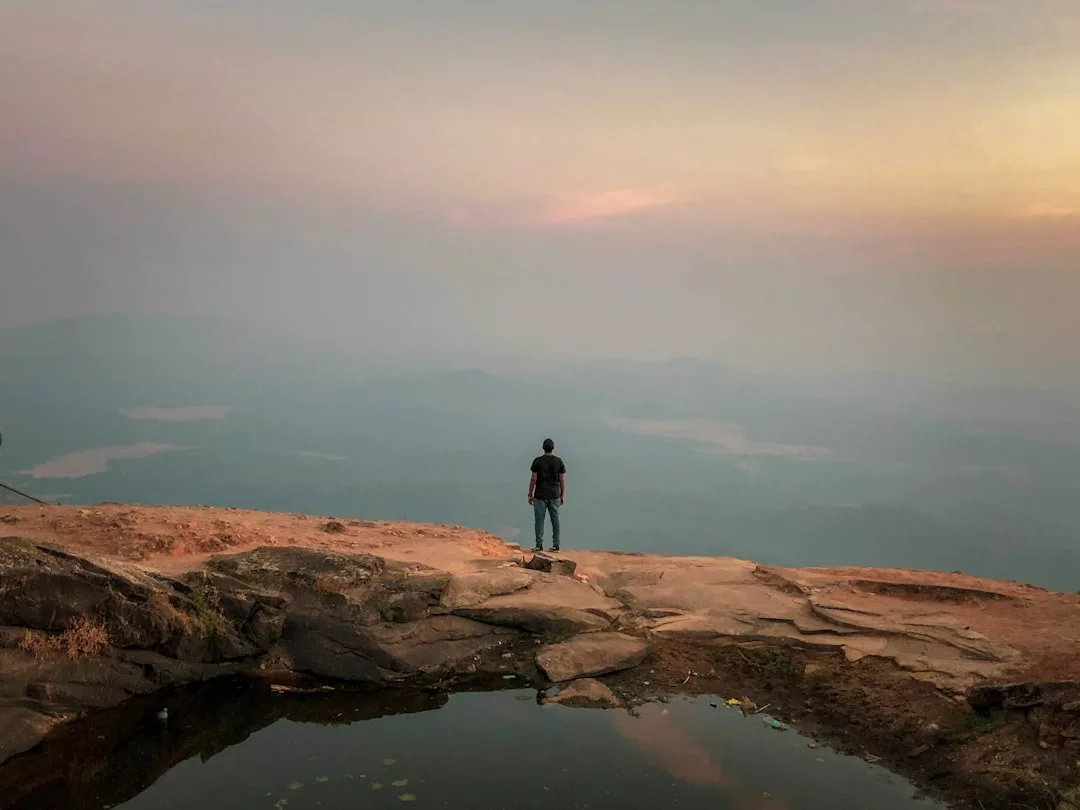

Trekking offers a multitude of benefits that extend far beyond the physical exertion involved. Engaging in this outdoor activity can significantly enhance cardiovascular health, improve muscle strength, and boost overall endurance. The rhythmic motion of walking on varied terrains engages different muscle groups, promoting better balance and coordination.
Studies have shown that regular trekking can lower the risk of chronic diseases such as heart disease, diabetes, and obesity. Furthermore, the act of trekking often involves ascending and descending hills, which can provide an excellent workout for the legs and core, leading to improved fitness levels over time. Beyond the physical advantages, trekking is also a powerful tool for mental well-being.
The natural environment has been shown to reduce stress levels, enhance mood, and improve cognitive function. Being surrounded by nature can evoke feelings of tranquility and peace, allowing trekkers to disconnect from the hustle and bustle of daily life. Research indicates that spending time outdoors can lead to decreased symptoms of anxiety and depression.
The combination of physical activity and exposure to nature creates a unique synergy that fosters mental clarity and emotional resilience. Trekking can also serve as a form of mindfulness practice, where individuals focus on their surroundings, breathing, and the rhythm of their steps, promoting a sense of presence and awareness.
When embarking on a trekking adventure, having the right gear is crucial for both safety and comfort. A sturdy pair of trekking boots is perhaps the most important piece of equipment. These boots should provide adequate ankle support, traction, and waterproofing to handle various terrains and weather conditions.
Additionally, moisture-wicking socks are essential to prevent blisters and keep feet dry during long hikes. Trekking poles can also be beneficial, especially on steep or uneven trails, as they help distribute weight and reduce strain on the knees. In addition to footwear, appropriate clothing is vital for a successful trek.
Layering is key; wearing moisture-wicking base layers, insulating mid-layers, and waterproof outer layers allows trekkers to adapt to changing weather conditions. A good-quality backpack is necessary for carrying essentials such as water, food, first aid supplies, and navigation tools. Hydration systems or water bottles should be easily accessible to ensure trekkers stay hydrated throughout their journey.
Other essential items include a map and compass or GPS device, a multi-tool or knife, a headlamp or flashlight for visibility in low-light conditions, and a first aid kit tailored to the specific needs of the trek.
Selecting the right trail is a critical step in ensuring an enjoyable trekking experience. Beginners should seek out well-marked trails with moderate elevation changes and manageable distances. National parks often provide excellent options for novice trekkers, featuring established paths that are maintained for safety.
For those with more experience, challenging trails with rugged terrain or significant elevation gain can provide a rewarding test of skill and endurance. It’s essential to assess personal fitness levels and choose trails that align with one’s capabilities to avoid injury or exhaustion. Interests also play a significant role in trail selection.
Some trekkers may be drawn to scenic vistas, while others might prefer trails that lead through dense forests or along rivers. Researching the flora and fauna of potential trails can enhance the trekking experience by providing opportunities for wildlife observation or photography. Additionally, considering the season is important; certain trails may be more accessible during specific times of the year due to weather conditions or seasonal closures.
Online resources, guidebooks, and local trekking communities can provide valuable insights into trail conditions and recommendations tailored to individual preferences.
Safety should always be a top priority when trekking in remote areas. One of the most critical precautions is to inform someone about your trekking plans before heading out. This includes sharing your intended route, estimated return time, and any emergency contact information.
In case of an unexpected situation, having someone aware of your whereabouts can be invaluable for search and rescue efforts. Additionally, it’s wise to carry a fully charged mobile phone or satellite communication device for emergencies, although one should not rely solely on technology as signal coverage may be limited in remote areas.
Before setting out, trekkers should check forecasts for their destination and be prepared for sudden changes in weather. Carrying extra layers of clothing can help mitigate risks associated with temperature drops or rain. It’s also essential to recognize signs of fatigue or dehydration during the trek; taking regular breaks and consuming water and snacks can help maintain energy levels.
Familiarizing oneself with basic first aid skills can also be beneficial in case of minor injuries or ailments encountered on the trail. Physically, individuals should engage in regular cardiovascular exercises such as running, cycling, or swimming to build endurance. Strength training focusing on the legs, core, and upper body can enhance overall fitness levels and prepare muscles for the demands of trekking.
Incorporating practice hikes into training routines allows trekkers to acclimate to longer distances while testing their gear and adjusting their packing strategies. Mental preparation is equally important; visualizing the trek can help build confidence and reduce anxiety about potential challenges. Setting realistic goals for each day of the trek can provide motivation while allowing trekkers to enjoy their surroundings without feeling rushed.
Practicing mindfulness techniques such as deep breathing or meditation can also help cultivate a positive mindset before embarking on an adventure. Engaging with fellow trekkers or joining local hiking groups can provide additional support and encouragement during preparation.
As outdoor enthusiasts, trekkers have a responsibility to protect the natural environments they explore. Practicing Leave No Trace principles is essential for minimizing environmental impact while enjoying nature. This includes planning ahead by researching trails and understanding regulations regarding camping and fires in specific areas.
Trekkers should always stick to established paths to prevent soil erosion and protect fragile ecosystems from damage caused by foot traffic. Proper waste disposal is another critical aspect of environmental awareness while trekking. Trekkers should carry out all trash, including food scraps and biodegradable materials that may disrupt local wildlife if left behind.
In areas where toilets are not available, it’s important to follow guidelines for human waste disposal by burying waste at least six inches deep and at least 200 feet away from water sources. Additionally, using biodegradable soap when washing dishes or bathing helps minimize chemical pollution in natural water bodies.
Encountering wildlife while trekking can be one of the most exhilarating aspects of outdoor adventures; however, it’s crucial to approach these encounters with caution and respect. Understanding local wildlife behavior is essential; for instance, knowing how to react when encountering bears or snakes can significantly reduce risks associated with wildlife interactions. Trekkers should always maintain a safe distance from animals and avoid feeding them, as this can alter their natural behaviors and create dangerous situations.
Carrying bear spray in bear country is advisable as a precautionary measure against potential encounters with these large mammals. It’s also important to make noise while hiking—talking or clapping—can alert wildlife to human presence, reducing the likelihood of surprise encounters. If an animal approaches too closely or displays aggressive behavior, remaining calm and backing away slowly without turning your back is crucial.
Educating oneself about local wildlife through guidebooks or ranger-led programs can enhance understanding and appreciation of these creatures while ensuring safe interactions.
Navigating through unfamiliar terrain requires a combination of skills and tools that every trekker should master before heading out into the wilderness. A topographic map provides valuable information about elevation changes, water sources, trails, and landmarks that can aid in navigation. Learning how to read maps effectively involves understanding contour lines, symbols, and scales that indicate distances between points on the map.
In addition to maps, a compass is an indispensable tool for navigation in remote areas where GPS signals may be unreliable or unavailable. Familiarizing oneself with compass basics—such as orienting the map using magnetic north—can enhance navigational skills significantly. Practicing these skills during local hikes can build confidence in using maps and compasses effectively before embarking on longer treks where navigation becomes more critical.
Planning a multi-day trek requires careful consideration of various factors including route selection, camping logistics, food preparation, and gear management. When choosing a route for an extended trek, it’s essential to assess daily mileage based on fitness levels while factoring in elevation changes that may affect travel time. Researching campsites along the route ensures trekkers have safe places to rest each night while adhering to regulations regarding camping locations.
Meal preparation plays a significant role in maintaining energy levels during multi-day treks; lightweight cooking equipment such as portable stoves or campfires can facilitate meal preparation in remote areas. Opting for dehydrated meals or energy-dense snacks allows trekkers to minimize pack weight while ensuring adequate nutrition throughout their journey. Planning meals ahead of time helps streamline cooking processes at campsites while reducing food waste by ensuring all ingredients are used efficiently.
Trekking etiquette is essential for fostering positive interactions among hikers while preserving the integrity of natural spaces. One fundamental guideline is yielding the right-of-way; hikers traveling uphill generally have priority over those descending since they may have less momentum to navigate steep sections safely. Additionally, maintaining noise levels at a minimum allows everyone to enjoy the tranquility of nature without disturbances from loud conversations or music.
Respecting fellow trekkers also involves keeping trails clean by packing out trash and minimizing disruptions caused by pets or other distractions. When encountering others on narrow paths, stepping aside allows everyone to pass comfortably without feeling rushed or crowded. Engaging positively with fellow hikers through greetings or sharing trail tips fosters camaraderie among outdoor enthusiasts while enhancing everyone’s experience on the trail.
The world is replete with breathtaking trekking destinations that cater to diverse interests and skill levels. The Inca Trail in Peru stands out as one of the most iconic treks globally; this ancient path leads adventurers through stunning landscapes dotted with archaeological sites culminating at Machu Picchu—an awe-inspiring testament to Incan civilization nestled high in the Andes Mountains. The combination of rich history combined with breathtaking scenery makes this trek an unforgettable experience.
Another remarkable destination is Torres del Paine National Park in Chilean Patagonia; its dramatic granite peaks rise majestically above turquoise lakes surrounded by lush valleys teeming with wildlife such as guanacos and condors. The W Trek within this park offers trekkers an opportunity to witness some of nature’s most stunning vistas while experiencing diverse ecosystems ranging from glaciers to forests within just a few days’ journey. In Asia, Nepal’s Annapurna Circuit presents an extraordinary blend of cultural immersion alongside breathtaking mountain scenery; trekkers traverse traditional villages inhabited by Gurung people while enjoying panoramic views of some of the highest peaks on Earth including Annapurna I—one of the most challenging summits globally—creating an unforgettable adventure filled with both physical challenges as well as cultural enrichment along every step taken through this majestic landscape.
These destinations exemplify just a fraction of what awaits those who seek adventure through trekking; each location offers unique experiences shaped by its geography, culture, history—and ultimately—the spirit of exploration that drives individuals into nature’s embrace across our planet’s diverse terrains.

More in
More from Travel

Travel · 9 min
Exploring the Ultimate Culinary Experience
The ultimate culinary experience transcends mere sustenance; it is an intricate tapestry woven from flavors, aromas, textures, and visual appeal. This…
Travel · 11 min
Exploring the Best of Paris: A 3-Day Itinerary
The first day in Paris is often a whirlwind of excitement and discovery, as travelers set out to explore the city’s most iconic landmarks. Starting at…
Travel · 8 min
Mastering the Art of Skiing: Tips for Perfecting Your Technique
Selecting the appropriate skiing equipment is a fundamental step for both beginners and seasoned skiers alike. The right gear not only enhances perfor…