Travel · Travel
Exploring the Depths: The Thrill of Scuba Diving
The origins of scuba diving can be traced back to ancient civilizations, where early divers utilized rudimentary tools to explore underwater environments. The Greeks and Romans, fo…

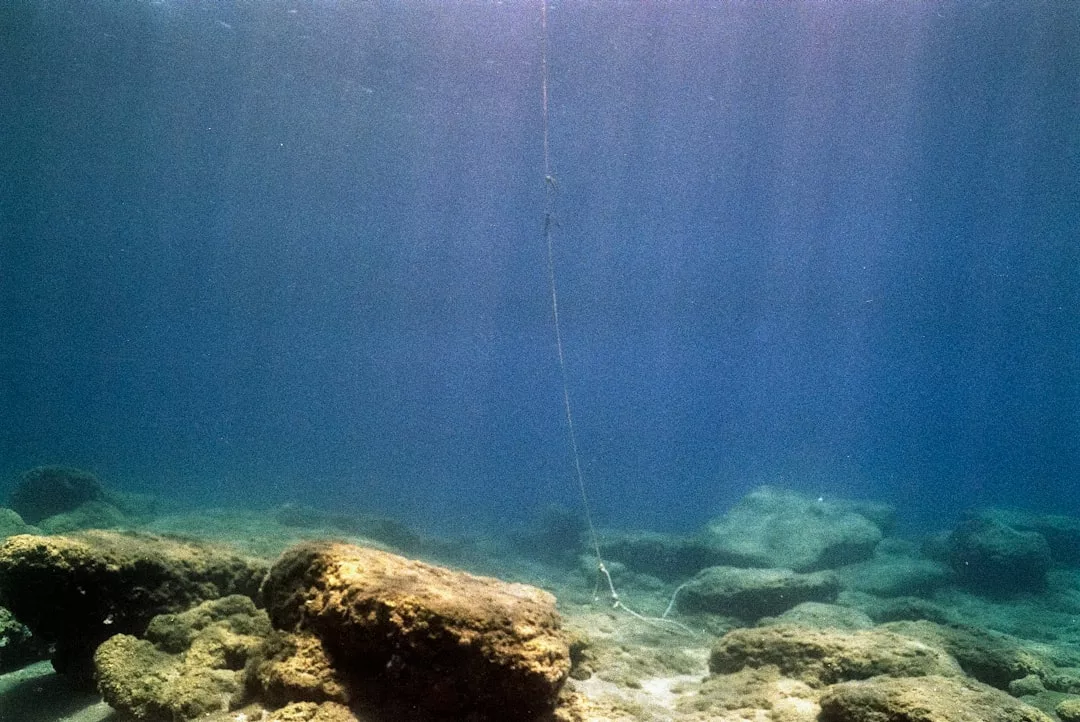

The origins of scuba diving can be traced back to ancient civilizations, where early divers utilized rudimentary tools to explore underwater environments. The Greeks and Romans, for instance, employed hollow reeds to breathe while gathering sponges and other marine resources. However, it wasn’t until the 19th century that significant advancements were made in diving technology.
In 1825, the first modern diving suit was developed by the British inventor William Beebe, which allowed divers to descend deeper and stay submerged longer than ever before. This marked a pivotal moment in the evolution of underwater exploration. The term “scuba” itself is an acronym for “Self-Contained Underwater Breathing Apparatus,” and its modern incarnation began to take shape during World War
Key Takeaways
- Scuba diving has a rich history dating back to the 16th century when divers used primitive equipment to explore the underwater world.
- The basics of scuba diving include learning how to breathe underwater using a regulator, equalizing pressure, and mastering buoyancy control.
- Essential scuba diving equipment includes a mask, fins, wetsuit, buoyancy control device (BCD), regulator, and dive computer.
- Safety precautions for scuba diving involve proper training, thorough equipment checks, buddy diving, and adherence to dive tables and limits.
- Scuba diving offers numerous benefits such as stress relief, physical fitness, and the opportunity to explore breathtaking underwater landscapes and marine life.
The development of the Aqua-Lung by Jacques Cousteau and Émile Gagnan in 1943 revolutionized recreational diving.
This device allowed divers to breathe compressed air from tanks, enabling them to explore the ocean depths with unprecedented freedom. Cousteau’s subsequent documentaries and books popularized scuba diving, transforming it from a niche activity into a mainstream pursuit enjoyed by millions around the globe.The Basics of Scuba Diving
Scuba diving is an exhilarating activity that allows individuals to explore the underwater world while breathing comfortably through a regulator connected to a tank of compressed air. The fundamental principle behind scuba diving is buoyancy control, which enables divers to ascend, descend, and maintain their desired depth. Divers must learn to equalize pressure in their ears as they descend, a technique that involves pinching the nose and gently blowing to equalize the pressure in the middle ear with the surrounding water pressure.
Before embarking on a dive, divers undergo training to understand the principles of physics and physiology that govern underwater behavior. This includes learning about the effects of pressure on the body, understanding how to manage air consumption, and recognizing the signs of decompression sickness. Additionally, divers are taught how to communicate underwater using hand signals, as verbal communication is impossible due to the water’s density.
Mastering these basics is essential for ensuring a safe and enjoyable diving experience.
The Equipment Needed for Scuba Diving
The equipment required for scuba diving is designed to ensure safety and enhance the overall experience. At the core of scuba gear is the wetsuit or drysuit, which provides thermal protection against cold water temperatures. Wetsuits are made from neoprene and allow a thin layer of water to enter, which is then warmed by body heat.
Drysuits, on the other hand, are sealed and keep the diver completely dry, making them ideal for colder environments. Another critical component of scuba gear is the buoyancy control device (BCD), which allows divers to adjust their buoyancy while underwater. The BCD is equipped with air bladders that can be inflated or deflated using a regulator, enabling divers to ascend or descend with ease.
Additionally, divers use regulators that reduce high-pressure air from their tanks to a breathable level. A dive computer or depth gauge is also essential for monitoring depth and time spent underwater, helping divers avoid decompression sickness by adhering to safe ascent rates.

Safety Precautions for Scuba Diving
Safety is paramount in scuba diving, and divers must adhere to strict protocols to minimize risks associated with underwater exploration. One of the most critical safety measures is proper training through accredited organizations such as PADI (Professional Association of Diving Instructors) or SSI (Scuba Schools International). These organizations provide comprehensive courses that cover essential skills, emergency procedures, and equipment handling.
Divers should always dive with a buddy, as having a partner enhances safety through mutual support and assistance in case of emergencies. Pre-dive checks are also crucial; divers should inspect their equipment thoroughly before entering the water.
Additionally, divers must be aware of their physical condition and avoid diving when fatigued or under the influence of alcohol or drugs.
The Benefits of Scuba Diving
Scuba diving offers numerous benefits that extend beyond mere recreation. Physically, it provides an excellent workout as divers engage various muscle groups while swimming against currents and maneuvering through underwater landscapes. The resistance of water makes every movement more challenging than on land, promoting cardiovascular fitness and muscle strength.
Mentally, scuba diving serves as a form of meditation for many individuals. The serene underwater environment fosters relaxation and mindfulness, allowing divers to escape the stresses of daily life. The act of focusing on breathing and navigating through vibrant coral reefs or shipwrecks can lead to a profound sense of peace and connection with nature.
Furthermore, scuba diving encourages environmental awareness; many divers become passionate advocates for marine conservation after witnessing firsthand the beauty and fragility of underwater ecosystems.
Popular Scuba Diving Destinations
The world is dotted with breathtaking scuba diving destinations that attract enthusiasts from all corners of the globe. The Great Barrier Reef in Australia stands out as one of the most iconic locations, boasting an extensive network of coral reefs teeming with marine life. Divers can encounter everything from colorful clownfish to majestic manta rays while exploring this UNESCO World Heritage site.
Another renowned destination is the Red Sea in Egypt, famous for its crystal-clear waters and vibrant coral gardens. Sites like Ras Mohammed National Park offer divers the chance to explore dramatic drop-offs and encounter diverse marine species, including sharks and turtles. In addition to these locations, places like Cozumel in Mexico and the Maldives in the Indian Ocean provide unique underwater experiences characterized by stunning visibility and rich biodiversity.
Exploring Underwater Wildlife
One of the most captivating aspects of scuba diving is the opportunity to observe marine wildlife in its natural habitat. Divers often find themselves surrounded by schools of fish darting through coral formations or gliding alongside larger creatures such as sea turtles and dolphins. Each dive presents a unique chance to witness the intricate relationships within marine ecosystems.
For instance, divers exploring kelp forests may encounter playful sea otters using tools to crack open shellfish or witness the graceful movements of leopard sharks resting on sandy bottoms. Coral reefs serve as bustling cities for countless species; divers can observe symbiotic relationships between clownfish and anemones or marvel at the vibrant colors of parrotfish grazing on coral polyps. These encounters foster a deeper appreciation for marine biodiversity and highlight the importance of protecting these fragile ecosystems.

The Thrill of Deep Sea Diving
Deep sea diving presents an exhilarating challenge for experienced divers seeking adventure beyond shallow waters. As divers descend into deeper realms, they encounter unique geological formations and ecosystems that are often untouched by human activity. The thrill lies not only in exploring these mysterious depths but also in overcoming the physiological challenges associated with increased pressure.
Deep dives require careful planning and adherence to specific protocols to ensure safety. Divers must be aware of potential risks such as nitrogen narcosis—a condition caused by increased nitrogen levels in the bloodstream at depth—which can impair judgment and coordination. Advanced training in deep diving techniques equips divers with the skills needed to navigate these challenges while maximizing their enjoyment of the experience.
Overcoming Fears and Challenges in Scuba Diving
Many individuals face fears or anxieties when considering scuba diving, whether stemming from claustrophobia, fear of water, or concerns about safety. Overcoming these challenges often requires gradual exposure and education about the diving process. Introductory courses designed for beginners provide a supportive environment where individuals can acclimate to being underwater while learning essential skills.
Building confidence through practice is key; many divers find that their fears diminish as they gain experience and knowledge about diving techniques and safety protocols. Engaging with supportive dive communities can also help individuals confront their anxieties by sharing experiences and tips for managing fear during dives.
The Importance of Conservation in Scuba Diving
As scuba divers immerse themselves in the beauty of underwater ecosystems, they also bear a responsibility to protect these fragile environments. Marine conservation has become an integral part of the diving community’s ethos, with many divers actively participating in initiatives aimed at preserving coral reefs and marine habitats. Divers can contribute to conservation efforts by participating in organized clean-up dives that remove debris from ocean floors or engaging in citizen science projects that monitor marine life populations.
Additionally, many dive operators promote sustainable practices by educating divers about responsible behavior while exploring sensitive ecosystems—such as avoiding touching coral or disturbing marine wildlife—to minimize human impact on these environments.
Tips for Beginner Scuba Divers
For those new to scuba diving, preparation is essential for a successful experience. First and foremost, enrolling in a reputable certification course is crucial; this ensures that beginners receive proper training from qualified instructors who emphasize safety and skill development. Understanding basic concepts such as buoyancy control, equalization techniques, and emergency procedures will lay a solid foundation for future dives.
Additionally, beginners should invest time in familiarizing themselves with their equipment before entering the water. Practicing skills in controlled environments—such as swimming pools—can help build confidence before venturing into open water. Finally, maintaining open communication with dive buddies during dives fosters teamwork and enhances safety; discussing plans beforehand ensures everyone is on the same page regarding dive objectives and safety protocols.

More in
More from Travel

Travel · 9 min
Exploring the Ultimate Culinary Experience
The ultimate culinary experience transcends mere sustenance; it is an intricate tapestry woven from flavors, aromas, textures, and visual appeal. This…

Travel · 11 min
Exploring the Best of Paris: A 3-Day Itinerary
The first day in Paris is often a whirlwind of excitement and discovery, as travelers set out to explore the city’s most iconic landmarks. Starting at…

Travel · 8 min
Mastering the Art of Skiing: Tips for Perfecting Your Technique
Selecting the appropriate skiing equipment is a fundamental step for both beginners and seasoned skiers alike. The right gear not only enhances perfor…