Travel · Travel
Exploring Culinary Delights: Food Tour
Food tours have emerged as a vibrant and engaging way for travelers to immerse themselves in the culinary culture of a destination. These guided experiences allow participants to e…


Food tours have emerged as a vibrant and engaging way for travelers to immerse themselves in the culinary culture of a destination. These guided experiences allow participants to explore local cuisine, learn about traditional cooking methods, and discover the stories behind the dishes they sample. Whether wandering through bustling markets, dining in family-owned restaurants, or tasting street food from vendors, food tours offer a unique lens through which to appreciate a region’s culture and history.
They cater not only to food enthusiasts but also to those seeking a deeper understanding of the places they visit. The appeal of food tours lies in their ability to combine travel with gastronomy, creating memorable experiences that tantalize the taste buds while enriching the mind. Participants often find themselves engaging with local chefs, farmers, and artisans, gaining insights into the ingredients and techniques that define a region’s culinary identity.
As food tourism continues to grow in popularity, it has become an essential component of many travelers’ itineraries, providing an opportunity to connect with both the flavors and the people of a destination.
Key Takeaways
- Food tours are a popular way to explore a destination’s culinary scene and learn about its culture through food.
- Food tours have a long history, dating back to ancient Rome and the concept of “eating your way through a city.”
- The benefits of food tours include trying new and authentic dishes, learning about local food culture, and supporting small businesses.
- Planning a food tour involves researching the best food destinations, booking tours or tastings in advance, and being open to trying new foods.
- Top culinary destinations for food tours include cities like Tokyo, Paris, Bangkok, Barcelona, and New York City.
The History of Food Tours
The concept of food tours can be traced back to the early 20th century when culinary enthusiasts began organizing informal gatherings to explore local food scenes. However, it wasn’t until the late 20th century that structured food tours gained traction, particularly in urban areas known for their diverse culinary offerings. Cities like New York, San Francisco, and New Orleans became hotspots for food tours, attracting both locals and tourists eager to experience the rich tapestry of flavors available.
As globalization increased and travel became more accessible, food tours evolved into a formalized industry. The rise of the internet and social media further propelled this trend, allowing food tour companies to reach a broader audience.
This evolution reflects a growing appreciation for culinary heritage and the desire to support local economies through tourism.
The Benefits of Food Tours
Participating in a food tour offers numerous benefits that extend beyond mere enjoyment of delicious dishes. One significant advantage is the opportunity for cultural exchange. Food is a universal language that transcends barriers, allowing travelers to connect with locals in meaningful ways.
Through shared meals and stories, participants gain insights into the customs and traditions that shape a community’s identity. Moreover, food tours often emphasize sustainability and support for local businesses. Many tour operators prioritize partnerships with small-scale producers, farmers’ markets, and family-owned restaurants, ensuring that a portion of the revenue stays within the community.
This not only helps preserve culinary traditions but also fosters economic growth in areas that may rely heavily on tourism. Additionally, food tours can educate participants about responsible eating practices, such as sourcing ingredients locally and understanding seasonal produce.

How to Plan a Food Tour
Planning a food tour requires careful consideration of various factors to ensure an enjoyable experience. First and foremost, selecting the right destination is crucial. Researching regions known for their culinary heritage can help narrow down options.
For instance, Italy is renowned for its pasta and wine, while Thailand is famous for its vibrant street food culture. Once a destination is chosen, it’s essential to identify specific neighborhoods or districts that are rich in culinary offerings. Next, determining the duration and structure of the tour is vital.
Some travelers may prefer a half-day tour focusing on street food, while others might opt for a full-day experience that includes multiple sit-down meals. It’s also important to consider dietary restrictions or preferences when planning the itinerary. Many food tour companies offer customizable options to accommodate various needs, ensuring that everyone can partake in the culinary adventure.
Top Culinary Destinations for Food Tours
Several destinations around the world have gained recognition as premier locations for food tours, each offering unique flavors and experiences. Tokyo stands out as a culinary capital with its diverse range of offerings, from sushi and ramen to street snacks like takoyaki and yakitori. Guided tours often include visits to local markets such as Tsukiji or Toyosu, where participants can sample fresh seafood and learn about Japanese culinary traditions.
In Europe, cities like Barcelona and Paris are celebrated for their rich gastronomic scenes. In Barcelona, food tours often explore tapas bars and local markets like La Boqueria, where visitors can taste regional specialties such as jamón ibérico and paella. Meanwhile, Paris offers an array of culinary delights from patisseries to bistros, with tours frequently including stops at iconic locations like Montmartre or Le Marais.
Must-Try Dishes on a Food Tour
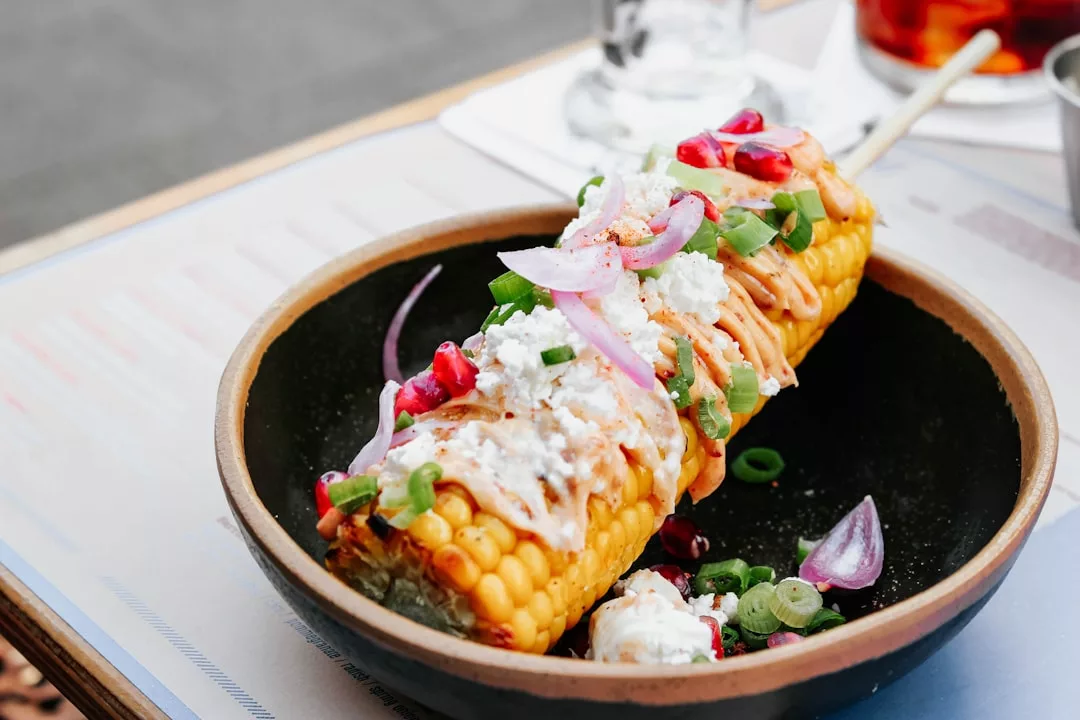
A successful food tour is defined not only by the variety of experiences but also by the must-try dishes that showcase a region’s culinary identity. In Mexico City, for example, no food tour would be complete without sampling tacos al pastor—marinated pork served on corn tortillas with pineapple—and elote—grilled corn slathered in mayonnaise and cheese. These dishes reflect the vibrant street food culture that defines the city.
In Southeast Asia, dishes like pho in Vietnam or pad thai in Thailand are essential stops on any food tour. Each dish tells a story about its origins and cultural significance, making them integral components of any culinary exploration.
The Role of Local Guides on Food Tours
Local guides play an indispensable role in enhancing the food tour experience. Their intimate knowledge of the area allows them to curate unique itineraries that highlight hidden gems often overlooked by tourists. These guides are not only well-versed in the culinary landscape but also serve as cultural ambassadors who share anecdotes about local customs and traditions.
Moreover, local guides can provide context for each dish sampled during the tour. They often share stories about family recipes passed down through generations or explain the significance of certain ingredients within the local culture. This depth of knowledge transforms a simple tasting experience into an educational journey that fosters appreciation for the culinary arts.
Food Tour Etiquette and Tips
Engaging in a food tour comes with its own set of etiquette guidelines that participants should be mindful of to ensure a respectful and enjoyable experience for all involved. One fundamental rule is to arrive on time; punctuality is crucial as many tours operate on strict schedules. Additionally, being open-minded about trying new foods is essential; some dishes may challenge personal preferences but can lead to delightful surprises.
Another important aspect of food tour etiquette is showing appreciation for local customs and practices. This may include asking permission before taking photos in certain establishments or being respectful when interacting with vendors and chefs. Participants should also be mindful of portion sizes; tasting small bites allows everyone to enjoy a variety of dishes without feeling overwhelmed.

The Impact of Food Tourism on Local Communities
Food tourism has far-reaching effects on local communities, often serving as a catalyst for economic development and cultural preservation. By attracting visitors eager to explore regional cuisine, communities can benefit from increased revenue generated by restaurants, markets, and artisanal producers. This influx of tourism can create jobs and stimulate local economies while encouraging investment in infrastructure.
Moreover, food tourism fosters cultural exchange by promoting awareness of local traditions and practices among visitors. As travelers engage with local chefs and artisans, they gain insights into the significance of certain dishes within the community’s history. This exchange not only enriches the travel experience but also helps preserve culinary heritage by encouraging younger generations to embrace traditional cooking methods.
Food Tour Trends and Innovations
As the food tourism industry continues to evolve, several trends and innovations have emerged that enhance the overall experience for participants. One notable trend is the rise of immersive experiences that go beyond mere tastings. Many food tours now incorporate hands-on cooking classes or workshops where participants can learn how to prepare traditional dishes themselves.
This interactive approach deepens understanding and appreciation for local cuisine. Another innovation is the integration of technology into food tours. Mobile apps now allow travelers to access self-guided tours or augmented reality experiences that provide additional context about dishes or locations visited during their journey.
These advancements cater to tech-savvy travelers while offering flexibility in how they explore culinary landscapes.
The Joy of Exploring Culinary Delights
Exploring culinary delights through food tours offers an enriching experience that transcends mere consumption; it fosters connections between people and cultures through shared meals and stories. As travelers embark on these gastronomic adventures, they not only indulge their taste buds but also gain insights into the heart and soul of a destination’s culinary heritage. The joy derived from discovering new flavors and engaging with local communities makes food tours an essential aspect of modern travel, celebrating the universal love for good food while supporting sustainable practices within local economies.

More in
More from Travel

Travel · 9 min
Exploring the Ultimate Culinary Experience
The ultimate culinary experience transcends mere sustenance; it is an intricate tapestry woven from flavors, aromas, textures, and visual appeal. This…

Travel · 11 min
Exploring the Best of Paris: A 3-Day Itinerary
The first day in Paris is often a whirlwind of excitement and discovery, as travelers set out to explore the city’s most iconic landmarks. Starting at…

Travel · 8 min
Mastering the Art of Skiing: Tips for Perfecting Your Technique
Selecting the appropriate skiing equipment is a fundamental step for both beginners and seasoned skiers alike. The right gear not only enhances perfor…