Travel · Travel
Exploring Ancient Wonders: Historical Sites Worth Visiting
The Great Pyramid of Giza, standing as a testament to the ingenuity of ancient Egyptian civilization, is the oldest of the Seven Wonders of the Ancient World and the only one to re…

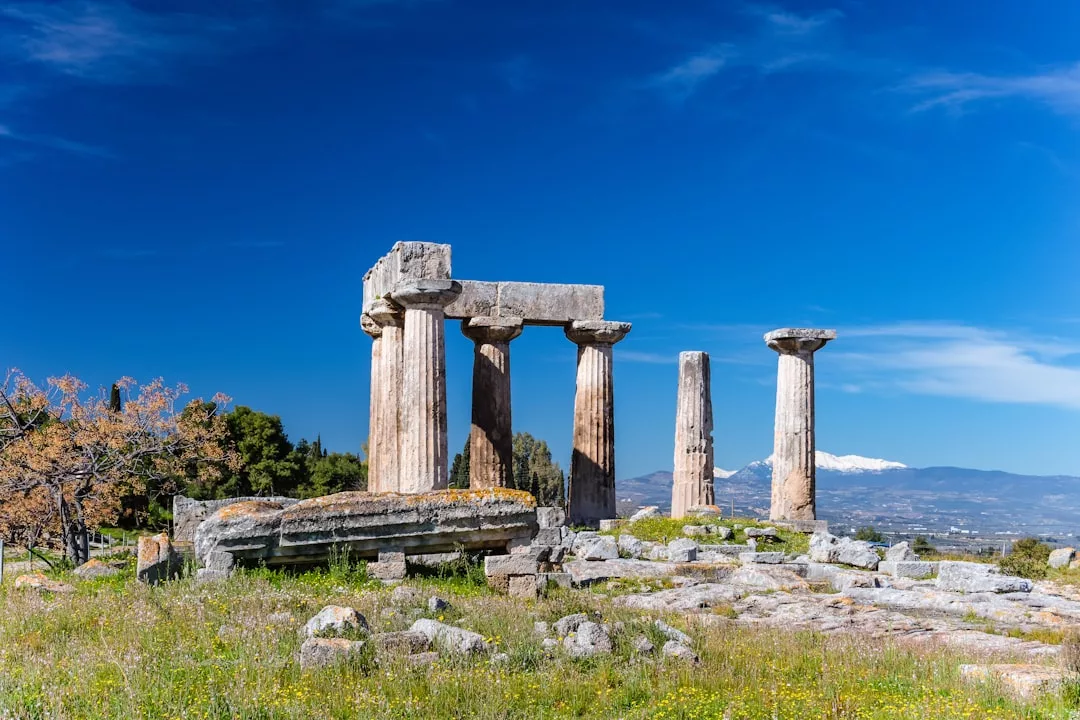

The Great Pyramid of Giza, standing as a testament to the ingenuity of ancient Egyptian civilization, is the oldest of the Seven Wonders of the Ancient World and the only one to remain largely intact. Constructed around 2580–2560 BC during the Fourth Dynasty of the Old Kingdom, this monumental structure was originally built as a tomb for Pharaoh Khufu, also known as Cheops. The pyramid was originally 146.6 meters tall, making it the tallest man-made structure in the world for over 3,800 years.
Its base covers an area of approximately 13 acres, and it is estimated that about 2.3 million blocks of stone were used in its construction, each weighing between 2.5 to 15 tons. The precision with which these stones were cut and assembled is nothing short of extraordinary, showcasing the advanced engineering skills possessed by the ancient Egyptians. The construction techniques employed in building the Great Pyramid have been a subject of fascination and debate among historians and archaeologists.
While the exact methods remain somewhat elusive, several theories have emerged. One popular theory suggests that a series of ramps were used to transport the massive stones to higher levels as construction progressed.
Additionally, the alignment of the pyramid with incredible precision to the cardinal points—north, south, east, and west—demonstrates a sophisticated understanding of astronomy and geometry. The Great Pyramid not only served as a royal tomb but also reflected the Egyptians’ beliefs in the afterlife and their desire for immortality, making it a symbol of their architectural prowess and spiritual aspirations.
Key Takeaways
- The Great Pyramid of Giza is a remarkable feat of ancient engineering, built over 4,500 years ago and still standing today.
- The Colosseum in Rome offers a glimpse into the grandeur and brutality of ancient Roman entertainment, with its history of gladiator battles and spectacles.
- Machu Picchu, nestled in the Andes mountains, is a mysterious Incan citadel that continues to captivate visitors with its stunning architecture and breathtaking views.
- The Acropolis in Athens is an iconic symbol of ancient Greek civilization, featuring the majestic ruins of temples and monuments dedicated to the gods.
- Petra, known as the Rose City, is a stunning archaeological site in Jordan, with its intricate rock-cut architecture and fascinating history.
The Colosseum: Witness the Spectacle of Ancient Roman Entertainment
The Colosseum, an iconic symbol of ancient Rome, stands as a monumental amphitheater that once hosted gladiatorial contests, public spectacles, and various forms of entertainment that captivated audiences for centuries. Completed in AD 80 under Emperor Titus, this architectural marvel could accommodate between 50,000 to 80,000 spectators, showcasing the grandeur of Roman engineering and design. The elliptical structure measures approximately 189 meters long and 156 meters wide, with a height of around 48 meters.
Its intricate system of vaults and arches not only provided structural stability but also allowed for efficient crowd management and access to various seating tiers. The events held within the Colosseum were often grandiose and brutal, reflecting the values and culture of ancient Rome. Gladiators, often slaves or prisoners of war, fought each other or wild animals in fierce battles that entertained the masses.
These spectacles were not merely for amusement; they served as a means for emperors to gain favor with the populace and demonstrate their power. The Colosseum also hosted mock naval battles, known as naumachiae, where the arena was flooded to recreate sea battles. Such events highlighted the Romans’ engineering ingenuity in manipulating water systems and creating elaborate stage settings.
The Colosseum remains a powerful symbol of Rome’s imperial might and cultural legacy, drawing millions of visitors each year who come to witness its storied past.
Machu Picchu: Discover the Mysterious Incan Citadel in the Andes
Machu Picchu, often referred to as the “Lost City of the Incas,” is an archaeological wonder nestled high in the Andes Mountains of Peru at an altitude of approximately 2,430 meters. Believed to have been built in the 15th century during the reign of Emperor Pachacuti, this citadel showcases the remarkable architectural and agricultural achievements of the Inca civilization. The site is characterized by its sophisticated dry-stone construction techniques, where stones were cut to fit together without mortar, allowing them to withstand seismic activity—a testament to Incan engineering prowess.
The purpose of Machu Picchu remains a topic of scholarly debate. Some theories suggest it served as a royal estate or religious retreat, while others propose it was a strategic military outpost. The layout of Machu Picchu includes agricultural terraces, temples, and residential areas that reflect a deep understanding of environmental adaptation and resource management.
The Intihuatana stone, often referred to as a ritual stone associated with astronomy, further emphasizes the Incas’ connection to celestial bodies and their agricultural calendar. Rediscovered by American historian Hiram Bingham in 1911, Machu Picchu has since become a UNESCO World Heritage Site and one of the most visited tourist destinations in the world, captivating visitors with its breathtaking views and enigmatic history.

The Acropolis: Explore the Iconic Ruins of Ancient Athens
The Acropolis of Athens is an enduring symbol of classical civilization and democracy, perched high above the city on a rocky outcrop that has been inhabited since prehistoric times. The most famous structure within this ancient citadel is the Parthenon, dedicated to Athena Parthenos, the patron goddess of Athens. Constructed between 447 and 432 BC during the height of Athenian power under Pericles, this temple exemplifies Doric architecture with its majestic columns and intricate sculptures that depict various mythological scenes.
The Parthenon not only served as a religious temple but also as a symbol of Athenian democracy and cultural achievement. Beyond the Parthenon, the Acropolis complex includes several other significant structures such as the Erechtheion, known for its Caryatids—columns shaped like female figures—and the Temple of Athena Nike, which celebrates Athenian victories in battle. The architectural innovations seen in these structures reflect a deep understanding of aesthetics and functionality.
The use of optical illusions in the Parthenon’s design—such as slight curvature in columns—was intended to create an illusion of perfection when viewed from a distance. The Acropolis stands as a powerful reminder of ancient Greece’s contributions to art, philosophy, and governance, attracting scholars and tourists alike who seek to understand its historical significance.
Petra: Journey to the Rose City Carved into the Jordanian Desert
Petra, often referred to as the “Rose City” due to its stunning pink sandstone cliffs, is an archaeological marvel located in southern Jordan. Established as early as 300 BC by the Nabataeans, Petra served as a vital trading hub connecting various trade routes across Arabia, Egypt, and beyond. The city is renowned for its rock-cut architecture and water conduit system that exemplified advanced engineering techniques for its time.
The most famous structure within Petra is Al-Khazneh (The Treasury), which features an intricately carved façade that stands over 40 meters high. The strategic location of Petra allowed it to flourish as a center for commerce and culture during its peak. The Nabataeans developed sophisticated methods for harvesting rainwater and constructing cisterns that enabled them to thrive in an arid environment.
As visitors explore Petra’s winding canyon paths known as Siq, they are greeted by breathtaking views and remarkable structures such as the Monastery (Ad Deir) and various tombs adorned with elaborate carvings. Despite its decline after being bypassed by trade routes in favor of maritime routes in the 2nd century AD, Petra remains a UNESCO World Heritage Site and continues to captivate those who venture into its ancient streets.
The Great Wall of China: Walk Along the World’s Longest Defensive Structure
The Great Wall of China is an awe-inspiring feat of engineering that stretches over 13,000 miles across northern China. Originally constructed during various dynasties starting from the 7th century BC through to the Ming Dynasty (1368–1644), this monumental structure was built primarily for defense against invasions from nomadic tribes from the north. The wall is not a single continuous structure but rather a series of walls and fortifications made from various materials including earth, wood, bricks, and stone depending on local resources.
Walking along sections of the Great Wall offers visitors a glimpse into its historical significance and architectural diversity. Some parts are well-preserved and feature watchtowers that provided vantage points for soldiers monitoring enemy movements. Other sections are more rugged and reflect centuries of wear from natural elements and human activity.
The wall’s construction involved immense labor forces; it is estimated that hundreds of thousands of workers contributed to its building over centuries. Beyond its military purpose, the Great Wall also served as a means for controlling trade along the Silk Road and facilitating cultural exchange between different regions. Today, it stands not only as a symbol of China’s historical resilience but also as an enduring testament to human determination.
Stonehenge: Unravel the Mystery of the Prehistoric Monument in England
Stonehenge is one of the most famous prehistoric monuments in the world, located on Salisbury Plain in Wiltshire, England. Dating back to around 3000 BC to 2000 BC, this enigmatic site consists of a circular arrangement of massive standing stones known as sarsens and smaller bluestones arranged in a unique pattern that has puzzled archaeologists for centuries. The purpose behind Stonehenge remains speculative; theories range from it being an astronomical observatory to a religious site or even a burial ground.
The construction techniques used to erect Stonehenge are equally fascinating. It is believed that these enormous stones were transported from distant quarries—some from as far away as Wales—using primitive tools and methods that required immense manpower and ingenuity. Recent archaeological discoveries have revealed evidence suggesting that Stonehenge was part of a larger ceremonial landscape that included other monuments such as burial mounds and henges. Today, Stonehenge attracts visitors from around the globe who come to marvel at its grandeur while contemplating its mysteries.
The Taj Mahal: Marvel at the Magnificent Mughal Architecture in India
The Taj Mahal stands as an exquisite example of Mughal architecture and is often regarded as one of the most beautiful buildings in the world. Commissioned by Emperor Shah Jahan in memory of his beloved wife Mumtaz Mahal after her death in 1631, this ivory-white marble mausoleum is located on the banks of the Yamuna River in Agra, India. Construction began in 1632 and took approximately 22 years to complete, involving thousands of artisans and craftsmen who meticulously worked on every detail.
The architectural design of the Taj Mahal reflects a harmonious blend of Persian, Islamic, and Indian styles characterized by intricate carvings, symmetrical gardens, and reflective pools that enhance its beauty. The central dome rises majestically to about 35 meters high and is surrounded by four smaller domes along with minarets at each corner that add to its grandeur. The use of semi-precious stones for inlay work creates stunning floral patterns on marble surfaces that dazzle visitors with their craftsmanship.
Beyond its architectural brilliance, the Taj Mahal symbolizes eternal love and devotion; it has become an enduring icon not only for India but also for romanticism worldwide.

Angkor Wat: Experience the Grandeur of the Largest Religious Monument in the World
Angkor Wat is an architectural masterpiece located in Cambodia that holds immense historical significance as one of the largest religious monuments globally. Originally constructed in the early 12th century during King Suryavarman II’s reign as a Hindu temple dedicated to Vishnu, Angkor Wat later transitioned into a Buddhist temple complex reflecting Cambodia’s cultural evolution over centuries. Covering an area of over 162 hectares (402 acres), Angkor Wat is renowned for its grandeur and intricate bas-reliefs depicting scenes from Hindu mythology.
The layout of Angkor Wat is meticulously designed with a central tower symbolizing Mount Meru—the center of the universe in Hindu cosmology—surrounded by four concentric walls representing mountain ranges encircling it. The temple’s architecture showcases classical Khmer style characterized by sandstone construction adorned with detailed carvings that narrate stories from ancient texts such as the Ramayana and Mahabharata. Angkor Wat’s impressive scale and artistic achievements reflect not only religious devotion but also advanced engineering techniques employed by Khmer builders who created sophisticated water management systems essential for agriculture in this region.
Chichen Itza: Explore the Mayan Ruins in the Yucatan Peninsula
Chichen Itza is one of Mexico’s most significant archaeological sites representing Mayan civilization’s cultural achievements during its peak between AD 600 and 1200. Located on Mexico’s Yucatan Peninsula, this ancient city features impressive structures such as El Castillo (the Temple of Kukulcan), which serves as both a temple and astronomical observatory aligned with celestial events like equinoxes when shadows create an illusion resembling a serpent slithering down its staircase. The architectural design at Chichen Itza reflects a blend of Mayan traditions with influences from other Mesoamerican cultures due to extensive trade networks established by this civilization over centuries.
Structures like Temple 1 showcase intricate carvings depicting deities while ball courts highlight ritualistic games played by ancient Mayans—a reflection not only on their athleticism but also on social hierarchies within society. Chichen Itza was designated a UNESCO World Heritage Site in 1988 due to its historical significance; today it attracts millions who seek insight into Mayan culture while marveling at its architectural wonders.
The Parthenon: Admire the Splendor of Ancient Greek Architecture in Athens
The Parthenon stands atop the Acropolis in Athens as an enduring symbol of ancient Greek civilization’s artistic excellence and democratic ideals. Constructed between 447 BC and 432 BC during Pericles’ leadership following Greece’s victory over Persia at Marathon, this temple was dedicated to Athena Parthenos—the goddess whom Athenians revered above all others. Designed by architects Ictinus and Callicrates with sculptor Phidias overseeing decorative elements like friezes depicting mythological battles between gods and giants—the Parthenon exemplifies Doric architecture characterized by its sturdy columns supporting an elegant entablature.
Beyond its architectural beauty lies profound cultural significance; it served not only as a religious site but also represented Athenian democracy at its zenith—a place where citizens gathered for civic discourse amidst artistic splendor reflecting their values regarding governance and society’s role within it. Despite enduring centuries marked by wars, invasions, and natural disasters leading to significant damage over time—the Parthenon remains an iconic representation not just for Greece but for Western civilization itself—drawing millions annually who seek inspiration from its storied past while contemplating ideals rooted deeply within democracy’s foundations.

More in
More from Travel

Travel · 9 min
Exploring the Ultimate Culinary Experience
The ultimate culinary experience transcends mere sustenance; it is an intricate tapestry woven from flavors, aromas, textures, and visual appeal. This…

Travel · 11 min
Exploring the Best of Paris: A 3-Day Itinerary
The first day in Paris is often a whirlwind of excitement and discovery, as travelers set out to explore the city’s most iconic landmarks. Starting at…

Travel · 8 min
Mastering the Art of Skiing: Tips for Perfecting Your Technique
Selecting the appropriate skiing equipment is a fundamental step for both beginners and seasoned skiers alike. The right gear not only enhances perfor…