Beauty · Beauty
Unlocking the Power of Retinol for Youthful Skin
Retinol, a derivative of vitamin A, is a powerhouse ingredient in the realm of skincare, renowned for its ability to promote cell turnover and enhance skin texture. It is classifie…

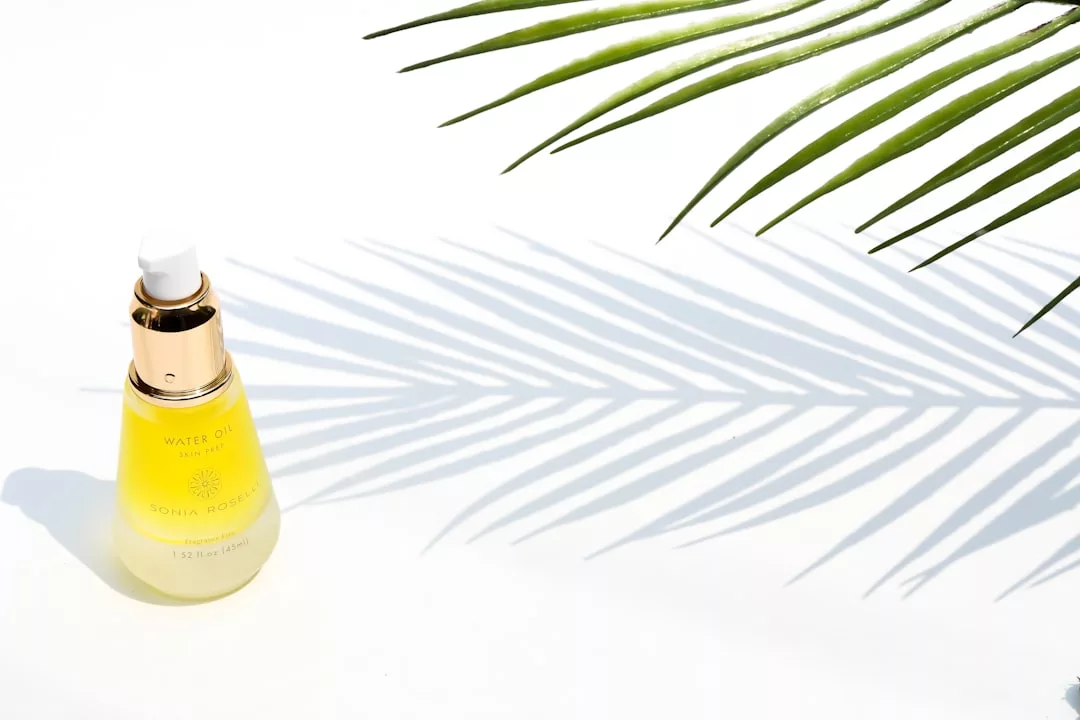

Retinol, a derivative of vitamin A, is a powerhouse ingredient in the realm of skincare, renowned for its ability to promote cell turnover and enhance skin texture. It is classified as a retinoid, which encompasses a range of compounds that are chemically related to vitamin When applied topically, retinol penetrates the skin and is converted into retinoic acid, the active form of vitamin A that interacts with skin cells. This conversion process is crucial because retinoic acid binds to specific receptors in skin cells, stimulating various biological processes that lead to improved skin health.
The mechanism of action of retinol is multifaceted. It accelerates the shedding of dead skin cells from the surface, which helps to unclog pores and reduce the formation of acne. Additionally, retinol promotes the production of new skin cells, leading to a fresher and more youthful appearance.
It also enhances collagen synthesis, which is vital for maintaining skin elasticity and firmness. Over time, regular use of retinol can diminish the appearance of fine lines, wrinkles, and hyperpigmentation, making it a favored choice among those seeking anti-aging solutions.
Key Takeaways
- Retinol is a form of vitamin A that helps to promote skin renewal and enhance collagen production.
- The benefits of retinol for skin include reducing the appearance of fine lines and wrinkles, improving skin texture, and minimizing the appearance of pores.
- When choosing a retinol product, it’s important to consider your skin type and start with a lower concentration to minimize potential irritation.
- To incorporate retinol into your skincare routine, start by using it a few times a week and gradually increase frequency as your skin adjusts.
- It’s important to use sunscreen when using retinol to protect your skin from potential sun sensitivity and damage.
The Benefits of Retinol for Skin
The benefits of retinol extend beyond mere cosmetic improvements; they encompass a wide array of skin concerns. One of the most celebrated advantages is its efficacy in treating acne. By promoting cell turnover and preventing clogged pores, retinol can significantly reduce the frequency and severity of breakouts.
This makes it an invaluable tool for individuals struggling with acne-prone skin, as it not only addresses existing blemishes but also helps prevent future occurrences. In addition to its acne-fighting properties, retinol is highly effective in combating signs of aging. As we age, our skin’s natural ability to produce collagen diminishes, leading to sagging and the formation of wrinkles.
Retinol counteracts this process by stimulating collagen production and improving skin elasticity. Furthermore, it can help fade dark spots and uneven skin tone caused by sun damage or hormonal changes. The cumulative effect of these benefits results in a more radiant and youthful complexion, making retinol a staple in many anti-aging regimens.
Choosing the Right Retinol Product for Your Skin Type
Selecting the appropriate retinol product is crucial for maximizing its benefits while minimizing potential irritation. Retinol comes in various formulations, including creams, serums, and oils, each catering to different skin types and concerns. For individuals with sensitive skin, starting with a lower concentration of retinol—typically around 0.25%—is advisable.
This allows the skin to acclimate to the ingredient without overwhelming it. As tolerance builds, users can gradually increase the concentration to achieve more pronounced results. For those with oily or acne-prone skin, gel-based formulations may be more suitable due to their lightweight texture and oil-absorbing properties.
Conversely, individuals with dry or mature skin might benefit from cream-based products that provide additional hydration alongside retinol’s active ingredients. It’s also essential to consider other components in the formulation; products containing soothing agents like hyaluronic acid or niacinamide can help mitigate potential irritation associated with retinol use.

How to Incorporate Retinol into Your Skincare Routine
Integrating retinol into a skincare routine requires a thoughtful approach to ensure optimal results while minimizing side effects. It is generally recommended to start using retinol at night since it can increase photosensitivity. A common practice is to apply a pea-sized amount of retinol after cleansing and before moisturizing.
This allows the active ingredient to penetrate effectively without interference from other products. When first introducing retinol, it’s wise to adopt a gradual approach. Many experts suggest using it two to three times a week initially, allowing the skin time to adjust before increasing frequency.
Observing how your skin reacts during this adjustment period is crucial; if irritation occurs, scaling back usage or opting for a lower concentration may be necessary. Additionally, pairing retinol with a gentle cleanser and hydrating moisturizer can help maintain skin balance and comfort during this transition.
Understanding the Potential Side Effects of Retinol
While retinol offers numerous benefits, it is not without potential side effects that users should be aware of. Common reactions include redness, dryness, peeling, and increased sensitivity, particularly during the initial weeks of use. These effects are often referred to as “retinization,” a process where the skin adapts to the ingredient.
For many users, these symptoms subside as the skin becomes accustomed to retinol; however, some individuals may experience persistent irritation. To mitigate side effects, it’s essential to listen to your skin and adjust usage accordingly. If irritation persists despite following recommended guidelines, consulting with a dermatologist can provide personalized advice tailored to your specific needs.
In some cases, switching to a milder formulation or incorporating retinol into a more extensive skincare routine that includes soothing ingredients may alleviate discomfort while still reaping the benefits of this powerful ingredient.
Tips for Maximizing the Effects of Retinol
To fully harness the potential of retinol, several strategies can enhance its effectiveness while minimizing adverse reactions. First and foremost, consistency is key; regular use over an extended period is necessary to see significant improvements in skin texture and tone. Establishing a routine that incorporates retinol at the same time each night can help reinforce this habit.
Additionally, layering products thoughtfully can amplify results. For instance, applying a hydrating serum containing hyaluronic acid before retinol can help counteract dryness and enhance moisture retention in the skin.
The Importance of Sun Protection When Using Retinol
Sun protection is paramount when using retinol due to its potential to increase photosensitivity in the skin. Retinol accelerates cell turnover, which means that newer skin cells are more vulnerable to UV damage until they fully mature. Consequently, individuals using retinol should prioritize broad-spectrum sunscreen with an SPF of 30 or higher every day, regardless of weather conditions or indoor activities.
In addition to daily sunscreen application, wearing protective clothing and seeking shade during peak sun hours can further safeguard against UV exposure. This proactive approach not only protects against sunburn but also helps prevent premature aging and hyperpigmentation—issues that retinol users are often trying to address in their skincare routines.
Combining Retinol with Other Skincare Ingredients
Retinol can be effectively combined with various other skincare ingredients to enhance its benefits while addressing multiple concerns simultaneously. For instance, pairing retinol with antioxidants like vitamin C can provide comprehensive protection against environmental stressors while promoting collagen production and brightening the complexion. However, it’s essential to apply these ingredients at different times—using vitamin C in the morning and retinol at night—to avoid potential irritation.
Another beneficial combination involves using retinol alongside peptides or growth factors that support skin repair and rejuvenation. These ingredients work synergistically with retinol by enhancing its anti-aging effects while providing additional hydration and nourishment to the skin. However, caution should be exercised when layering multiple active ingredients; introducing them gradually into your routine can help prevent overwhelming your skin.

Retinol Myths and Misconceptions
Despite its popularity in skincare circles, several myths surrounding retinol persist that can lead to confusion among consumers. One common misconception is that all retinoids are created equal; however, there are significant differences between over-the-counter retinols and prescription-strength options like tretinoin. While both can be effective, prescription formulations tend to be more potent and may yield faster results but also come with a higher risk of irritation.
Another myth suggests that once you start using retinol, you must continue indefinitely for it to remain effective. In reality, while consistent use is important for maintaining results, some individuals may find that they can reduce frequency after achieving their desired outcomes without losing all benefits. Understanding these nuances can empower users to make informed decisions about their skincare routines.
When to Start Using Retinol for Anti-Aging Benefits
The ideal age to begin incorporating retinol into a skincare regimen varies based on individual factors such as skin type and concerns. Many dermatologists recommend starting in one’s mid-20s or early 30s as a preventative measure against early signs of aging. At this stage, individuals may not yet see pronounced wrinkles but can benefit from retinol’s ability to promote cell turnover and maintain youthful elasticity.
However, those who are already experiencing visible signs of aging—such as fine lines or uneven texture—may choose to start using retinol earlier or at a higher concentration under professional guidance. Ultimately, recognizing personal skin needs and consulting with a dermatologist can help determine the most appropriate timing for introducing this powerful ingredient into one’s routine.
Consulting with a Dermatologist for Personalized Retinol Recommendations
Given the complexities surrounding skincare ingredients like retinol, consulting with a dermatologist can provide invaluable insights tailored specifically to individual needs. A dermatologist can assess your skin type, concerns, and goals before recommending an appropriate formulation and concentration of retinol that aligns with your unique situation. Moreover, dermatologists can offer guidance on how to navigate potential side effects and suggest complementary products that enhance overall efficacy without compromising skin health.
This personalized approach ensures that users maximize the benefits of retinol while minimizing risks associated with improper use or incompatible combinations with other active ingredients in their skincare routines.

More in
More from Beauty
Beauty · 8 min
Unlocking Radiant Skin with Serum
In the realm of skincare, serums have emerged as a transformative product that can significantly enhance the health and appearance of the skin. Unlike…

Beauty · 9 min
Revitalize Your Skin with Toner: The Ultimate Guide
Toner has long been a staple in many skincare routines, yet its purpose often remains misunderstood. Traditionally, toners were formulated to remove r…
Beauty · 8 min
Shiny and Smooth: The Ultimate Lip Gloss Guide
Lip gloss has long been a staple in the beauty industry, celebrated for its ability to enhance the natural beauty of lips while providing a glossy fin…