Beauty · Beauty
Mastering the Art of Eyeshadow Application
Understanding your eye shape is the first step in mastering the art of eyeshadow application. Each eye shape—whether almond, round, hooded, or monolid—has its unique characteristic…

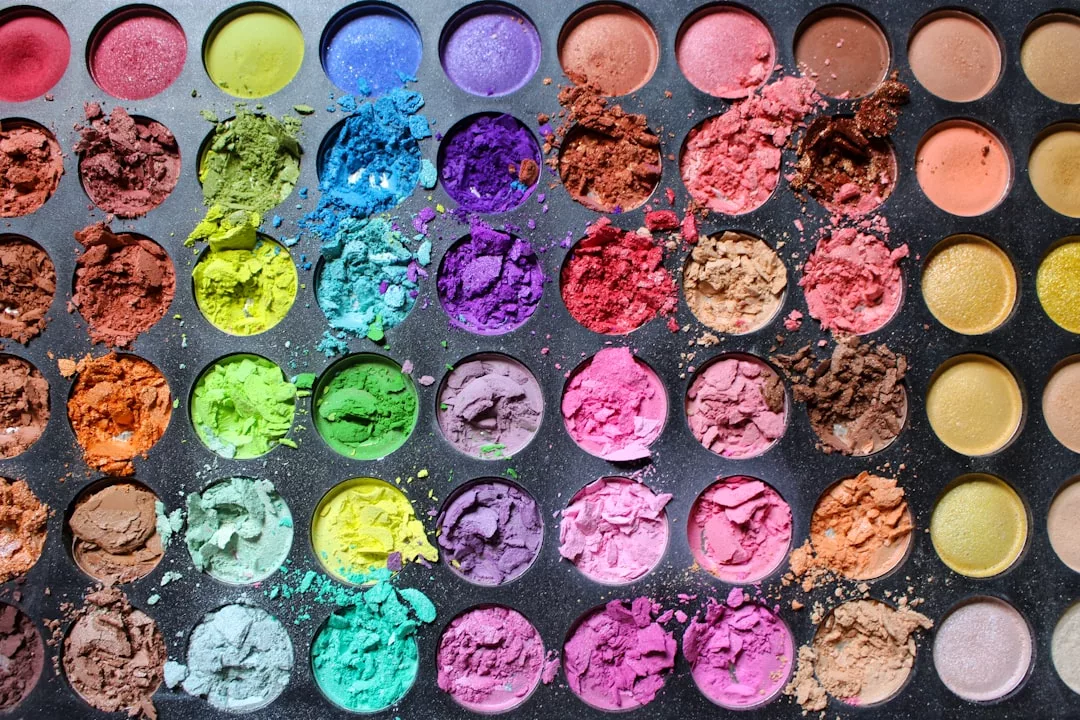

Understanding your eye shape is the first step in mastering the art of eyeshadow application. Each eye shape—whether almond, round, hooded, or monolid—has its unique characteristics that can influence how eyeshadow is applied and which styles will be most flattering. For instance, almond-shaped eyes are versatile and can pull off a variety of looks, from dramatic to subtle.
In contrast, round eyes may benefit from techniques that elongate their appearance, such as applying darker shades on the outer corners and lighter shades on the inner corners. Hooded eyes, characterized by a fold of skin that partially covers the eyelid, require specific techniques to ensure that the eyeshadow is visible when the eyes are open. To determine your eye shape, take a close look in the mirror and observe the contours and proportions of your eyes. Are they wider than they are tall? Do they have a defined crease? Are they set deeper into the socket?
These observations will guide you in selecting the most flattering eyeshadow techniques. For example, if you have monolid eyes, you might want to focus on creating dimension with gradient colors rather than relying on a defined crease. Understanding your eye shape not only enhances your makeup application but also allows you to play with various styles that highlight your natural beauty.
Key Takeaways
- Understanding your eye shape is crucial for determining the best eyeshadow application techniques.
- Choose eyeshadow colors that complement your skin tone to enhance your natural beauty.
- Preparing your eyelids with primer and concealer helps create a smooth base for eyeshadow application.
- Using the right tools, such as brushes and sponges, can make a significant difference in the outcome of your eyeshadow look.
- Blending techniques are essential for achieving a seamless and professional-looking eyeshadow application.
Choosing the Right Eyeshadow Colors for Your Skin Tone
Selecting the right eyeshadow colors is crucial for achieving a harmonious and flattering look. Skin tones can generally be categorized into three main groups: warm, cool, and neutral.
Cool skin tones, characterized by pink or blue undertones, often look best in jewel tones such as emerald green, sapphire blue, and cool purples. Neutral skin tones can experiment with a wide range of colors but often shine in soft taupes and muted shades. In addition to considering your skin tone, it’s essential to factor in the occasion and your personal style when choosing eyeshadow colors.
For daytime looks, softer shades like pastels or light browns can create a fresh appearance without overwhelming your features. Conversely, for evening events or special occasions, bolder colors like deep burgundy or shimmering gold can add drama and sophistication. Testing different shades on your eyelids can help you see how they interact with your skin tone and eye color, allowing you to curate a palette that enhances your natural beauty.
Preparing Your Eyelids for Eyeshadow Application
Preparation is key to achieving a flawless eyeshadow look that lasts throughout the day. The first step in preparing your eyelids is to ensure they are clean and free from oils or residue. A gentle cleanser can help remove any leftover makeup or skincare products that may interfere with the application of eyeshadow.
Once your eyelids are clean, applying an eyeshadow primer is highly recommended. This product acts as a base that not only enhances color payoff but also helps prevent creasing and fading. After applying primer, consider setting it with a light dusting of translucent powder or a neutral eyeshadow shade that matches your skin tone.
This step creates a smooth canvas for blending and allows subsequent colors to adhere better to the eyelid. Additionally, if you have oily eyelids or live in a humid climate, using a setting spray after applying primer can further ensure that your eyeshadow remains vibrant and intact throughout the day.

Using the Right Tools for Eyeshadow Application
The tools you use for eyeshadow application can significantly impact the final result of your makeup look. Brushes are often preferred over fingers for their precision and ability to blend seamlessly. A variety of brushes serve different purposes: flat brushes are ideal for packing on color, while fluffy blending brushes help diffuse harsh lines for a softer finish.
For detailed work, such as applying eyeshadow along the lower lash line or in the crease, smaller brushes provide greater control. In addition to brushes, makeup sponges can also be effective for applying and blending cream or liquid eyeshadows. These sponges can create an airbrushed effect when used correctly.
When selecting brushes, consider investing in high-quality options made from synthetic or natural fibers that suit your preferences. Regular cleaning of your brushes is essential to maintain hygiene and ensure optimal performance; dirty brushes can harbor bacteria and lead to breakouts or uneven application.
Blending Techniques for a Seamless Look
Blending is one of the most critical techniques in eyeshadow application, as it transforms harsh lines into soft transitions that enhance the overall look. To achieve seamless blending, start by applying a transition shade—typically a matte color slightly darker than your skin tone—into the crease using a fluffy blending brush. This shade serves as a bridge between your eyelid color and brow bone highlight, creating depth without overwhelming the eye.
When blending, use gentle circular motions or back-and-forth windshield wiper motions to diffuse the color gradually. It’s important to build up intensity slowly rather than applying too much product at once; this approach allows for better control and prevents muddying of colors. If you find that you’ve applied too much product in one area, don’t hesitate to go back with a clean blending brush to soften the edges further.
Mastering blending techniques will elevate your eyeshadow game and create polished looks that stand out.
Creating Depth and Dimension with Eyeshadow
Creating depth and dimension is essential for making your eyes appear more defined and captivating. One effective way to achieve this is by using a combination of matte and shimmer shadows strategically placed on the eyelid. Start by applying a matte shade in the crease to create shadow and depth; this will give the illusion of more prominent eyelids.
Next, apply a lighter shimmer shade on the center of the lid to draw attention and create contrast against the matte color. Another technique involves using darker shades on the outer corners of the eyes to elongate their appearance. By placing a deep brown or black shadow at the outer V of your eyelid and blending it inward, you can create an illusion of larger eyes while adding drama to your look.
Additionally, incorporating lighter shades on the inner corners can brighten up the eyes and make them appear more awake. This interplay between light and dark not only enhances your eye shape but also adds an artistic flair to your overall makeup.
Adding Shimmer and Sparkle to Your Eyeshadow Look
Shimmer and sparkle can elevate any eyeshadow look from ordinary to extraordinary. When incorporating these elements into your makeup routine, it’s essential to choose products that complement your overall aesthetic while ensuring they are appropriate for the occasion. For daytime wear, opt for subtle shimmer shades that catch the light without being overly dramatic; soft champagne or rose gold hues can add just enough glow without overwhelming your features.
For evening looks or special occasions, don’t shy away from bolder sparkly options like glittery golds or vibrant jewel tones. Applying these shades with a damp brush can enhance their intensity and longevity; this technique helps adhere glitter particles better to the eyelid while minimizing fallout. Additionally, consider using glitter glue or adhesive specifically designed for cosmetics to keep larger glitter particles in place throughout the night.
The key is to balance shimmer with matte shades to create a cohesive look that highlights your eyes without overshadowing them.
Correcting Mistakes and Cleaning Up Fallout
Mistakes are an inevitable part of makeup application, but knowing how to correct them can save you time and frustration. If you experience fallout from loose eyeshadows—tiny specks of color that fall onto your cheeks—don’t panic; there are several ways to address this issue effectively. One common method is to use a clean brush or a piece of tape to gently lift away any excess product without disturbing your foundation or concealer underneath.
If you find that you’ve applied too much color in one area or created harsh lines during blending, consider using a cotton swab dipped in makeup remover for precise corrections. This technique allows you to clean up edges without starting over entirely. Alternatively, using a small amount of concealer on a brush can help redefine shapes around the eyes while brightening up any areas that may have been affected by fallout or smudging.

Enhancing Your Eyeshadow Look with Eyeliner and Mascara
Eyeliner and mascara are essential components that can enhance any eyeshadow look by framing the eyes beautifully. When choosing eyeliner, consider its formulation—gel liners offer precision while liquid liners provide boldness—and how it complements your overall makeup style. For instance, if you’ve created a soft daytime look with pastel shadows, a thin line of brown eyeliner can add definition without being too harsh.
Conversely, for dramatic evening looks featuring bold colors or glittery shadows, black liquid liner can create striking contrast. Mascara plays an equally important role in completing your eye makeup routine by adding volume and length to your lashes. When applying mascara, focus on wiggling the wand at the base of your lashes before sweeping it upward; this technique ensures maximum lift while preventing clumping.
For added drama, consider using false lashes or lash extensions that complement your eye shape and desired look. The combination of well-defined eyeliner and voluminous lashes will draw attention to your beautifully crafted eyeshadow while enhancing their overall impact.
Experimenting with Different Eyeshadow Techniques
The world of eyeshadow application is vast and filled with endless possibilities for creativity and experimentation. One popular technique is the cut crease method, which involves creating a defined line between two contrasting shades—typically a darker color in the crease and a lighter shade on the lid—to create an illusion of depth and dimension. This technique works particularly well for hooded or monolid eyes as it emphasizes the eyelid space.
Another exciting approach is layering different textures; combining matte shadows with shimmery ones can create unique effects that catch light beautifully throughout the day. You might also explore unconventional color combinations that challenge traditional norms—pairing unexpected hues like teal with coral can yield stunning results when blended thoughtfully. The key is to practice regularly and allow yourself room for mistakes; each attempt will refine your skills while expanding your creative horizons.
Tips for Long-Lasting Eyeshadow Application
To ensure that your eyeshadow remains vibrant and intact throughout the day, several tips can help enhance its longevity. First and foremost, always start with an eyeshadow primer; this product acts as an anchor for pigments while preventing creasing caused by natural oils on the eyelids. Additionally, consider setting your finished look with a light dusting of translucent powder around the eye area; this step helps absorb excess moisture while locking in color.
Another effective strategy is layering products; using cream shadows as a base before applying powder shadows can significantly increase wear time while intensifying color payoff. If you’re prone to oily eyelids or live in humid conditions, carrying blotting papers or setting spray in your bag can help refresh your makeup throughout the day without disturbing its integrity. By implementing these tips into your routine, you’ll enjoy beautifully applied eyeshadow that lasts from morning until night without compromising on quality or style.

More in
More from Beauty
Beauty · 8 min
Unlocking Radiant Skin with Serum
In the realm of skincare, serums have emerged as a transformative product that can significantly enhance the health and appearance of the skin. Unlike…

Beauty · 9 min
Revitalize Your Skin with Toner: The Ultimate Guide
Toner has long been a staple in many skincare routines, yet its purpose often remains misunderstood. Traditionally, toners were formulated to remove r…
Beauty · 8 min
Shiny and Smooth: The Ultimate Lip Gloss Guide
Lip gloss has long been a staple in the beauty industry, celebrated for its ability to enhance the natural beauty of lips while providing a glossy fin…