Beauty · Beauty
Get that Sun-Kissed Glow with Bronzer
Bronzer is a cosmetic product designed to impart warmth and a sun-kissed glow to the skin. Typically available in powder, cream, or liquid forms, bronzers are formulated with pigme…
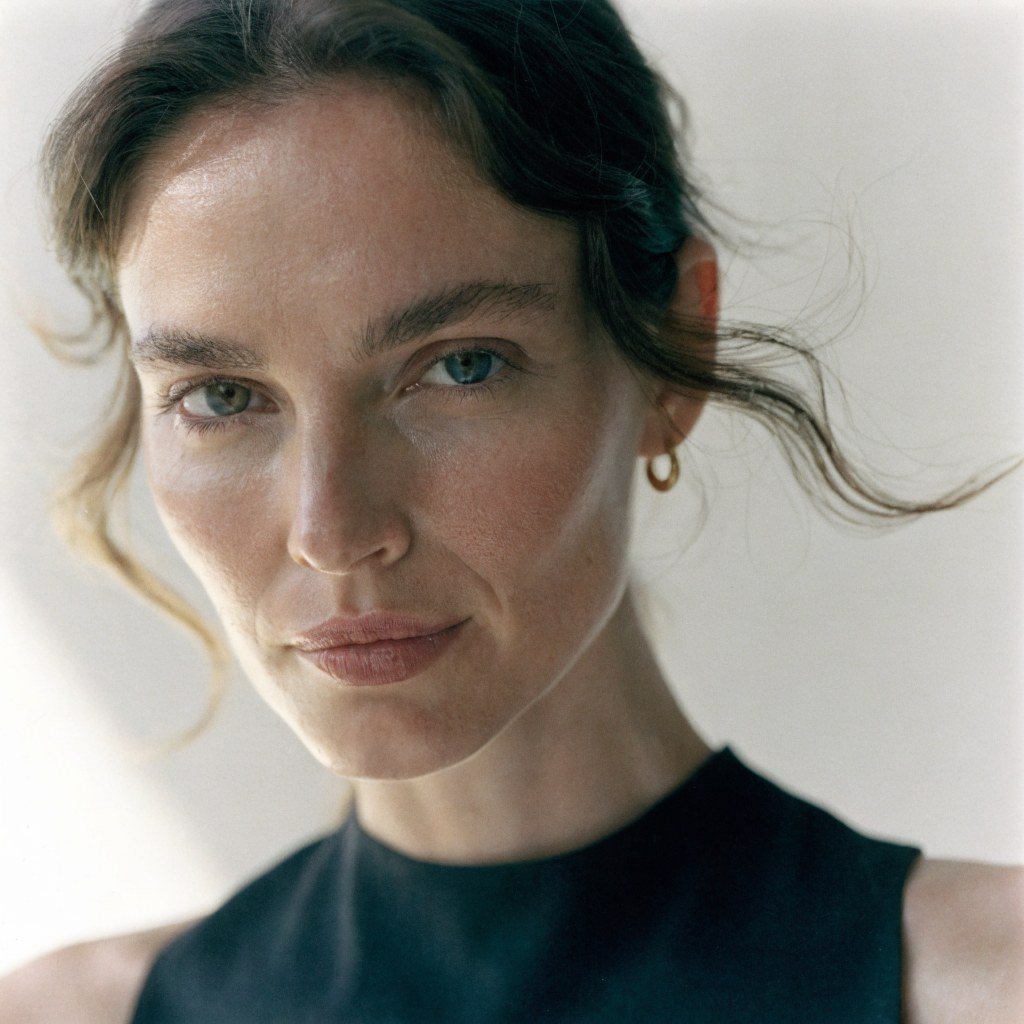


Bronzer is a cosmetic product designed to impart warmth and a sun-kissed glow to the skin. Typically available in powder, cream, or liquid forms, bronzers are formulated with pigments that mimic the natural hues of a tan. The primary purpose of bronzer is to enhance the complexion, giving it a healthy, radiant appearance.
Unlike foundation, which is used to even out skin tone, bronzer adds dimension and warmth, creating the illusion of a sunlit glow. The way bronzer works is largely dependent on its formulation and application technique. When applied correctly, bronzer can create shadows and highlights that define the face, making it appear more sculpted.
The pigments in bronzer reflect light, which can help to create a three-dimensional effect on the skin. This is particularly effective when bronzer is used in conjunction with other makeup products like highlighters and blushes, allowing for a more dynamic and vibrant look.
Key Takeaways
- Bronzer is a makeup product that adds warmth and dimension to the skin, mimicking a sun-kissed glow.
- Choose a bronzer shade that is one to two shades darker than your natural skin tone for a natural look.
- Apply bronzer to the areas of the face where the sun naturally hits, such as the forehead, cheeks, and nose, for a natural sun-kissed look.
- Matte bronzers are best for contouring and sculpting, while shimmer bronzers add a radiant glow to the skin.
- Use a fluffy brush to apply bronzer in a 3 shape on the sides of the face for a natural contour, and blend well to avoid harsh lines.
Choosing the Right Bronzer for Your Skin Tone
Selecting the right bronzer is crucial for achieving a natural look. The first step in this process is to identify your skin tone, which can generally be categorized into three main groups: cool, warm, and neutral. Cool-toned individuals often have pink or blue undertones in their skin, while warm-toned individuals typically exhibit yellow or golden undertones.
Neutral tones can have a mix of both. For cool skin tones, bronzers with a rosy or taupe undertone work best, as they complement the natural hues without clashing. Conversely, warm-toned individuals should opt for bronzers that have golden or peachy undertones.
These shades enhance the natural warmth of the skin and provide a sun-kissed effect that looks authentic. For those with neutral undertones, bronzers that are more versatile—such as those with a balance of warm and cool tones—can be ideal. Additionally, it’s important to consider the depth of your skin tone; lighter shades may wash out deeper complexions, while darker shades can appear muddy on fair skin.
Testing bronzers in natural light can help ensure you find the perfect match.
How to Apply Bronzer for a Natural Sun-Kissed Look
Achieving a natural sun-kissed look with bronzer requires careful application techniques. The key is to apply bronzer where the sun would naturally hit your face: the high points such as the forehead, cheekbones, and nose bridge. A common method is to use the “3” technique—starting at the forehead, sweeping down to the cheekbone, and then back towards the jawline.
This creates a seamless transition that mimics natural tanning patterns. When applying bronzer, using the right tools can make a significant difference. A fluffy brush is ideal for powder bronzers as it allows for even distribution and blending. It’s essential to build up the product gradually; starting with a light layer allows you to control the intensity and avoid an overly dramatic look. Always remember to blend well to prevent harsh lines and ensure that the bronzer melds seamlessly with your foundation.

The Difference Between Matte and Shimmer Bronzers
Bronzers come in two primary finishes: matte and shimmer, each serving different purposes and offering unique effects on the skin. Matte bronzers are typically preferred for contouring and sculpting because they provide a more subtle definition without reflecting light. This makes them ideal for creating shadows on the face, enhancing features like cheekbones and jawlines without adding extra shine.
On the other hand, shimmer bronzers contain light-reflecting particles that add luminosity to the skin. These are perfect for achieving that coveted glow and are often used on areas where light naturally hits the face, such as the tops of cheekbones and brow bones. However, shimmer bronzers can sometimes emphasize texture or imperfections on the skin, so they may not be suitable for everyone.
Choosing between matte and shimmer ultimately depends on personal preference and the desired effect; many makeup enthusiasts opt to use both types in their routines for versatility.
Tips for Contouring and Sculpting with Bronzer
Contouring with bronzer can elevate your makeup game by adding depth and dimension to your face. To effectively contour using bronzer, it’s essential to choose a shade that is slightly darker than your natural skin tone but still complements your undertone. The application should focus on areas where shadows naturally occur: under the cheekbones, along the jawline, and at the temples of your forehead.
A small angled brush is ideal for precise application in these areas. Start by applying bronzer in light layers; it’s easier to build up than to remove excess product. For under the cheekbones, suck in your cheeks slightly to find the hollows; apply bronzer in a diagonal line from your ear towards your mouth but stop before reaching it to avoid looking too harsh.
Blending is crucial; use a clean brush or sponge to diffuse any harsh lines for a more natural appearance.
Using Bronzer to Enhance Your Features
Bronzer can be an excellent tool for enhancing specific facial features beyond just contouring. For instance, applying bronzer along the sides of your nose can create an illusion of a slimmer profile; this technique involves lightly dusting bronzer down each side of the nose bridge and blending well to avoid any stark lines. Additionally, bronzer can be used to enhance your eyes by applying a small amount in the crease area or along the lower lash line.
This adds warmth and depth without needing additional eyeshadow products. For those looking to enhance their lips, applying a touch of bronzer around the lip line can create a fuller appearance by providing contrast against your lip color. These techniques allow for versatility in makeup application while maximizing the use of bronzer.
Incorporating Bronzer into Your Everyday Makeup Routine
Integrating bronzer into your daily makeup routine can elevate your overall look without requiring extensive effort or time. For a quick everyday application, consider using a tinted moisturizer or lightweight foundation as your base; this allows your natural skin tone to shine through while providing just enough coverage.
For those who prefer minimal makeup, bronzer can serve as a multi-functional product; it can be used not only on the face but also on eyelids for a cohesive look. A quick swipe of bronzer on your eyelids paired with mascara can create an effortless yet polished appearance suitable for any occasion. Additionally, pairing bronzer with a tinted lip balm can provide a fresh-faced look that feels light and comfortable throughout the day.
How to Use Bronzer to Fake a Tan
For individuals looking to achieve a tanned appearance without sun exposure or self-tanners, bronzer can be an effective solution. The key is to apply it strategically across areas where you would naturally tan: the forehead, cheeks, nose, and chin—often referred to as the “high points” of the face. To create an all-over tanned effect, start by applying bronzer lightly across these areas using a fluffy brush for even distribution.
Gradually build up color until you reach your desired level of warmth. It’s also beneficial to extend this application down onto your neck and décolletage for a seamless transition between your face and body. This technique not only enhances your complexion but also gives an illusion of depth that mimics natural tanning.
The Best Bronzer Application Tools and Techniques
The tools you choose for applying bronzer can significantly impact the final result. Brushes are often favored for powder bronzers; a large, fluffy brush allows for soft application and blending while preventing over-application of product. For more precision in contouring, an angled brush can help define specific areas like cheekbones or jawlines.
When working with cream or liquid bronzers, sponges are invaluable for achieving an airbrushed finish. A damp beauty sponge can help blend cream products seamlessly into the skin without leaving streaks or harsh lines. Additionally, fingers can be used for quick touch-ups or when you want more control over placement; simply warm up the product between your fingers before applying it directly onto your skin.
Common Mistakes to Avoid When Using Bronzer
While bronzer can enhance your makeup look significantly, there are common pitfalls that many individuals encounter during application. One frequent mistake is choosing a shade that is too dark or too orange for their skin tone; this can lead to an unnatural appearance that detracts from overall makeup efforts. It’s essential to test shades in natural light before committing to one.
Another common error is applying too much product at once; this often results in harsh lines that are difficult to blend out. Instead of loading up your brush or sponge with product initially, start with a small amount and build up gradually until you achieve your desired effect. Additionally, neglecting to blend properly can leave visible lines or patches on the skin; always take time to ensure that bronzer is seamlessly integrated into your makeup look.
Tips for Long-Lasting Bronzer Wear and Touch-Ups
To ensure that your bronzer lasts throughout the day without fading or smudging, consider setting it with a translucent powder after application. This helps lock in color while providing a matte finish that prevents excess shine from developing over time. Additionally, using a setting spray can further enhance longevity by creating a barrier against environmental factors like humidity.
For touch-ups during the day, carry a small travel-sized bronzer or compact in your bag along with an appropriate brush for quick applications on-the-go. If you notice fading in certain areas, lightly dusting more product over those spots can refresh your look without needing to start from scratch. Remember that less is often more when it comes to touch-ups; applying too much product at once can lead to an overly made-up appearance rather than a freshened-up look.

More in
More from Beauty
Beauty · 8 min
Unlocking Radiant Skin with Serum
In the realm of skincare, serums have emerged as a transformative product that can significantly enhance the health and appearance of the skin. Unlike…
Beauty · 9 min
Revitalize Your Skin with Toner: The Ultimate Guide
Toner has long been a staple in many skincare routines, yet its purpose often remains misunderstood. Traditionally, toners were formulated to remove r…
Beauty · 8 min
Shiny and Smooth: The Ultimate Lip Gloss Guide
Lip gloss has long been a staple in the beauty industry, celebrated for its ability to enhance the natural beauty of lips while providing a glossy fin…