Beauty · Beauty
Enhance Your Beauty with Permanent Makeup
Permanent makeup, also known as micropigmentation or cosmetic tattooing, is a cosmetic technique that involves the application of pigments to the skin to enhance facial features. T…

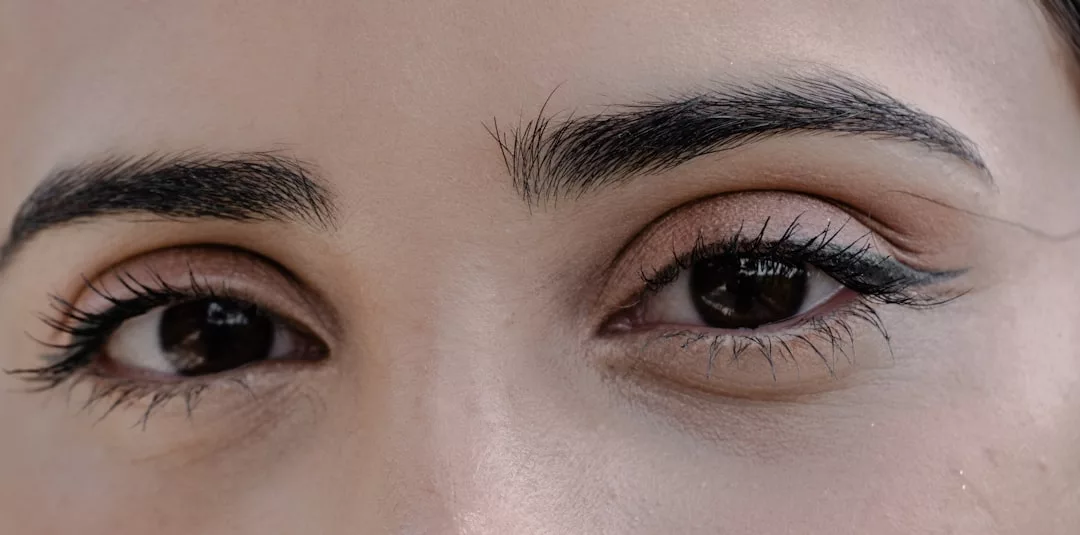

Permanent makeup, also known as micropigmentation or cosmetic tattooing, is a cosmetic technique that involves the application of pigments to the skin to enhance facial features. This innovative procedure is designed to mimic the appearance of traditional makeup, providing a long-lasting solution for individuals who desire a polished look without the daily hassle of applying makeup. The process typically involves the use of a specialized tattoo machine or hand-held device that deposits pigment into the dermal layer of the skin, ensuring that the results are both vibrant and enduring.
The concept of permanent makeup has evolved significantly over the years, transitioning from rudimentary techniques to sophisticated methods that offer a natural appearance. Originally developed for medical purposes, such as helping cancer survivors restore their eyebrows after chemotherapy, permanent makeup has gained popularity among individuals seeking convenience and efficiency in their beauty routines. Today, it encompasses a wide range of applications, including eyebrow enhancement, eyeliner tattooing, and lip color infusion, making it a versatile option for many.
Key Takeaways
- Permanent makeup is a cosmetic technique that uses tattoos to create designs that resemble makeup, such as eyeliner, lip liner, and eyebrows.
- The benefits of permanent makeup include saving time on daily makeup application, enhancing natural features, and maintaining a polished look throughout the day.
- Different types of permanent makeup include microblading for eyebrows, permanent eyeliner, and lip blush for enhancing lip color and shape.
- Permanent makeup is applied using a small needle to deposit pigment into the skin, and the process typically requires multiple sessions for optimal results.
- When choosing a permanent makeup artist, it is important to research their qualifications, experience, and portfolio of previous work to ensure a safe and satisfactory outcome.
The Benefits of Permanent Makeup
One of the most significant advantages of permanent makeup is the time it saves. For individuals with busy lifestyles, the daily ritual of applying makeup can be time-consuming and often frustrating. Permanent makeup eliminates this daily chore, allowing individuals to wake up with their desired look already in place.
This convenience is particularly appealing to those who lead active lives or have difficulty applying traditional makeup due to physical limitations. In addition to saving time, permanent makeup can also enhance an individual’s self-confidence. Many people feel more attractive and put-together when they have well-defined features, and permanent makeup can help achieve that look effortlessly.
For those with sparse eyebrows, uneven lip color, or difficulty applying eyeliner, this technique can provide a sense of empowerment and boost self-esteem. Furthermore, permanent makeup can be particularly beneficial for individuals with allergies to conventional cosmetics or those who experience skin sensitivities, as it offers a hypoallergenic alternative.
The Different Types of Permanent Makeup
Permanent makeup encompasses a variety of applications tailored to enhance different facial features. One of the most popular forms is eyebrow tattooing, which can create the illusion of fuller, more defined brows. Techniques such as microblading involve using a fine blade to deposit pigment in hair-like strokes, resulting in a natural appearance.
Other methods include ombre shading and powder brows, which provide a softer, more blended look. Eyeliner tattooing is another common application of permanent makeup. This technique involves applying pigment along the lash line to create the appearance of fuller lashes and defined eyes.
Options range from subtle enhancements that mimic the look of mascara to more dramatic styles that resemble traditional eyeliner. Additionally, lip tinting or lip blush procedures can enhance the natural color and shape of the lips, providing a youthful and vibrant appearance. Each type of permanent makeup can be customized to suit individual preferences and facial features.

How Permanent Makeup is Applied
The application of permanent makeup is a meticulous process that requires skill and precision. Before the procedure begins, a consultation is typically conducted to discuss the client’s desired outcome and assess their skin type and tone. During this consultation, the artist may also take into account factors such as facial symmetry and personal style preferences to ensure that the final result complements the individual’s unique features.
Once the design is finalized, the area to be treated is cleansed and numbed with a topical anesthetic to minimize discomfort during the procedure. The artist then uses a specialized device to deposit pigment into the skin’s dermal layer. The depth and technique used will vary depending on the type of permanent makeup being applied.
For instance, microblading requires a different approach than eyeliner tattooing. After the application is complete, clients may experience some redness or swelling, but these effects typically subside within a few hours.
Choosing the Right Permanent Makeup Artist
Selecting a qualified and experienced permanent makeup artist is crucial for achieving satisfactory results. Prospective clients should conduct thorough research before making a decision. This includes reviewing portfolios of previous work, reading client testimonials, and checking for certifications or licenses that demonstrate the artist’s training and expertise in cosmetic tattooing.
It is also essential to schedule a consultation with potential artists to discuss individual needs and expectations. During this meeting, clients should feel comfortable asking questions about the techniques used, the types of pigments employed, and the artist’s approach to hygiene and safety protocols. A reputable artist will be transparent about their process and will take the time to ensure that clients are informed and confident in their choice.
The Healing Process after Permanent Makeup Application
Following the application of permanent makeup, clients enter a healing phase that is critical for achieving optimal results. The initial healing period typically lasts about one to two weeks, during which time it is essential to follow aftercare instructions provided by the artist. This may include avoiding excessive moisture, sun exposure, and strenuous activities that could cause sweating.
During the first few days post-procedure, clients may experience some swelling or redness in the treated area. As healing progresses, it is common for the pigment to appear darker than expected; however, this will gradually soften as the skin heals. It is important for clients to resist the urge to pick at scabs or flakes that may form during this time, as doing so can lead to uneven results or scarring.
Proper aftercare is vital for ensuring that the pigment settles evenly and maintains its intended appearance.
How Long Does Permanent Makeup Last?
The longevity of permanent makeup can vary based on several factors, including skin type, lifestyle, and aftercare practices. Generally speaking, permanent makeup can last anywhere from one to five years before requiring touch-ups or maintenance. Factors such as sun exposure, skin care products used, and individual metabolism can influence how quickly the pigment fades over time.
For instance, individuals with oily skin may find that their permanent makeup fades more quickly than those with dry skin due to increased oil production affecting pigment retention. Regular touch-ups are recommended every one to three years to maintain vibrancy and ensure that the makeup continues to complement one’s features.
The Cost of Permanent Makeup
The cost of permanent makeup varies widely depending on several factors, including geographic location, the artist’s experience level, and the complexity of the procedure being performed. On average, clients can expect to pay anywhere from $300 to $1,500 for services such as eyebrow tattooing or eyeliner application. More intricate procedures like lip blush may fall on the higher end of this spectrum due to the additional skill required.
While it may be tempting to choose a less expensive option when seeking permanent makeup services, it is crucial to prioritize quality over cost. Investing in a skilled artist with a proven track record can significantly impact both the outcome and longevity of the results. Additionally, many artists offer financing options or payment plans to make these services more accessible without compromising quality.

Potential Risks and Side Effects of Permanent Makeup
As with any cosmetic procedure, there are potential risks and side effects associated with permanent makeup application. Common side effects include temporary redness, swelling, or tenderness in the treated area immediately following the procedure. In some cases, clients may also experience itching or flaking as part of the healing process.
More serious risks include allergic reactions to pigments or anesthetics used during the procedure. It is essential for clients to disclose any known allergies or sensitivities during their consultation to minimize these risks. Additionally, improper technique or lack of hygiene during application can lead to complications such as infections or scarring.
Therefore, choosing a qualified artist who adheres to strict safety protocols is paramount in mitigating these risks.
Maintenance and Touch-ups for Permanent Makeup
To ensure that permanent makeup remains vibrant and well-defined over time, regular maintenance and touch-ups are necessary. Most artists recommend scheduling touch-up appointments every one to three years based on individual needs and how well the pigment has held up over time. These sessions allow for any fading or unevenness to be corrected while also refreshing the overall appearance.
In addition to professional touch-ups, clients should also engage in proper maintenance practices at home. This includes following aftercare instructions diligently during the initial healing phase and protecting treated areas from excessive sun exposure or harsh skincare products that could accelerate fading.
Tips for Caring for Permanent Makeup
Caring for permanent makeup involves adopting specific practices that promote healing while preserving color vibrancy over time. After undergoing treatment, clients should avoid wetting the area for at least 24 hours; this includes refraining from swimming or excessive sweating during workouts.
Once healed, incorporating sunscreen into daily skincare routines is essential for protecting against UV damage that can cause fading. Additionally, using gentle cleansers and avoiding exfoliating products on treated areas will help maintain color integrity without causing irritation or premature fading. Regularly moisturizing can also support skin health and enhance overall appearance.
By understanding what permanent makeup entails and how it can benefit individuals seeking convenience in their beauty routines, clients can make informed decisions about whether this innovative technique aligns with their personal goals and lifestyle needs.

More in
More from Beauty
Beauty · 8 min
Unlocking Radiant Skin with Serum
In the realm of skincare, serums have emerged as a transformative product that can significantly enhance the health and appearance of the skin. Unlike…

Beauty · 9 min
Revitalize Your Skin with Toner: The Ultimate Guide
Toner has long been a staple in many skincare routines, yet its purpose often remains misunderstood. Traditionally, toners were formulated to remove r…
Beauty · 8 min
Shiny and Smooth: The Ultimate Lip Gloss Guide
Lip gloss has long been a staple in the beauty industry, celebrated for its ability to enhance the natural beauty of lips while providing a glossy fin…